Bita Farrahi
1958 (67 лет)
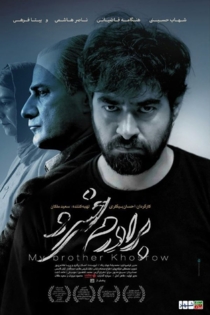
My Brother Khosrow
Ehsan Biglari
Naser Hashemi, Shahab Hosseini
Khosrow (Shahab Hosseini) who is a bi-polar man is forced to live in his brother's house Nasser, as his guardian and sister goes abroad for a while. The brothers soon find themsleves in friction due to the challenging behavior of Khosrow and quesrionable moral decisions by Nasser.
My Brother Khosrow
آخرین داستان
Ashkan Rahgozar
Leila Hatami, Parviz Parastouei
Kingdom of Jamkard, ancient Persia. After defeating the armies of Ahriman, embodiment of evil, King Jamshid, bearer of the light of Divine Power, abandons his people blinded by pride, determined to conquer new lands. Thus, by chance, Zahhaak becomes regent and undertakes the reconstruction of the devastated capital. But then Ahriman, who dwells in the heart of every human being, begins to poison his tormented soul.
The Last Fiction

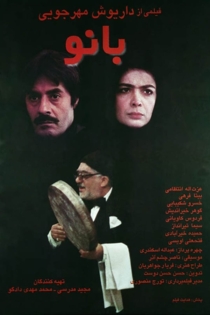
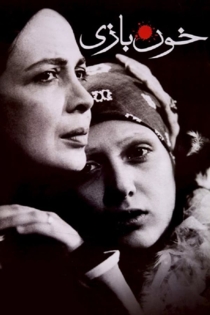
بانو
Dariush Mehrjui
Ezzatolah Entezami, Bita Farrahi
Maryam Banoo, a depressed wealthy woman, finds out that her husband is having an affair with another woman. Her husband leaves the house after Maryam Banoo understands the truth. Maryam feels lonely and, by accident, she finds a poor worker and his pregnant wife who are homeless and need a warm place and some treatments for the wife. Maryam Banoo helps them by inviting them to her house and entertaining them with several kinds of food and drinks. The husband and wife invite some other members of their family to Banoo's house and they start to steal Banoo's expensive furniture and bothering her with their bad behavior. Finally Maryam's husband comes back from the trip and throws the poor people out. He admits that he is sorry about his affair but Maryam doesn't accept it and moves to an unknown place to live in peace. Her husband goes after her.
The Lady
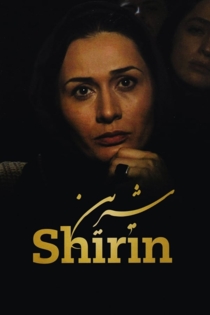
شیرین
Abbas Kiarostami
Tarane Alidousti, Pegah Ahangarani
A hundred and fourteen famous Iranian theater and cinema actresses and a French star: mute spectators at a theatrical representation of Khosrow and Shirin, a Persian poem from the twelfth century, put on stage by Kiarostami. The development of the text -- long a favorite in Persia and the Middle East -- remains invisible to the viewer of the film, the whole story is told by the faces of the women watching the show.
Shirin
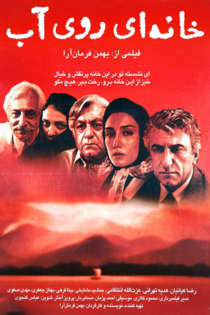
خانه ای روی آب
Bahman Farmanara
Reza Kianian, Hedie Tehrani
Director Bahman Farmanara's second film following a 20-year exile from his native Iran depicts the spiritual crisis of a middle-aged man. In the film's dreamlike opening scene, Dr. Reza Sepidbakht (Reza Kianian), a well-off Tehran gynecologist, thinks he runs over an angel while driving home at night with a call girl. The next morning at the hospital where he works, he is shown a comatose boy who is famous for having memorized the entire Koran. These two events cause him to rethink his cynical outlook on life and his relationships with his elderly father, wayward son, and the women he has mistreated since becoming estranged from his wife. When the boy awakens from his coma, Dr. Sepidbakht begins to look to him for answers.
A House Built on Water
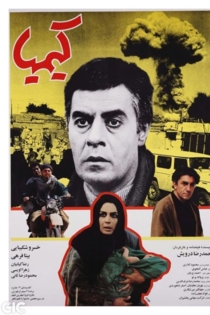
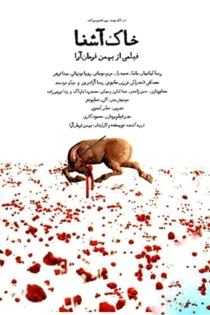
اعتراض
Masud Kimiai
Dariush Arjmand, Mohammad Reza Foroutan
When Amir learns that the woman who is to marry his younger brother Reza is having an affair with another man, he murders her to restore his family's good name. Considering the killing to be a matter of honor, Amir stoically goes to prison for 12 years where his fellow inmates regard him as a hero. But when he is released, he discovers that the Iran he knew has changed.
Protest
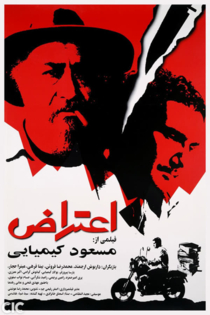
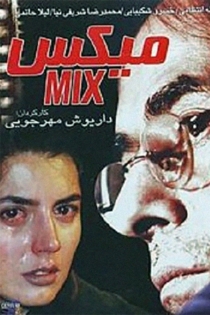
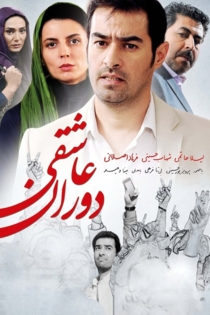
دوران عاشقی
Alireza Raisian
Leila Hatami, Shahab Hosseini
Bita (Hatami), a successful lawyer specializing in championing the cause of women’s rights in divorce cases, is blind to the trouble brewing in her own marriage. A snatch of gossip and a problem client with an unwanted pregnancy unexpectedly bring Bita’s problems home. (Gene Siskel Film Center)
Time to Love