Tamao Nakamura
1939 (86 лет)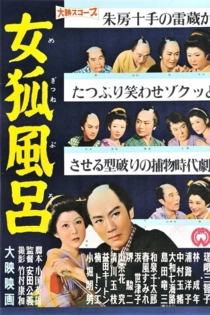

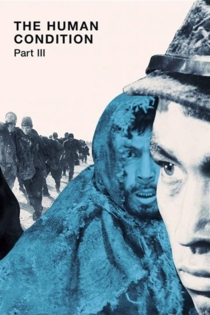
The Human Condition III: A Soldier's Prayer
Masaki Kobayashi
Tatsuya Nakadai, Michiyo Aratama
After the Japanese defeat to the Russians, Kaji leads the last remaining men through Manchuria. Intent on returning to his dear wife and his old life, Kaji faces great odds in a variety of different harrowing circumstances as he and his fellow men sneak behind enemy lines.
The Human Condition III: A Soldier's Prayer
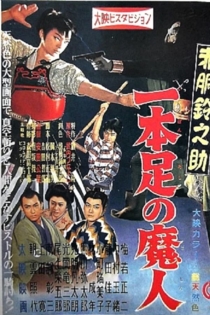
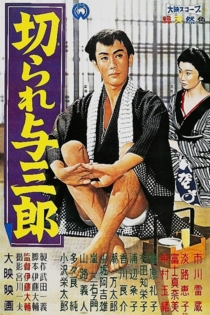
Kirare Yosaburô
Daisuke Itō
Raizō Ichikawa, Tamao Nakamura
The film depicts the scarring of Yosaburo at the hands of yakuza thugs who catch him with mistress of the gang boss. Despite the physical and emotional scars he now carries with him, Yosaburo falls for a young noblewoman. The rest of the film follows the two as they fend off attacks from gangs and the police.
Scarred Yosaburo
新・平家物語
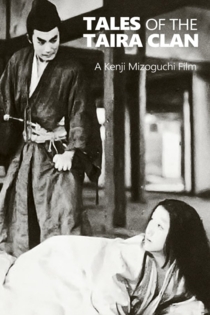
Kenji Mizoguchi
Raizō Ichikawa, Yoshiko Kuga
Special Forces commander Captain Tadamori returns to Kyoto after successfully defeating the uprising of pirates in the western sea of Japan. But because the high courtiers dislike career soldiers gaining power and influence, they ignore the will of ex-Emperor Toba and refuse to reward the captain. Reward recommender Lord Tokinobu is punished, and the captain sends his son Kiyomori to the Lord's residence, where he falls in love with Tokiko, the Lord's daughter. Meanwhile, Kiyomori finds out that he is possibly the ex-Emperor's son... Written by L.H. Wong
Taira Clan Saga

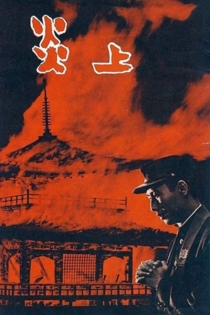
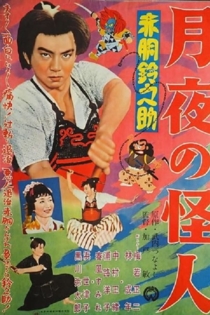
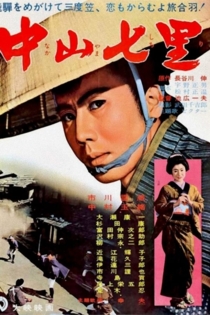
中山七里
Kazuo Ikehiro
Raizō Ichikawa, Tamao Nakamura
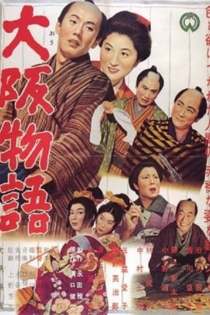
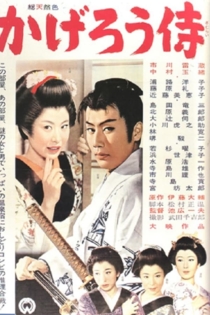
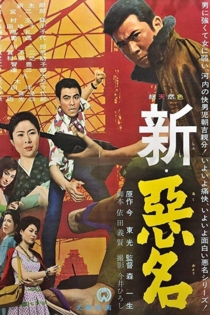
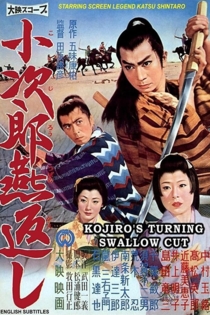
When a corrupt magistrate rapes Oshima, Masa (Raizō Ichikawa) avenges her by killing the officer, becoming thereby a fugitive, haunted and grief-stricken by the fact that Oshima committed suicide. Going underground in the gambling world, perpetually hiding from the law, Masa eventually meets a young woman named Onaka, who looks exactly like Oshima. Tales having two look-alike heroines are a commonplace in Japanese period films, a plot affectation inherited from the kabuki theater. Based on a novel by Shin Hasegawa, Nakayama shichiri was already twice filmed in 1930, one version directed by Namio Ochiai, and from which less than 40 minutes survive, the other directed by Kyotaro Namiki. Both are silent films, preserved by the Makino film institute.
Seven Miles to Nakayama