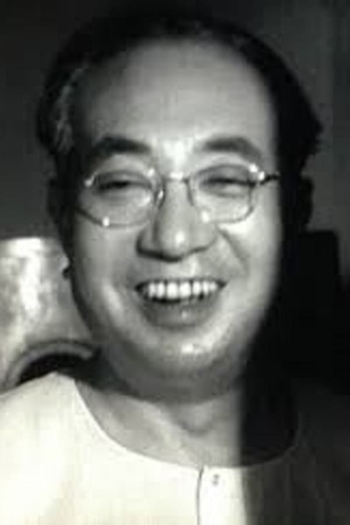
Toshiaki Konoe
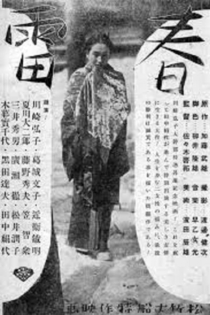
1910 (115 лет)春雷
Keisuke Sasaki
Daijirō Natsukawa, Kōji Mitsui
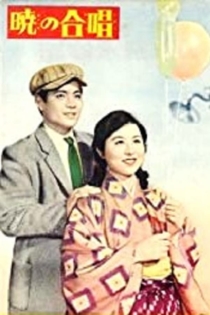
Eiko is an innocent young lady born into a wealthy family with nothing to offer. She was good at singing, and lived her life playing around with her cronies, organizing music concerts and so on. However, things change when her father's business fails and she was suddenly thrown out into the world without any foundation. Eiko has no one to support her after she loses her social status, and her only tutor, Shinnosuke (Natsukawa Daijiro) was the only one who was sincere. Eiko is a stickler for using everything she can get her hands on, and she quickly moves into Shinnosuke's house.
Spring Thunder
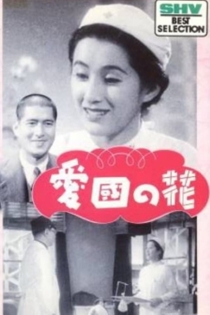

大東亜戦争と国際裁判
Kiyoshi Komori
Kanjūrō Arashi, Minoru Takada
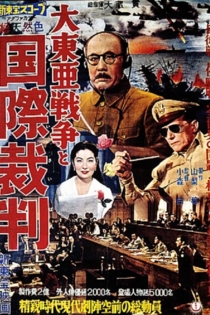
In 1941, overpopulated Japan faces an economic boycott and its armed forces push further to the south. And despite negotiations between Japan and the U. S. A. war is declared with the attack on Pearl Harbour. Victories follow for Japan on land and sea and her forces push forward to the borders of India. But gradually the tide turns in favour of the Allies and after the atom bombings of Hiroshima and Nagasaki, Japan is compelled to accept the Potsdam Declaration and by the order of the Emperor agrees to unconditional surrender. Under the supervision of the occupation forces the International Military Tribunal opens in Tokyo to try the Japanese war leaders. Established in the cause of justice, and to prevent future aggressive wars the trials drag on for two and a half years. And on December 23, 1948, General Tojo and six other war leaders mount the thirteen steps to the gallows at Tokyo's Sugamo prison.
The Pacific War and the International Military Tribunal
歌女おぼえ書
Hiroshi Shimizu
Yaeko Mizutani, Ken Uehara
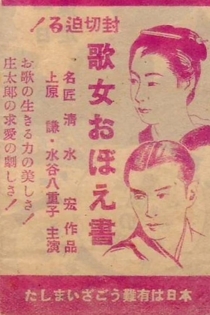
Uta’s mother died when she was six years old; her father she never met. She was forced to adopt a traveller’s life when her grandmother died, and now she is a dancer and part of a family of actors who travel from town to town, setting up street performances. A way of escape from this marginal existence arises when she gets the chance to move to tea merchant Hiramatsu’s place, where she is asked to teach his daughter to dance.
Notes of an Itinerant Performer

按摩と女
Hiroshi Shimizu
Mieko Takamine, Shin Tokudaiji
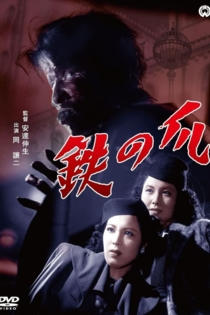
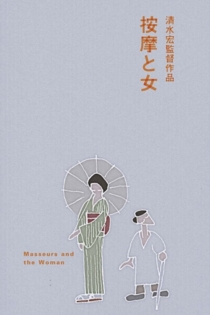
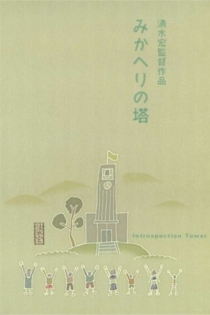
A pair of blind masseurs, an enigmatic city woman, a lonely man and his ill-behaved nephew—The Masseurs and a Woman is made up of crisscrossing miniature studies of love and family at a remote resort in the mountains. With delicate and surprising humor, Hiroshi Shimizu paints a timeless portrait of loneliness and the human need to connect.
The Masseurs and a Woman
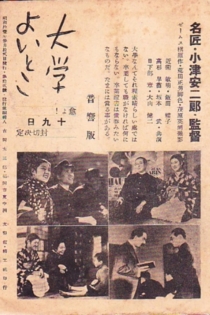
明治大帝と乃木将軍
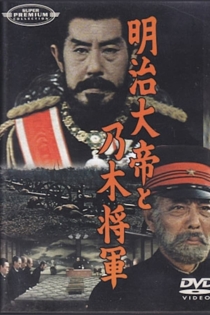
Kiyoshi Komori
Kanjūrō Arashi, Miyuki Takakura
In January 1904, the situation between Japan and Russia had grown tense. The Emperor Meiji is deeply concerned, for Russia has started to build an invincible fortress at Port Arthur, and the relations between two countries have become strained to breaking point. General Nogi has retired to the first reserve and is now a gentleman farmer, but he is prepared for sudden mobilization. Finally, Japan declares war against Russia and Emperor Meiji appoints General Nogi as the commander of the force to attack Port Arthur. However, in spite of several all-out attacks, the fortress is strong and the casualties increase among the Japanese. Because of these reverses, there are loud cries for a change in command. However, the Emperor places his confidence in General Nogi.
Emperor Meiji and General Nogi
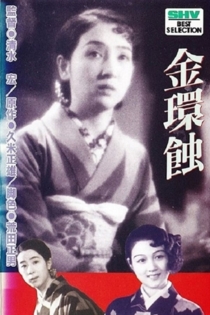
金環蝕
Hiroshi Shimizu
Mitsugu Fujii, Hiroko Kawasaki
The story is centered around the devastating experiences of two villagers, Osaki Shuichi, and his cousin, Nishimiura Kinue, when they leave their hometown for the metropolis of Tokyo. They are in love with each other, but Kinue is expected to marry the lawyer Kanda Seiji. In consequence, Shukichi leaves for Tokyo, where he becomes tutor to the son of the rick Iwaki family. The heartbroken Kinue also makes her way to the capital, where she becomes a bar hostess.
Eclipse