Kyōko Kusajima
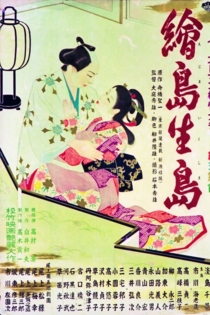
1919 (106 лет)絵島生島
Hideo Oba
Chikage Awashima, Ichikawa Danjūrō XI
This period film is inspired by one of the most notorious scandals to have taken place in Edo-period Japan. The heroine, Ejima, was a lady of the Ooku, the harem of Edo Castle in which the Shogun’s mother, wife and concubines resided, forbidden from contact with any other man except in the presence of the Shogun. The institution played a key role in the Byzantine world of Japanese court politics during the Edo era. In 1714, Lady Ejima was sent to pay her respects at a Buddhist temple in the city, and chose to pay an unauthorised visit to the kabuki theatre – a violation of protocol that was to have tragic consequences.
Ejima and Ikushima
歌麿をめぐる五人の女
Kenji Mizoguchi
Bandō Mitsugorō VIII, Kinuyo Tanaka
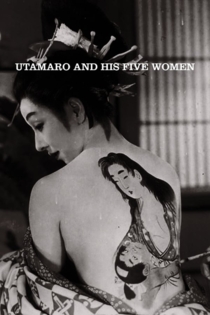
Utamaro, a great artist, lives to create portraits of beautiful women, and the brothels of Tokyo provide his models. A world of passion swirls around him, as the women in his life vie for lovers. And, occasionally, his art gets him into trouble.
Utamaro and His Five Women
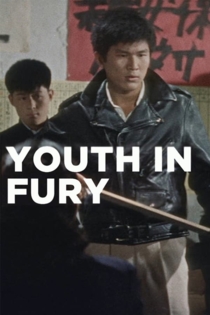
Youth in Fury
Masahiro Shinoda
Shinichirô Mikami, Shima Iwashita
A reckless student contemplates terrorism in a prescient film that confirmed Shinoda as a fearless member of Shochiku’s iconoclastic New Wave. At the height of student protests, Shimojo (Shinichiro Mikami) takes his aggressions to another level, beset by seemingly insoluble feelings of alienation.
Youth in Fury
煉瓦女工
Yasuki Chiba
Ranko Akagi, Etchan
This film focuses on Koreans living in Japan. The filmmaker’s humanism comes across in the portrayal of a girl living in a shabby tenement, the warmth of a Korean girl she meets, and the friendliness of this Korean girl’s family.
The Brick Factory Girl