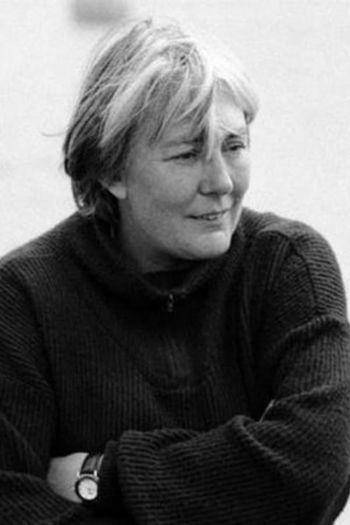
Sophie Tatischeff
1946 - 2001Born in Neuilly-sur-Seine, Tatischeff was the daughter of Jacques Tati and began her career as assistant editor on her father's film Play Time (1967). She also edited Trafic (1971) and Parade (1974).
After Tati's death she produced a colour version of his 1949 feature Jour de fête using previously unusable colour film elements shot simultaneously with the monochrome stock. In 2001 she also re-constructed his 1978 short film Forza Bastia.
Tatischeff died in Paris from lung cancer in 2001. Tati wrote a screenplay for her in 1956, which appeared as the 2010 film The Illusionist.
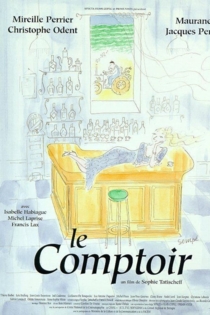
Le comptoir
Sophie Tatischeff
Mireille Perrier, Maurane
A bistro counter will decide the fate of two women. The first, Marie, the owner of a cafe for forty years in a Breton village, wants to realize her dream and go to the city. The second, Joelle, wants to leave town for the countryside.
Marie's Counter
Dégustation Maison
Sophie Tatischeff
Dominique Lavanant, Gilberte Géniat
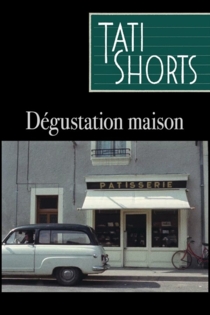
Sophie Tatischeff's short film set in the small town of Sainte-Sévère-sur-Indre, three decades after its use in her father's film 'Jour de Fête'. The conversation from a typical village bar is transplanted to a patisserie with particularly tempting tartlets: 'No reason for us not to have another' says one habitué; 'no more for me thanks,' says another. 'A shortbread at this time of day?' asks the woman behind the counter.
House Specialty
Forza Bastia
Jacques Tati, Sophie Tatischeff
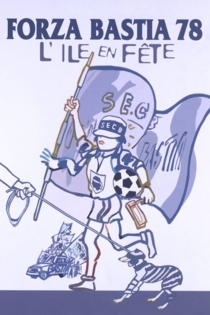
"Forza Bastia" is a 26-minute film documenting a UEFA Cup match between PSV Eindhoven and French club SC Bastia at the Furiani Stadium in 1978. Jacques Tati directed the piece at the request of friend Gilberto Trigano – the President of the Bastia club at that time. It was subsequently shelved and kept in storage until Tati's daughter Sophie Tatischeff eventually assembled the footage for release in 2002.
Forza Bastia
Tati sur les pas de Mr Hulot...
Sophie Tatischeff
Jacques Tati
Two-part documentary about French director Jacques Tati chronicles the evolution of the filmmaker's alter ego, Monsieur Hulot, through archival interviews, on-set footage, photos, and film clips.
In the Footsteps of Monsieur Hulot