
Birgit Hein
1942 (83 года)Materialfilme
Birgit Hein, Wilhelm Hein
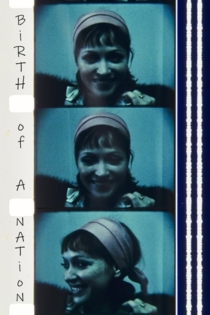
For their 35mm Materialfilme (1976), the Heins randomly spliced together a mix of colour and black and white material taken from the header and footer of commercial films. The scratches, scribbles, hand-written and commercially printed numbers and dots that adorn such footage rush past the eye until they are replaced by images consisting only of washed-out colours or scratched black and white frames.
Materialfilme
Rohfilm
Birgit Hein, Wilhelm Hein
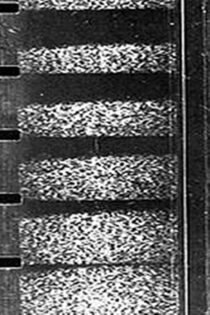
One of the most important structural films of the period, Rohfilm demonstrates a radical anti-representational approach, destroying the figurative image and bringing attention back to the ‘raw’ photographic material, particularly its physical form. Resisting a stable reference point, the film is a multi-layered onslaught of blurred impressions, shifting surfaces and grating sounds that activates a form of sensuous viewing. In the making of the film, the Heins employed just about every technique of defamiliarization, including direct intervention on the surface of the film strip, rephotography, remediation, and different kinds of mechanical interruption and destruction. It is a striking example of a truly handmade approach. (Kim Knowles)
Raw Film
Die unheimlichen Frauen
Birgit Hein
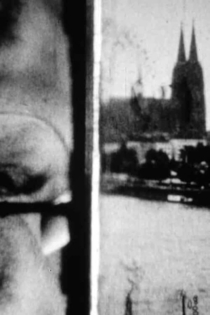
"Since the beginning of history women have also been perpetrators. They have been as courageous and brave as men. They can be equally brutal and criminal and of course just as horny. Nevertheless, to this day, there exists the feminine ideal of "non-aggressiveness – peacefulness – asexuality“ with which women have been surpessed for centuries. This film shows women as soldiers, partisans, watchmen, criminals, as well as child-bearing, drunk, masturbating strong femals but also as circumsized, dismembered victims, who must pay for the fear that women cause within men. Scenes from old and recent documentaries, from trivial films and my own stagend sequences are mounted to a collage of images.These are sup-plemented by a collage of sounds and a montage of quotes and my own texts. It’s also about me about my fears and my fighting to be able to live my own strength."
Die unheimlichen Frauen
Porträts
Birgit Hein, Wilhelm Hein
The series of portrait films that the Heins made between 1970-73 attest to their deepening interest in the movement generated solely through cinematic processes of reproduction. [...] Portraits (1970) is a collection of three of these films, Manson, Biggs, and Wilhelm Hein, that each underwent distinct processes of development so as to highlight different perceptual and aesthetic effects.
Portraits
Love Stinks
Birgit Hein, Wilhelm Hein
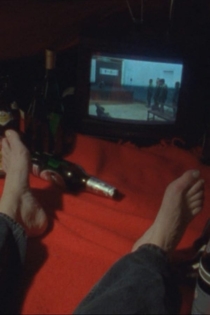
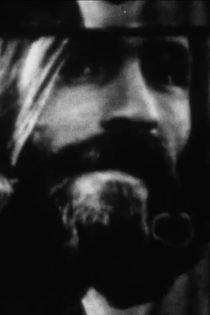
For nine months German filmmakers and performance artists, Birgit and Wilhelm Hein lived in New York. LOVE STINKS is a very personal, deeply disturbing and often shocking record of their visit. "For many people it will perhaps be depressing at first sight, but it was created from a tremendous strength"
Love Stinks
Reproductions
Birgit Hein, Wilhelm Hein
Reproductions, for instance, completed in relative speed after the lengthy process of making Rohfilm, explores the aesthetic and perceptual effects of the reproduction of just a single type of image: strips of black and white slide positives from the Heins' vacations in North Africa, Italy, and greece in the early 1960s. To make the film, the Heins cut these numerous small images into little strips which they manipulated by hand on a Movieola viewing machine. While one of them maneuvered the strips (inserted them into the machine and moved them in different directions), the other filmed the projected image as it appeared on the machine's small screen. They described the effect of this process as follows: "While filming the many different little strips (hundreds of them) a rhythm is gradually established: quick and slow changes, pauses, a stronger movement of the pieces and a slow insertion, their sudden appearance.
Reproductions
Verbotene Bilder
Birgit Hein, Wilhelm Hein
Wilhelm Hein, Birgit Hein
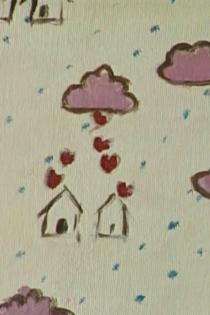
A room above the slaughterhouse. While the animals are beeing butchered below, upstairs an adult is playing out scenes of early puberty. The woman in the room of the slaughterhouse cuts off all his hair. Aloud the man reads a story of the unrestrained Scheherazade. The children cheerfully cook the dog’s carcass and the adults resolutety expose their private parts... „Memories and dreams, which were banned in the cinema until now and which have magically freed themselves from the chains of the prohibitions and the realms of the taboos.“ (D. Kuhlbrodt)
Forbidden Images
Structural Studies
Birgit Hein, Wilhelm Hein
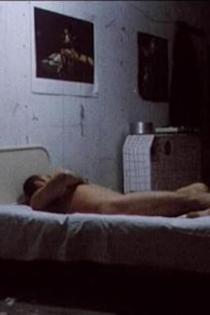
The film includes sections which explore the illusion of movement within the frame, the movement created by the filming and projection equipment, of movement suggested by camera manipulation (e.g. zoom, re-focus, etc.). Structural Studies exemplified the Hein’s central project of elaborating the central process of the cinema, situating those processes equally in terms of artistic production and mechanical reproduction.
Structural Studies
Kriegsbilder
Birgit Hein
"This film is a found footage montage of war coverage since World War II. The clips are taken from television documentaries from Arte to CNN. The images show aestheticized fireworks from Dresden to Bagdad, where people only appear as shadows. The sound is also a collage with Liszt's 'Prelude' as the pathetic announcement of the nazi news to the fanfare of the CNN. Only in the last sequences death becomes real. The images of operational missions comes from amateur videos of the American soldiers who have posted them on the net, accompanied by rock music." - Birgit Hein.
Images of War