
Dorothea Thiess
1898 - 1973Liebesleute
Erich Waschneck
Renate Müller, Gustav Fröhlich
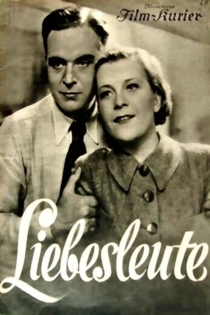
Baron von Goret is an impoverished landowner, whose estate is about to go into receivership. And so, for that reason, he wishes to marry off his son Hermann with his well-off girlfriend Helga. But Hermann is in love with the farmer’s daughter Dorothea. He leaves his father’s estate with her and makes his way to Berlin to make a name for himself. He’s not successful in this and, so as not to stand in his way, Dorothea leaves him. Hermann’s aunt brings him back to his father’s estate, where, depressed over losing Dorothea, works tirelessly to clear the estate of all its debts.
Liebesleute
Anna und Elisabeth
Frank Wisbar
Dorothea Wieck, Hertha Thiele
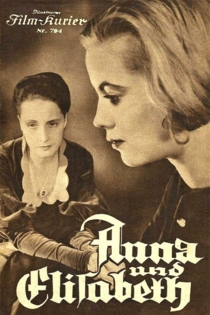
The two main people in the story are Anna, a young girl, who is thought of having the ability to heal people mysteriously. Elisabeth is a young - middle aged aristocratic woman, that is disabled and puts all her hopes in meeting Anna and having her disability heal by her. A strange ambivalent relationship develops between the two women.
Anna and Elizabeth

Frau Kutzer und andere Bewohner der Naunynstraße
Friedrich Zimmermann
Dorothea Thiess, Claus Theo Gärtner
Frau Kutzer und andere Bewohner der Naunystraße features the war-widow Frau Kutzer, the philosopher-guest worker Niyazi, as well as other characters passing through the street. The street itself bears silent witness to the deferred good life of the laborer. If Germany is “a little America,” as the narrator tells us, could there have been a “German Dream” for the migrant worker? Or is Berlin-Kreuzberg rather the site of an ongoing nightmare filled with the specters of Germany’s past? How do stories of place and of people converge on Naunystrasse? And how does this documentary speak to us today?
Frau Kutzer und andere Bewohner der Naunynstraße