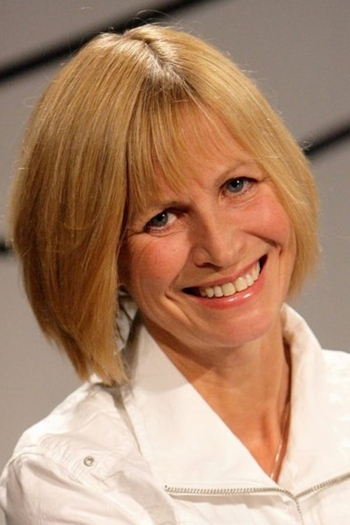
Jitka Molavcová
1950 (75 лет)
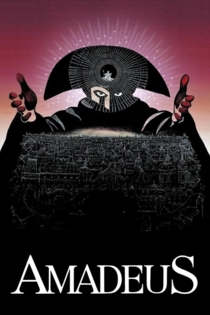
Amadeus
Miloš Forman
F. Murray Abraham, Tom Hulce
Wolfgang Amadeus Mozart is a remarkably talented young Viennese composer who unwittingly finds a fierce rival in the disciplined and determined Antonio Salieri. Resenting Mozart for both his hedonistic lifestyle and his undeniable talent, the highly religious Salieri is gradually consumed by his jealousy and becomes obsessed with Mozart's downfall, leading to a devious scheme that has dire consequences for both men.
Amadeus
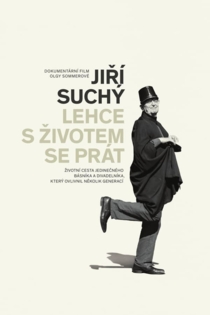
Jiří Suchý – Lehce s životem se prát
Olga Sommerová
Jiří Suchý, Jitka Molavcová
Theatre personality, musician, poet, writer, graphic artist, collector, self-professed clown, eternally young in spirit – all this is Jiří Suchý, one of the key figures of the domestic cultural scene over the last six decades. He has put on 97 plays at the Semafor theatre and has written the lyrics for 1,400 songs and the music for 500. Today, in an era beset by an onslaught of images that are often of questionable worth, this legendary figure’s tireless efforts to enrich the Czech language and its poetic nuances have been of inestimable value. Olga Sommerová lays before us Suchý’s prolific creative and civic journey through life with the subtle distinctiveness we have come to expect; she also demonstrates her singular flair for capturing exceptional moments.
Jiří Suchý - Tackling Life with Ease
The Last Butterfly
Karel Kachyňa
Tom Courtenay, Brigitte Fossey
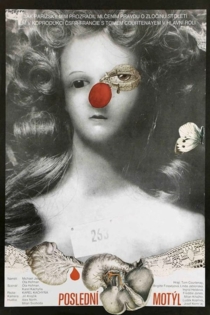
Stage mime Antoine Moreau is compelled by the Gestapo to put on a performance for the children of Terezin, a "model" concentration camp, to convince the Red Cross observers that the camp is truly what it seems. Reluctant at first, Moreau slowly learns the true nature of the camp, including the meaning of the "transports" on which people leave. With a world-class orchestra (made up of people interned in the camp) and a cast of children, Moreau stages a show to end all shows.
The Last Butterfly
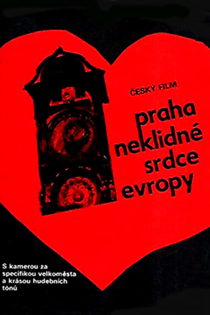
Praha – neklidné srdce Evropy
Věra Chytilová
Miloš Kopecký, Viktor Preiss
This distinctive documentary portrait of Prague extolls the beauty, significance and spirit of the ancient city adopting modern way of life. The form and content of the film share a common underlining principle. The author doesn't simply list out the sequence of events, but rather approaches them in a broader context of their historic implications and circumstances. The content of the film covers a large period from the pagan times to these days. The facts are grouped under several general headings (paganry, the spread of Christianity, renaissance, baroq and modern times) with allusions to the modern life of Prague and Praguers that has its roots in those times.
Prague – The Restless Heart of Europe