Lothar Lambert
1944 (81 год)
Ein Schuß Sehnsucht - Sein Kampf
Lothar Lambert
Lothar Lambert, Christine Oberländer
A simple tax collector suffers from a deep depression. He flies from his dominant mother to a dangerous company in violent left-wing circles. And discovers a cure for his impotence.
A Touch of Longing: His Fight

Und Gott erschuf das Makeup
Lothar Lambert
Manfred, who is fascinated by his mother's underwear, becomes the latest addition to Dr Prinz's therapeutic flat-share for transvestites and sexual 'deviants'. During his inspection visits, to prove solidarity with his patients, Dr Prinz himself happily cross-dresses and applies abundant make-up.
And God Created Make-Up

Verdammt in alle Eitelkeit
Lothar Lambert
Carl Andersen, Eva Ebner
Anyone who is keen to capture Berlin’s most original characters on film is bound to end up at Sylvia Heidemann’s door. Sylvia has saved up every penny of her reparation money to appear just once in her life on the silver screen like Greta Garbo. It just so happens that the Viennese filmmaker Andersch and Madame Heidemann are staying at the same hotel and it’s not long before the two strike a bargain.
From Here to Vanity
Alle meine Stehaufmädchen - Von Frauen, die sich was trauen
Lothar Lambert
In his film, Lothar Lambert has chosen to portray eleven women over forty in Berlin, interweaving accounts of their experiences, their current lives and their expectations for the future. The line-up includes a number of well-known Berliners such as Irene Schweitzer, who runs the shop “Kaufhaus Schrill” in Bleibtreustrasse, photographer Erika Rabau and painter Evelyn Sommerhoff. The women talk about their chaotic family backgrounds, dramatic twists and turns, courageous decisions, failed relationships, breakdowns and new beginnings, as well as the art of gritting your teeth in spite of all of life’s blows. In no uncertain terms the women tell the filmmaker how they came to be the people they are; they also chat unabashedly about their sexual antics and reflect en passant on the social climate in Germany.
All My Tumbler Girls, or All About Women Who Dare to...

Die Wolfsbraut
Dagmar Beiersdorf
Imke Barnstedt, Martine Felton
The story of a short but intense friendship between two very different women in Berlin. Mascha, in her mid-30’s, worked as a television editor for years before dropping out to make two self-financed and unexpectedly successful theatrical films. At the moment, she is taking a break – she’s run out of ideas. Her plight is made worse by her boyfriend Frank’s unsympathetic attitude. He is a head of production, from a working class background, an unscrupulous career man, and won’t tolerate an unsuccessful woman around him. In the midst of this exasperating mess, Mascha meets the ‘’wolf girl’’, Dennis, a young black rebel who works as a cleaner in a theater. The girl fascinates Mascha and she finally breaks her long, loveless relationship with frank so she can spend more time with Dennis. The two women move in together: Mascha because she wants to turn the simple ‘’wild’’ Dennis into a more sedate person, and Dennis because she has secret hopes of finding human warmth and shelter.
Wolfgirl
Ich bin, Gott sei Dank, beim Film!
Lothar Lambert
Eva Ebner, Michael Sittner
Eva Ebner is a Berliner who gives the appearance of being rather eccentric. She knows the film business inside out – regardless of whether she’s work- ing behind the camera as an assistant director or in front of it as an actor. Her name is closely associated with a series of now-legendary adaptations of Edgar Wallace’s crime novels which were made in Germany during the 1960s. Upcoming young directors from local film schools have also profited from Ms. Ebner’s unbroken enthusiasm and passion for film. However, this eighty-year-old has a more than broken relationship to the events of her childhood and youth in Gdansk – a time when her life was characterised by an anti-Semitic step-mother and the dangers posed by the Nazi regime. This film portrait does not eschew any of the long dark shadows of that era, nor does it sidestep any friction between portrayer and his subject. (Lothar Lambert)
Thank God I’m in the Film Business!
The Nightmare Woman
Lothar Lambert
Ulrike Schirm, Dagmar Beiersdorf
A Berlin woman in her early thirties is trying to handle her psychological problems and childhood trauma with the help of her psychiatrist. She is ashamed and overwhelmed by her masochistic sex fantasies.
The Nightmare Woman

Paso Doble
Lothar Lambert
Albert Heins, Ulrike Schirm
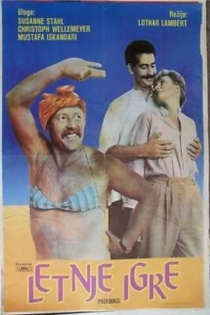
The outrageous and popular underground filmmaker Lothar Lambert has been called the "poor man's Fassbinder" (or Berlin's Andy Warhol) for films like Fucking City that go beyond and beneath the melodrama to the gutter side of family life. With Paso Doble, Lambert graduates from the "no budget" to the low budget commercial film. But he maintains his wacky comi-pathos in a relatively straight narrative about a middle class couple who, after managing to ruin an idyllic vacation in Spain, embark on an extravaganza of sordid love affairs. Their teenage kids watch with raised eyebrows as Mom and Pop--played by underground stars Ulrike S. and Albert Heins--poignantly grope their way back to each other.
Paso Doble
1 Berlin-Harlem
Lothar Lambert, Wolfram Zobus
Ortrud Beginnen, Ingrid Caven
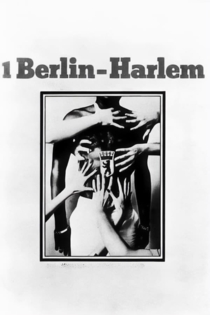
An African-American GI retires from the US Army in West Berlin to live with his (white) girlfriend, who already has a baby with another black man. After an argument with her family, she deserts him as well. Despite finding a job and a new place to live, he keeps running into racism, which also manifests itself in sexual intimidation.
1 Berlin-Harlem