Vilma Jamnická
1906 - 2008
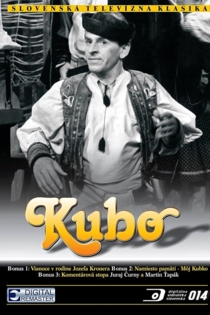
Jánošík
Paľo Bielik
František Kuchta, Ctibor Filčík
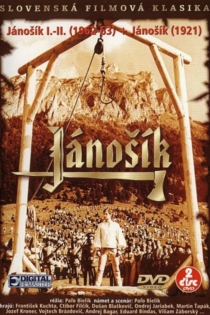
This film is one of the most popular pictures of Slovak cinema and relates the story about the legendary folk hero and brigand Juro Jánošík [1688-1713] and the social situation in Slovakia of the late 17th and early 18th centuries. The first part talks about Jánošík's childhood, studies and return to his native village. In the second part Jánošík leaves for the hills, where he organizes his band of brigands and starts an anti-feudal resistance. The film concludes with Jánošík's execution.
Jánošík
Kapitán Dabač
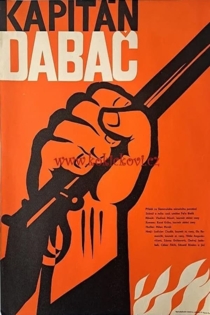
Paľo Bielik
Ladislav Chudík, Elo Romančík
Капитан Дабач служил в словацких частях гитлеровской армии, видел зверства и бессмысленную жестокость фашистов. Он всегда бездумно подчинялся приказам. Но однажды он не выполнил приказа и отказался расстреливать беззащитное население маленькой украинской деревни. Его судили, приговорили к расстрелу. Дабачу удалось бежать, и он примкнул к партизанам. В дни национального восстания против оккупантов Дабач был одним из его активных участников.
Kapitán Dabač
Lepšie byť bohatý a zdravý ako chudobný a chorý
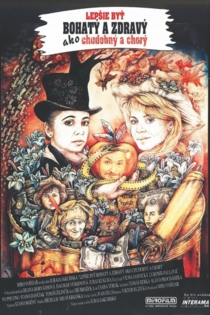
Juraj Jakubisko
Deana Horváthová, Dagmar Veškrnová-Havlová
A satiric tragi-comedy about two women and their lover Robert who is an emigrant that keeps coming back. This film shows chaotic post-communist Europe after the fall of totalitarianism. Two opposite characters, women, meet during the Velvet Revolution in November 1989. Intellectual dissident Nona and a Communist secret police boss’ mistress Ester. They meet at an anti-regime demonstration and become friends. They don’t want anything to do with politics, both want to get married and have kids, but also get rich. Crazy plans and risky attempts to realize their shared dreams land them in many sticky situations in the post-revolution chaos. Too much money gets in the way of the power of friendship.
It's Better to Be Healthy and Wealthy than Poor and Sick
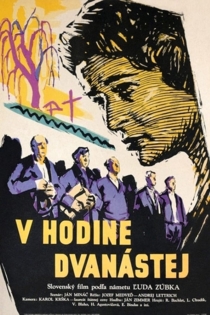
V hodine dvanástej
Jozef Medveď, Andrej Lettrich
Rudolf Bachlet, Naďa Hejná
Действие происходит во время национального восстания 1944 года. В словацком селе погибли два немецких солдата. Командир немецкой части (Ладислав Худик) объявил, что за каждого убитого солдата будут расстреляны пять заложников. И не меняет своего решения, когда становится известно, что солдаты погибли из-за несчастного случая. Но крестьяне не ждут покорно своей судьбы - они берутся за оружие...
V hodine dvanástej
Drevená dedina
Andrej Lettrich
Samuel Adamčík, Andrej Bagar
Slovak movie is based on the novel by the prominent representative of Slovak prose František Hečka, who was in 1952 awarded the State Prize. The novel and the movie successfully capture the development of Slovak village after the liberation in 1945. The narrative is centred around the characters of the old Púplava, who after the liberation begins to organise a new village life, and his struggle for the construction of settlements Mrzáčky, burnt by the fascists. It is centred around the conflict, greatly reflecting the situation of the countryside at this time: the conflict between the rural poor and the rural rich. In the movie, a rich personal and emotional life of other heroes pulsate besides the main storyline. The movie ends with the final defeat of the reactionary forces by Communists in February 1948, taking over all power in the state of workers and peasants. - "The Wooden Village" is released in celebration of the 7th anniversary of the Communist February Victory.
The Wooden Village