Machiko Kitagawa
2021Mitsuyu-sen
Toshio Sugie
Toshirō Mifune, Asami Kuji
A narcotics investigator for the harbor police, Eiichi Tsuda, is driven by thoughts of vengeance for the overdose death of his brother and the subsequent decline and death of their mother. Tsuda acts viciously and with disdain for legal niceties in his exploration of the criminal facts behind the explosion of a freighter in the harbor. He goes undercover with a band of drug smugglers, but his methods threaten to destroy him as well as his case.
The Black Fury
When a Woman Ascends the Stairs
Mikio Naruse
Hideko Takamine, Masayuki Mori
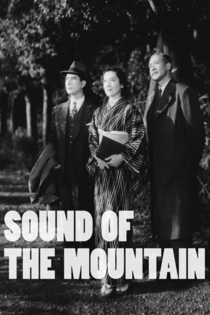
Keiko, whom everyone calls Mama, narrates her story: she's a hostess on the Ginza, 30, a widow. She describes life's vicious cycle: acting cheerful around drunks, dressing and living well to convey confidence, needing money for these expenses and for her demanding mother and brother, and knowing she's growing older. She's of an age when she must choose: to seek marriage (difficult given her tarnished occupation), to be a kept woman, or to borrow money to buy a bar of her own. Each route has dangers, including investors demanding a return on their loans. Keiko has a quiet dignity that attracts men, but are they what they seem? Does she actually have choices?
When a Woman Ascends the Stairs

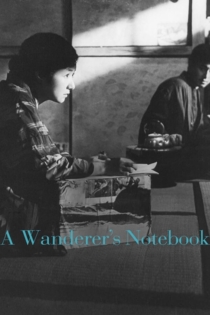
A Wanderer's Notebook
Mikio Naruse
Hideko Takamine, Akira Takarada
Considered one of the finest late Naruses and a model of film biography, A Wanderer’s Notebook features remarkable performances by Hideko Takamine – Phillip Lopate calls it “probably her greatest performance” – and Kinuyo Tanaka as mother and daughter living from hand to mouth in Twenties Tokyo. Based on the life and career of Fumiko Hayashi, the novelist whose work Naruse adapted to the screen several times, A Wanderer’s Notebook traces her bitter struggle for literary recognition in the first half of the twentieth century – her affairs with feckless men, the jobs she took to survive (peddler, waitress, bar maid), and her arduous, often humiliating attempts to get published in a male-dominated culture.
A Wanderer's Notebook
47 Ronin
Hiroshi Inagaki
Toshirō Mifune, Takashi Shimura
The story tells of a group of samurai who were left leaderless (becoming ronin) after their daimyo (feudal lord) was forced to commit seppuku (ritual suicide) for assaulting a court official named Kira Yoshinaka, whose title was Kōzuke no suke. The ronin avenged their master's honor after patiently waiting and planning for over a year to kill Kira. In turn, the ronin were themselves forced to commit seppuku for committing the crime of murder.
47 Ronin

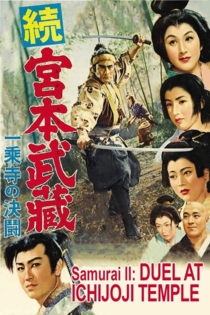
Samurai II: Duel at Ichijoji Temple
Hiroshi Inagaki
Toshirō Mifune, Koji Tsuruta
After years on the road establishing his reputation as Japan's greatest fencer, Takezo returns to Kyoto. Otsu waits for him, yet he has come not for her but to challenge the leader of the region's finest school of fencing. To prove his valor and skill, he walks deliberately into ambushes set up by the school's followers. While Otsu waits, Akemi also seeks him, expressing her desires directly. Meanwhile, Takezo is observed by Sasaki Kojiro, a brilliant young fighter, confident he can dethrone Takezo. After leaving Kyoto in triumph, Takezo declares his love for Otsu, but in a way that dishonors her and shames him. Once again, he leaves alone.
Samurai II: Duel at Ichijoji Temple