Mary Helena Clark
2021
The Dragon Is the Frame
Mary Helena Clark
Diaristic but also generously expansive, Mary-Helena Clark's disarmingly raw and beautiful The Dragon is the Frame proceeds like an experimental detective film, exploring the enigma of depression in its subtle interplay between presence and absence.
The Dragon Is the Frame
Delphi Falls
Mary Helena Clark
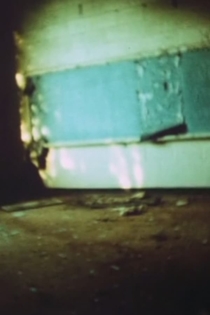
By testing the limits of identification with the camera’s point of view, Delphi Falls cycles through multiple subjectivities. The film misuses more traditional narrative conventions - the suggestion of a story, the anchoring of actors as protagonists - to have the viewer constantly questioning who or what they are, and where they are located in the film’s world.
Delphi Falls
The Glass Note
Mary Helena Clark
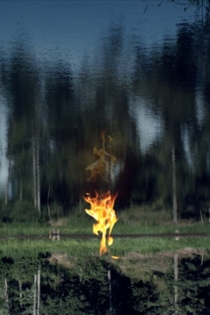
In this elliptical audiovisual diary, cinema’s extrasensory capacity is given surprising form. Here, what we see (the human throat, Gothic statuary, digitally generated furniture) often contradicts what we hear (birdsong, tightly wound rope, lithophonic stones), but the combined effect speaks to a utopian and universal ideal of filmic language.
The Glass Note
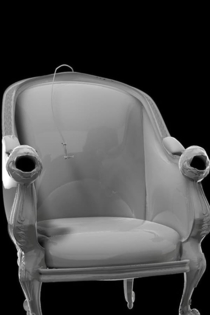
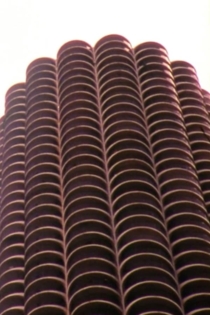
Figure Minus Fact
Mary Helena Clark
In day-for-night blue and hunting camera night vision, darkness is replicated and punctured. Looking finds bodies in the dark, at the threshold of intimacy and trespass. Objects, surfaces, spaces become evidentiary and deceptive in a subjectless portrait of mourning.
Figure Minus Fact
And the Sun Flowers
Mary Helena Clark
“Henry James had his figure in the carpet, Da Vinci found faces on the wall. Within this Baltimore wallpaper: a floral forest of hidden depth and concealment, the hues and fragrance of another era. Surface decoration holds permeable planes, inner passages. There emerges a hypnotic empyrean flower, a solar fossil a speaking anemone, of paper, of human muscle, of unknown origin, delivering an unreasonable message of rare tranquility.” – Mark McElhatten
And the Sun Flowers