Lilian Harvey
1906 - 1968
The Love Waltz
Wilhelm Thiele
Lilian Harvey, Georg Alexander
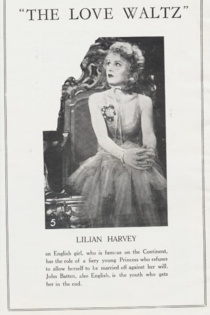
Originally Liebeswalzer, this German operetta was the third talkie vehicle for the effervescent Lillian Harvey. The plot is a typical Graustarkian affair, with Princess Eva (Harvey) preparing to marry a duke whom she's never met. Getting cold feet, the duke ducks the wedding, persuading a handsome young commoner named Bobby (Willy Fritsch) to take his place. The wedding goes on as planned, with Eva never suspecting that her new hubby is a ringer. Eventually, the false duke confesses everything, leading to all sorts of intrigue before a happy ending can be realized. Love Waltz was simultaneously filmed in an English-language version, which posed no problem for the British-born Harvey but caused a few uncomfortable moments for her Teutonic co-stars (eventually, Willy Fritsch was replaced by John Batton, who'd played a bit role in the German version).
The Love Waltz
The Temporary Widow
Gustav Ucicky
Lilian Harvey, Laurence Olivier
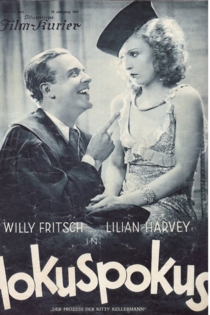
Kitty Kellermann is put on trial for murdering her husband, a failed painter. When her counsel resigns from his mandate, the mysterious Peter Bille steps in, though it becomes apparent that he actually is not an advocate but Kitty's lover and moreover confesses the murder. The widow has to admit that the pictures by her deceased spouse sell much better, only for him to suddenly appear alive.
The Temporary Widow

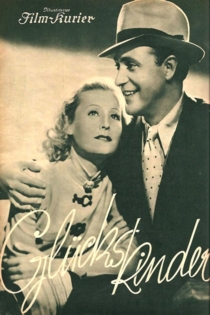
Glückskinder
Paul Martin
Willy Fritsch, Lilian Harvey
After completing work on the British musical Invitation to the Waltz, Lillian Harvey returned to her adopted country of Germany to star in the comedy-with-music Glueckskinder (Children of Fortune). Harvey plays Ann Garden, an unemployed actress who ends up in night court on a loitering charge. Here she meets Gil Taylor (Willy Fritsch), a struggling songwriter temporarily employed as a court reporter. Hoping to keep her out of jail, Gil impulsively tells the judge that he's engaged to Ann -- whereupon the judge, equally impulsively, marries the couple on the spot! After this inauspicious start, Ann and Gil embark upon a rocky (but tuneful) whirlwind romance.
Lucky Kids
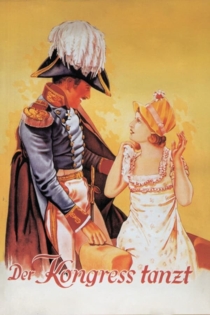
Der Kongress tanzt
Erik Charell
Lilian Harvey, Willy Fritsch
Vienna glove-sales-lady Christel falls in love with Russian Czar Alexander. Austrian Prince Metternich tries to use this and other pleasant diversions to keep him out of the negotiation conferences of the 1815 Vienna Congress.
The Congress Dances
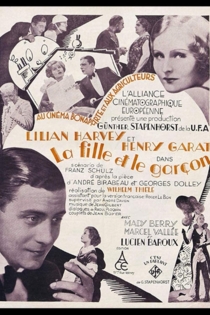
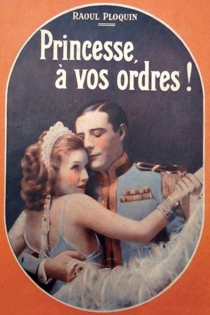
Princesse, à vos ordres!
Max de Vaucorbeil, Hanns Schwarz
Lilian Harvey, Henri Garat
Simultaneously made French version of "Ihre Hoheit Befiehlt": An officer, posing as a deli clerk, and a princess, posing as a manicurist, meet at a ball. The court especially the prime minister oppose a marriage, for political reasons.
Princess, At Your Orders!
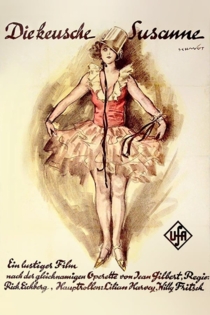
Die keusche Susanne
Richard Eichberg
Ruth Weyher, Willy Fritsch
Naughty Susanne leads an exciting double life between her hometown and Paris: in the provincial nest she is considered the ever virtuous and down to earth girl, while in the cosmopolitan city she always escapes to, she is the queen of the night, sophisticated and seductive. In Paris, she meets René and begins to recruit him, but she has a noble competitor: Jacqueline. A spirited love triangle begins, complicated by the interventions of uncomprehending moral preachers. Their befitting final finds the story in the Moulin Rouge.
The Chaste Susanne
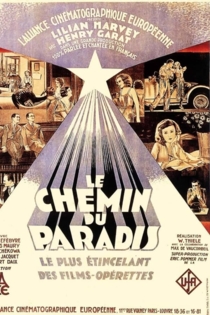
Le Chemin du paradis
Wilhelm Thiele, Max de Vaucorbeil
Lilian Harvey, Henri Garat
Willy, Kurt and Hans are broke, so they sell their car and open a filling station. Then they all fall in love for the same girl. Simultaneously filmed French version of the German musical, Die Drei Von Der Tankstelle.
The Road to Paradise
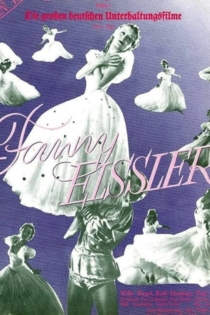
Fanny Elßler
Paul Martin
Lilian Harvey, Willy Birgel
Prince Klemens von Metternich orders Friedrich Gentz, one of his aides, to keep the Duke of Reichstadt---Napoleon Francois Joseph Charles---son of Napoleon and heir to the French throne, from thinking about French politics. Gentz enlists the help of ballerina Fanny Elsser, all the rage in several European capitals, to keep the Duke distracted.
Fanny Elssler