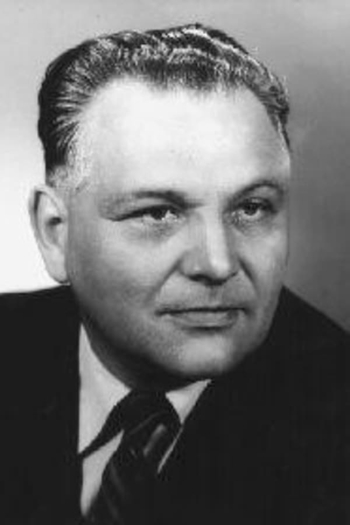
Jaroslav Zrotal
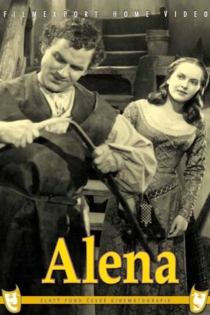
1909 - 1969Alena
Miroslav Cikán
Vladimír Řepa, Miluše Zoubková
Master armourer Tomás has young wife Alena, of whom he is very jealous. One day the ruler of town sees Alena and decides to win her over for himself. To get a free hand for his love affairs, he sends Master Tomás to acquire more skills in Flanders. Jealous husband does not know how to secure fidelity of his beautiful wife while he is away, and finally accepts aid of the devil, to whom he signs his soul as a reward. Devil in the disguise of Master Ondrej works in Tomás's workshop and protects Alena against various courtiers and the ruler of town. But finally he falls in love with Alena himself and becomes her lover.
Alena
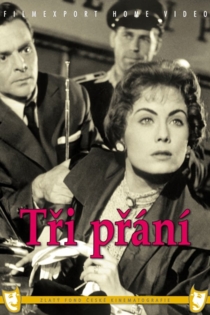
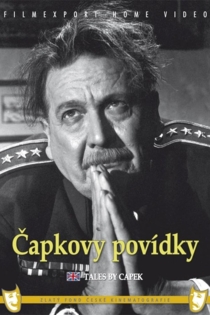
Postava k podpírání
Pavel Juráček, Jan Schmidt
Karel Vašíček, Consuela Morávková
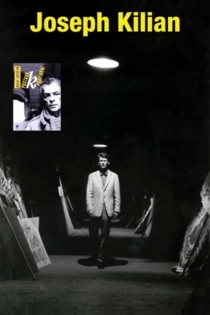
The story is about Harold, an isolated figure in an overwhelming world of totalitarian bureaucracy. Harold tries to find the elusive Joseph Kilian, an old acquaintance, in Prague. When Harold stumbles across a state-run cat-lending store, he impulsively rents a feline for the day. Later, he attempts to return the cat and finds that the store no longer exists. Now with a furry companion, Harold continues his search for Kilian. Written and directed by Pavel Juracek, this 40 minute film effectively aims its allegorical shots at personality cults and the absurdities of a totalitarian regime.
Joseph Kilian
Máte doma lva?
Pavel Hobl
Vladimír Očenášek, Josef Filip
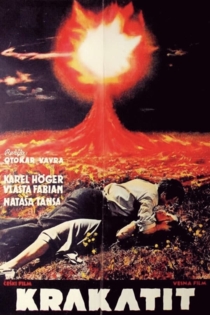
“And what did you do at school today?” In Pavel Hobl’s Czech fairytale, when Pepik and Honzik learn that school has been canceled they embark on an amazing odyssey around Prague that has them directing traffic, following the lead of a talking dog, breaking the spell an evil sorcerer has placed on a group of local musicians, rollerskating through a museum, and winning a magical car race. (University of Chicago Doc Films)
Do You Keep a Lion at Home?

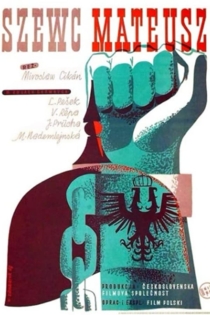
Mlhy na blatech
František Čáp
Zdeněk Štěpánek, Marie Blažková
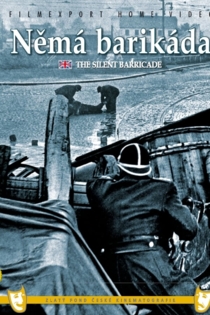
Mist on the Moors examines fates of just about a few people. Their stories are outlined in a short space of time and are a symbolic representation of the drama of life, struggle for justice, human cognizance and the healing power of love. One of the most important components of the film is the nature, which ceases to be a mere stage for its plot—it serves almost as an autonomous plot agent. The movie landscape is a precisely defined and localized one. Only the South Bohemian ponds can serve as the right environment for development of such earthy and typically human stories as we encounter in the Mist on the Moors.
Mist on the Moors
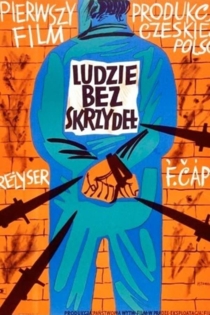
Siréna
Karel Steklý
Ladislav Boháč, Marie Vášová
In late 19th century Czech-speaking Bohemia, oppressed workers at German-owned mines and foundries revolt against their harsh working conditions. Made shortly after World War II as Czechoslovakia was falling to communism, the film resonates in Czech resentment of the German occupation.
The Strike
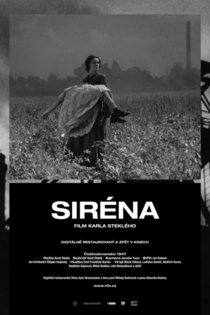
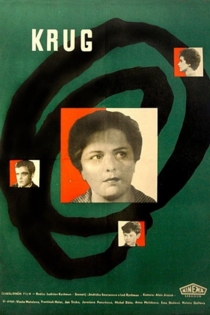
Kruh
Ladislav Rychman
Vlasta Matulová, František Holar
После многолетней счастливой супружеской жизни в семье начался разлад. Муж увлекся другой женщиной и стал чужим в доме. Долгое время Мария, чтобы сохранить семью, делает вид, что ничего не знает, но, когда измена мужа становится известна и детям, она, забрав маленького сына, уходит. Оставшись один, без жены, без детей, муж Марии осознает всю глубину и горечь потери и, бросив возлюбленную, просит Марию простить его и вернуться.
Kruh