
Linda Fenstermaker
2021Tri-Alogue #4
Caryn Cline, Reed O'Beirne
Emily Durand
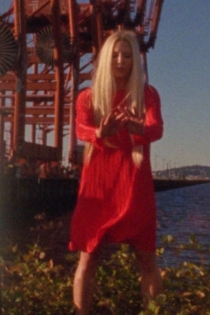
A subtle movement of dancer’s arms invites three panels of film into one frame in this micro-symphony of sound and image in which the changing light evokes the passing of time. Human and non-human, interior and exterior co-exist in this highly improvisational yet serendipitous portrait of the forever-changing city of Seattle. Collaborating to subdivide a 16mm film frame into thirds, Caryn Cline, Linda Fenstermaker and Reed O’Beirne present their separately shot segments simultaneously within one spatial plane. From the interplay of these three points of view emerges a cinematic conversation based on a horizontal compositional logic within the shared frame. This combined connotative relationship between the subframes evokes a spectacle of fractured spatial and temporal perspective.
Tri-Alogue #4
Sun Plant Hands
Linda Fenstermaker
"Sun Plant Hands" is a found footage film that explores the interactions between land and people in an agricultural framework. Through imagery of vegetable growing and footage of the United Farm Workers movement, the film calls into focus the dichotomies between land, plants and people. Made possible through the Basement Films Artist in Residency program in Albuquerque, New Mexico. All the footage in this film is 16mm educational films that are part of the Basement Films archive.
Sun Plant Hands
Tri-Alogue #2
Caryn Cline, Reed O'Beirne
By presenting three filmmakers’ work simultaneously within a single 16mm frame, Tri-Alogue #2 offers a complexity of perspective that undermines the omniscient cinematic gaze and evokes a deeper relational mystery. Collaborating to subdivide a 16mm film frame into thirds, three lmmakers present their separately-shot segments simultaneously within one spatial plane. From the interplay of these three points of view emerges a cinematic conversation based on a horizontal compositional logic within the shared frame.
Tri-Alogue #2
Inversion
Linda Fenstermaker
In a unique blending of perspectives layered around the camera, Inversion creates an open space to expand female consciousness, as an embodiment of the film itself. Through this exploration of (her)self and the landscape of the body, the viewer is invited to reflect upon one’s own bodies and gazes, engaging in new dialogs between filmmaker, subject and viewer through the reflection of the camera.
Inversion