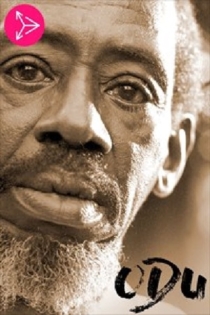
Mário Gusmão
1928 - 1996Dona Flor and Her Two Husbands
Bruno Barreto
Sônia Braga, José Wilker
In a small city of Brazil, Flor, a cooking teacher, marries Vadinho, a very handsome and erotic man. Once married she finds he is a good-for-nothing who takes all her money to gamble. After his death, Flor misses the goods of the marriage so she marries again with a very correct gentleman - the owner of a drugstore. Now she's very happy with her man, but misses the erotic moments with her previous husband. One day, Vadinho comes back as a ghost to quench her desires.
Dona Flor and Her Two Husbands

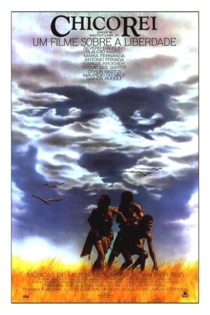
Chico Rei
Walter Lima Jr.
Antônio Pitanga, Severino d'Acelino
Galanga, king of Congo brought to Brazil as a slave, finds gold in Vila Rica, in the State of Minas Gerais, and buys his enfranchisement, the properties of his former owner, and his companions' freedom, becoming Chico Rei, the first black man to own lands in Brazil.
Chico Rei
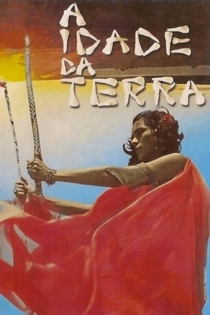
A Idade da Terra
Glauber Rocha
Antônio Pitanga, Tarcísio Meira
Drawing inspiration from a poem penned by Castro Alves, this film vividly captures the political, cultural, and intellectual climate of Brazil during the late 1970s. At its core, the story revolves around four distinctive embodiments of Christ's image: a black man, a soldier, an Indian, and a guerrilla fighter. These courageous individuals, hailed as the harbingers of doom in the tupiniquim lands, valiantly combat the insatiable avarice and oppressive "civilizing" brutality propagated by the formidable John Brahms—a foreign exploiter devoid of morals.
The Age of the Earth
Tieta do Agreste
Carlos Diegues
Sônia Braga, Marília Pêra
Just when her family starts believing that she is dead, and that they can expect a rich heritage, Tieta returns from São Paulo to her native village in Bahia, which she had been forced to leave long ago because of some involvement with a goat herd. Believed to be fabulously rich - and nobody knows how - she brings to the great disappointment of her family a young step-daughter and heir. With the arrival of Tieta turmoil enters into the life of her family and their fellow villagers. Most particularly into the life of her nephew - promised to the Church - and the young aspiring mayor.
Tieta of Agreste

Jubiabá
Nelson Pereira dos Santos
Grande Otelo, Charles Baiano
Jubiabá is a French-Brazilian film based on the homonymous novel by Jorge Amado. The film tells the story of the interracial love between the daughter of a rich Commander and Antonio Balduíno, a rascal, fighter and famous lover from Salvador.
Jubiabá

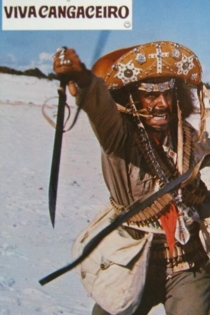
O Cangaceiro
Giovanni Fago
Tomás Milián, Ugo Pagliai
Brazil, the 1920s. The sadistic colonel Minas massacres the hometown of a famous cangaceiro (a kind of revolutionary bandit). The only survivor is a young farmer called Espedito; he is nursed back to health by a (crazy?) hermit who thinks he has been sent (= espedito) by God and therefore baptizes him the Redeemer. Espedito/The Redeemer forms his own gang of cangaceiros but doesn’t really understand what he’s doing until he befriends the proverbial European intellectual, a Dutch Oil prospector, who introduces him to important people. Espedito is hired (and of course double-crossed) by the Dutchman and a corrupt local governor, but then the Dutchman changes sides …
The Magnificent Bandits
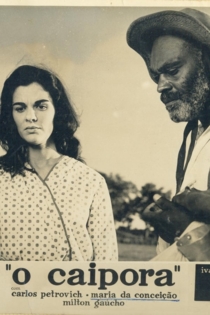
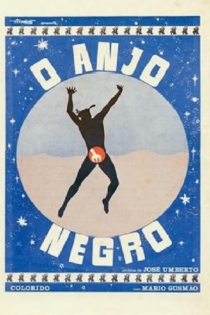
O Anjo Negro
José Umberto
Roberto Maya, Mário Gusmão
In a large house in Salvador lives a family: Hercules, Julia, two of the couple's nephews, Hercules' father-in-law, and two maids. Hercules is a farmer who is in a professional and marital crisis. The mystical figure of Calunga mysteriously appears in the big house. He causes deep transformations in the family. Calunga relates to the women of the house and shakes the established patriarchal structure.
O Anjo Negro