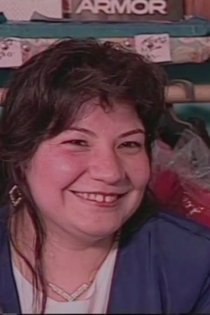
Atteyat El-Abnoudy
2021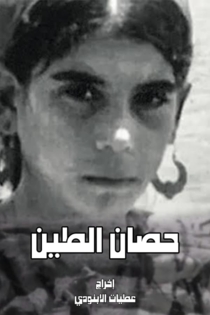
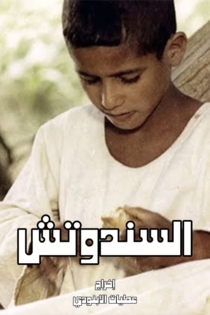
السندوتش
Atteyat El-Abnoudy
Explores the daily life and work of children in Abnoud, a rural village located 600 kilometres to the south of Cairo, where the trains that carry the tourists to the south of Egypt pass through without stopping. A boy outsmarts the meagerness of his circumstances by dripping goat’s milk on a piece of stale bread and turning it into a special sandwich.
The Sandwich
The Nubia Train
Atteyat El-Abnoudy
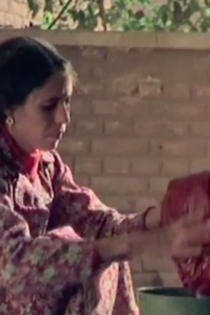
Nubia Train, takes its passengers on a train trip originally designated for transporting the Nuba residents living in Cairo to Aswan. This journey is repeated once every Hijri year, specifically on the day before Eid Al-Adha, a journey that has become one of the Nubian traditions of the feast. This journey is the meeting point between music and games that take place over a 16-hour night trip.
The Nubia Train
Mufakeret Al Higra
Atteyat El-Abnoudy
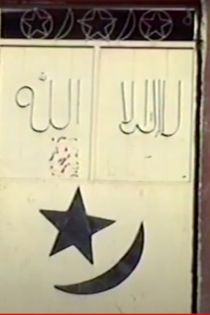
DIARY IN EXILE is a documentary film that uses a combination of sound, image, colour and peoples testimonies to historically account for the period following the fundamentalist military coup in the Sudan in 1989. This period witnessed the migration of a staggering number of Sudanese from their country to all parts of the World. The Sudan became an expellant of its people. The greater majority of Sudanese migrants headed to Egypt, where the film was shot, there is an estimated number of 3 million Sudanese migrants to Egypt since the military coup. Moving between different strata of Sudanese communities in Egypt the film, through various personal testimonies, throws light on the living conditions of ordinary people. All provide pieces of the saga, all have taken refuge in Egypt. All dream of returning back to Sudan, one day. The film was premiered at the United Nations Human Rights Conference, Vienna, in 1993.
Diary in Exile
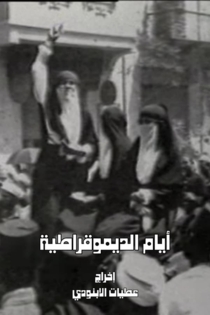
Days of Democracy
Atteyat El-Abnoudy
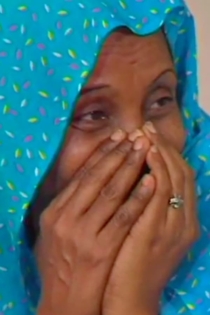
This documentary is a set of interviews with women running for Egypt's Parliament in November of 1995. After a review of recent political history (from 1920 to the institution of women's suffrage in 1956, the election of two women to Parliament in 1957, the increase to 35 female MPs in 1984, and the fall to 10 in 1990), about 20 candidates talk to the camera: incumbents and newcomers; women from the ruling NDP party, from minor parties and independents. This is retail politics: meeting voters in small groups, holding store-front rallies. The candidates have feminist views, and they also champion clean water, better jobs, rebuilding housing after an earthquake, and fair, honest elections.
Days of Democracy
Ughniyat Touha al-Hazina
Atteyat El-Abnoudy
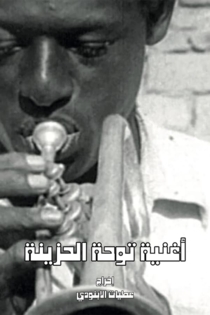
In many ways the sister film to Horse of Mud, Al-Abnoudy’s second film, her graduation film at the Film School in Cairo, is a portrait of Cairo’s street performers. The artistry of this community of fire-eaters, child contortionists, and other performers is captured through the lens of Al-Abnoudy’s unobtrusive camera, accompanied by the spare and haunting narration provided by poet Abdel Rahman Al-Abnoudy.
Sad Song of Touha
Diary in Exile
Hussein Shariffe, Atteyat El-Abnoudy
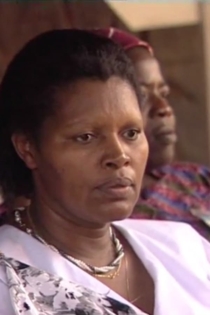
DIARY IN EXILE is a documentary film that uses a combination of sound, image, colour and peoples testimonies to historically account for the period following the fundamentalist military coup in the Sudan in 1989. This period witnessed the migration of a staggering number of Sudanese from their country to all parts of the World. The Sudan became an expellant of its people. The greater majority of Sudanese migrants headed to Egypt, where the film was shot, there is an estimated number of 3 million Sudanese migrants to Egypt since the military coup. Moving between different strata of Sudanese communities in Egypt the film, through various personal testimonies, throws light on the living conditions of ordinary people. All provide pieces of the saga, all have taken refuge in Egypt. All dream of returning back to Sudan, one day. The film was premiered at the United Nations Human Rights Conference, Vienna, in 1993.
Diary in Exile