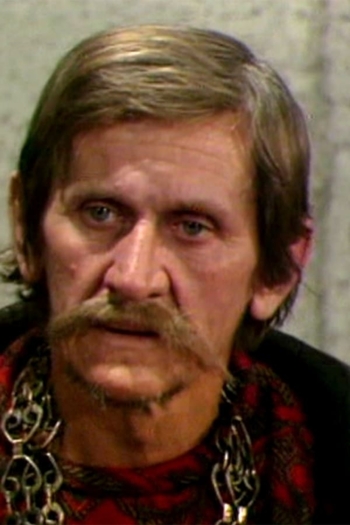
Július Vašek
1926 - 2009After finishing acting at the Bratislava Conservatory in 1954, he made his debut with the film Wooden Village, which was an adaptation of František Heček's novel. He has acted in more than fifty films. He mostly portrayed negative characters - nervous or emotional types of men in borderline situations, e.g. as well as the characters of guardsmen, German soldiers and, paradoxically, partisans in films from the Second World War, where his acting skills were most evident. Unforgettable was his performance in the films Captain Dabač, Romance for flugelhorn and Pacho, Hybské zbojník. However, he was most famous for the character of Prašivec in Martin Hollé's film Copper Tower and especially Orlie Feather. In the 1970s, he was at the peak of his acting career. Undoubtedly, one of the most important tasks of his acting career is the portrayal of the mysterious character of Karol Neuman in the Czech film The Case of the Dead Man, in which he played the main role. He was also excellent in the character of Pančuch in the film Red Wine. He got his last chance in the Czech sci-fi film The Last Move.
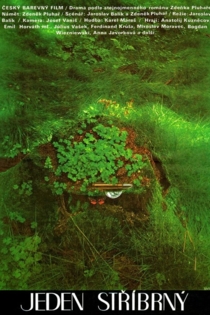
Jeden stříbrný
Jaroslav Balík
Anatoliy Kuznetsov, Emil Horváth
It is summer 1944. The war is far away from Slovak mountains for the time being. The head of forest management Borodác brings a new employee to complete the eight woodcutters work team of Czechs, Slovaks and one Pole - the young guy is Martin Uher, a former clerk form Prague. The eight tough men do not trust the newcomer at first, but as time is passing, they got used to him. After some time, Martin gets next to Julika, a young wife of the gamekeeper Tkác (Vlado Müller) and they begin to go out secretly. The gamekeeper knows that Martin had promised to cooperate with German Gestapo, after he had experienced a hard interrogation. In avoiding to be a grass, Martin leaves Prague to hide in Slovak mountains. Tkác wants Martin to inform on his colleagues who hide guns in the forest to ready to use them against Nazis.
One Silver Piece
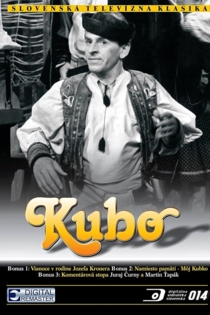
Pacho, the Brigand of Hybe
Martin Ťapák
Jozef Kroner, Dušan Blaškovič
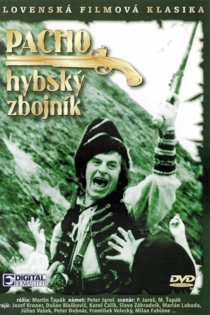
A funny outlaw tale inspired by traditional folk humour. Pacho is no ordinary outlaw. He detests injustice and feudal oppression and he copes with each troublesome situation with the help of his cleverness and wit.
Pacho, the Brigand of Hybe
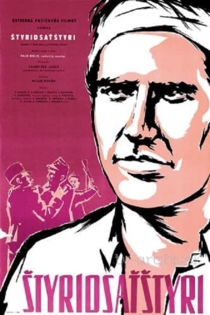
Štyridsaťštyri
Paľo Bielik
Juraj Sarvaš, Dušan Blaškovič
Drama about the rebellion of the Trencín Infantry Regiment against its superior officers in the Serbian city of Kragujevac, at the end of the First World War. It was the biggest and deadliest rebellion in the Austro-Hungarian army.
Štyridsaťštyri
The Legend of the Silver Fir
František Vláčil
Július Vašek, Zdeněk Kryzánek
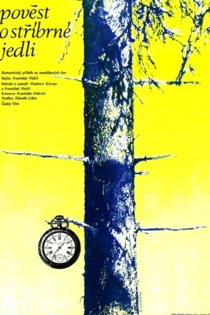
According to one Beskydy Mountains legend, if you do a good deed you will see silver trees. Little Ondra knows trees like that. In his family's cottage hangs a picture showing silver firs, a person falling from a height and a watch. In art lessons Ondra paints trees of the same kind. - One day Lojzek Hojgr, a man who climbs fir trees to gather the seeds, comes to see Ondra's parents. Long-ago Ondra's father has had such a job and Lojzek is his long-time friend. Hojgr moves into a half-ruined wood cabin. Ondra's father takes him on a visit to Lojzek and both demonstrate the beautiful but dangerous work of seed-gathering to the boy.
The Legend of the Silver Fir
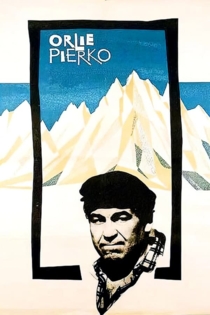
Eagle Feather
Martin Hollý
Ivan Mistrík, Ivan Rajniak
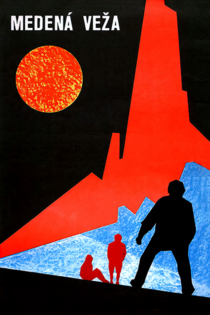
The film captures the new events in the lives of the main characters of the film "The Copper Tower". After two years spent in prison because of smuggling they return to the Stratená dolina valley and plan a revenge on police lieutenant Pardek.
Eagle Feather
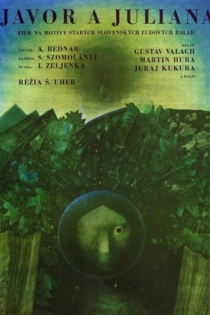
Javor a Juliana
Štefan Uher
Martin Huba, Juraj Kukura
A girl is transformed into a maple tree by her impulsive and angry mother. Three poor wandering musicians come by the tree and create instruments from it. Walking around the country instead of happiness they bring death everywhere with their cursed instruments. However they cannot get rid of them, unless they bury the wooden instruments at the place of the tree. The three are anything but harmonious, each taking in their disputes various stances.
Maple and Juliana

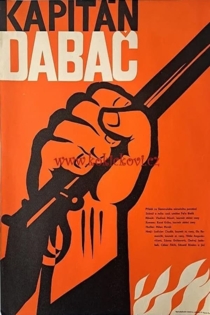
Kapitán Dabač
Paľo Bielik
Ladislav Chudík, Elo Romančík
Капитан Дабач служил в словацких частях гитлеровской армии, видел зверства и бессмысленную жестокость фашистов. Он всегда бездумно подчинялся приказам. Но однажды он не выполнил приказа и отказался расстреливать беззащитное население маленькой украинской деревни. Его судили, приговорили к расстрелу. Дабачу удалось бежать, и он примкнул к партизанам. В дни национального восстания против оккупантов Дабач был одним из его активных участников.
Kapitán Dabač
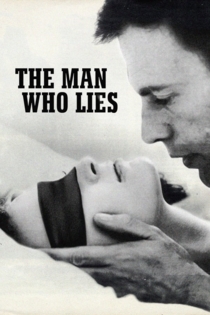
L'Homme qui ment
Alain Robbe-Grillet
Jean-Louis Trintignant, Sylvie Bréal
A man may or may not have betrayed a resistance fighter during World War II. He has supposedly been shot down by the Nazis and wanders into town. Mourning the death of an unseen comrade, he is taken in by the family of the dead rebel. He engages in a superfluous affair and witnesses the lesbian relationship between the man's sister and a female servant. When passions subside, the family has doubts about the reliability of the man's story.
The Man Who Lies
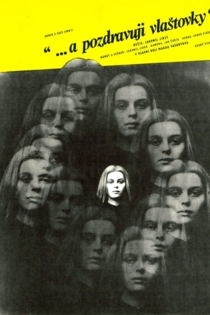
...a pozdravuji vlaštovky
Jaromil Jireš
Magda Vášáryová, Július Vašek
This film, chronicling the last days of Czech resistance fighter Maruska Kuderikova (played by Magda Vasaryova), is based on her diaries. Though she was tortured and eventually executed by the Nazis, her diaries indicate that she was optimistic for the humanity of her captors and did not by any means hate them. Told with simple dignity, this film makes clear why Maruska became a national hero.
And Give My Love to the Swallows
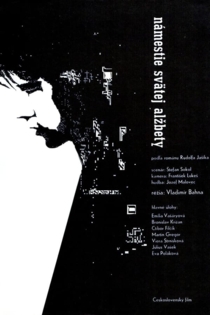
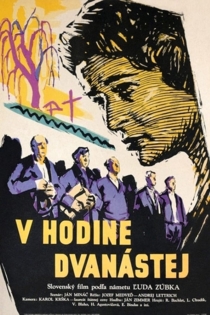
V hodine dvanástej
Jozef Medveď, Andrej Lettrich
Rudolf Bachlet, Naďa Hejná
Действие происходит во время национального восстания 1944 года. В словацком селе погибли два немецких солдата. Командир немецкой части (Ладислав Худик) объявил, что за каждого убитого солдата будут расстреляны пять заложников. И не меняет своего решения, когда становится известно, что солдаты погибли из-за несчастного случая. Но крестьяне не ждут покорно своей судьбы - они берутся за оружие...
V hodine dvanástej