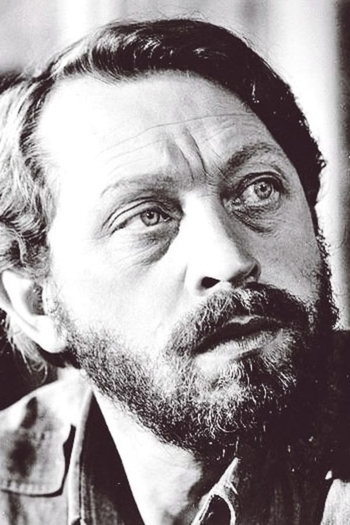
Jiří Zahajský
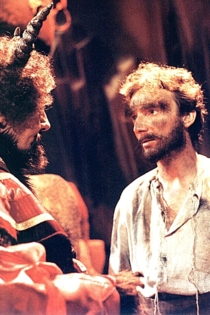
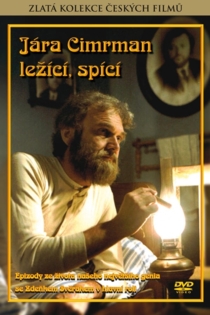
1939 - 2007Jiri Zahajsky was born in Mšeně near Mělník. As a child, he showed a tendency to acting when he played in the amateur performance of Snow White by Dwarf Dwarf. After the war, the Zahajski family moved to Děčín. As a student, he was playing a very good ensemble of amateurs under the direction of director Hipia. He recognized Zahai's talent and negotiated his studies at E. Burian. Zahajsky then studied at the DAMU and became a member of the Vinohrady Theater (1961-1965).
In 1965 Zahajsky became a member of the Theater behind the gate, where he played together with Vladimír Menšík for example in the Maskary of Ostende. In 1972, the Administrative Theater behind the gate was canceled and Zahajský and Libuší Šafránková left for the Činoherní klub. His colleagues included Petr Čepek, Jiřina Třebická, Josef Somr, Jiří Kodet, Jiří Hrzán and others.
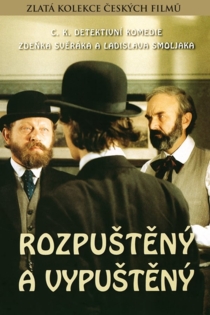
Jiri Zahajsky made mainly small characters in film and on television. Unforgettable is his character, Inspector Trachta of the comedy Dissolved and launched. He created several roles of criminologists, his beard gave him the opportunity to perform the roles of the grooms, he played in the roles of his fathers (TV series Křeček in the nightgown). Daddy also played in a number of television fairy tales especially in the 1980s.
Jiri Zahajsky was for 31 years a life partner of TV advertiser Kamila Moučková, since 1992 she was the fourth husband of actress Jana Brejchová. Jiri Zahajsky died in Prague after a long fight with prostate cancer on July 19, 2007.
(Wikipedia)
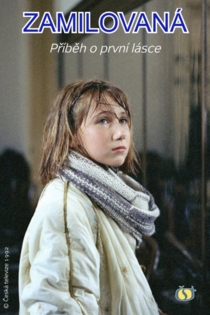
The Medal
Martin Hollý
Vlado Müller, Josef Bláha
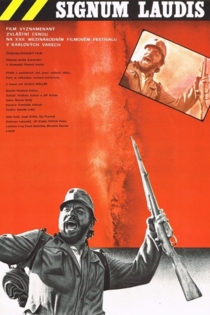
The trenches of World War I provide for a captivating backdrop to the drama of Corporal Hoferik. In his devotion to the Habsburg Monarchy, he fanatically carries out his military orders, but he ultimately suffers the Empire's disfavor.
The Medal
Maratón
Ivo Novák
Jaromír Hanzlík, Jana Brejchová
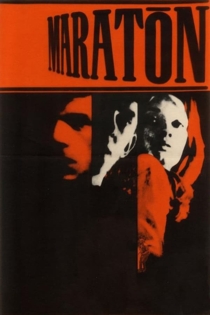
It is 5 May 1945 and the uprising against the hated German occupiers has broken out in Prague. The Czech guards open the gate of the Pankrác prison to allow the prisoners to escape en masse. Many of them are shot dead by the German guards but young Ruda (Jaromír Hanzlík) manages to run away. He is taken care of by one of the Prague fighters, concierge Kytka. Kytka hides him in the flat of the house's owner where only the young maid Karla (Jana Brejchová) is left, ordering her to take care of Ruda.
Maratón
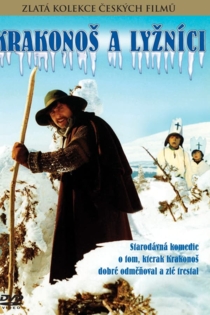
The Krakonos and the Skiers
Věra Plívová-Šimková
Milan Padalík, Jan Kreidl
Matej and Jenda, two of the eight children of the poor Pelc family in the Giant Mountains, help in a glass works where the oldest brother Francek works. They hide into a tub not to be seen by supervisors checking on the ban of children labor. They miss the Epiphany carol (songs and treats door-to-door) and all neighbor village boys again on them in all the neighbor houses. On their way home they are passed by a fast moving big man with a large backpack. The boys send the customs officers, who are pursuing the strange man, to the opposite direction. The man then thanks them and rewards them the next day. Based on fairy-tales and legends the boys think the man is Krakonos (the giant living and ruling in the Giant Mountains).
The Krakonos and the Skiers
Řád
Petr Hvizd
Marek Vašut, Andrea Elsnerová
Set in 1776, this historical film by Petr Hvizd concerns an army deserter who takes refuge within the walls of the Convent of St. Claire. The investigation to find him soon becomes a question of morality concerning the value of human life in the context of the diversity and hierarchy of social laws.
Řád


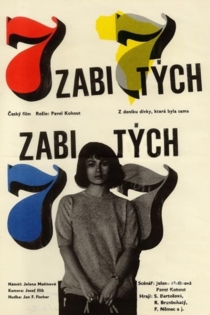
7 zabitých
Pavel Kohout
Stanislava Bartošová, Radoslav Brzobohatý
Seven days, or rather evenings and nights, in the life of Jenka (Stanislava Bartosová), a young good-looking nurse. Jenka is attractive to men and enjoys their company, but there is a limit beyond which she won't go, since she is faithful to her Filip, who is doing his military service. On Sunday the girl awaits Filip to arrive on a short period of leave, but instead his friend Míla (Frantisek Nemec) turns up and apologizes for Filip, who has to stay in the barracks.
Seven Days in a Week