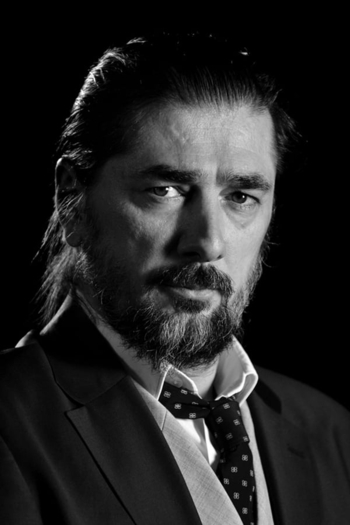
Vojin Ćetković
1971 (54 года)
The Knife
Miroslav Lekić
Žarko Laušević, Bojana Maljević
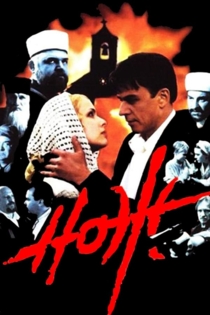
In attempt to find out who he is and where his roots lie, Alija Osmanović discovers something far deeper and more important. He slowly discovers an evil that follows him as his destiny regardless of what his ancestors were called. Trying to find the reasons for this evil, he finds himself in a vicious circle. Running away from an irrational fear within him, he eventually finds the road to his faith.
The Knife
Huddersfield
Ivan Živković, Ivan Živković
Goran Šušljik, Nebojša Glogovac
Raša is 30, lives with his alcoholic father and trying, and failing, to make ends meet by giving literature lessons to teenage girls and hosting a program on the local radio, presenting new books and interviewing authors. Ivan, a promising judo fighter in his teenage years, has since had a history of neurosis, psychotic episodes, hospitalization, being heavily medicated, involvement in various occult groups and practices, prior to having been baptized in the Orthodox Church.
Huddersfield

Montevideo, God Bless You!
Dragan Bjelogrlić
Miloš Biković, Petar Strugar
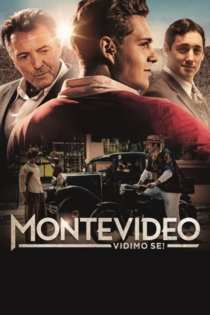
A story about one team that decides to follow a dream that takes them on a journey to the First World Football Championship in Montevideo, Uruguay in 1930. A dream that allows them to become true stars and living legends.
Montevideo, God Bless You!
The Trap
Srdan Golubović
Nebojša Glogovac, Nataša Ninković
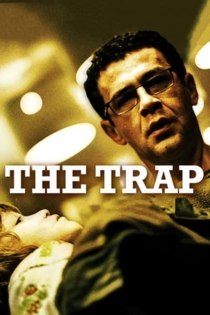
Mladen and Marija are an ordinary and happy married couple of the "middle class" of the society in which they live as tenants. Mladen works as a civil engineer in a state company, and Marija is an English teacher in primary school. The couple finds joy in their only son, Nemanja. They discover that Nemanja has a rare heart disease and healing is possible with an operation in a foreign medical center, which costs €26,000.
The Trap


Zamfir's Zona
Zdravko Šotra
Vojin Ćetković, Katarina Radivojević
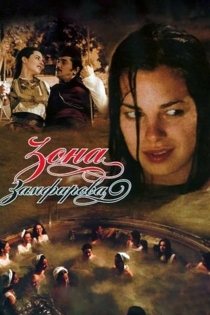
Zona Zamfirova is set in the eastern Serbian city of Niš in the 19th century. The plot follows the story of Zona Zamfirova, a local rich man's daughter, and the vicissitudes of her affair with Mane, an ordinary goldsmith. As it was undesirable for the daughter of a rich man to marry a craftsman, the two are at first divided, with the possibility of Zona marrying Manulać, who came from a wealthy family. Everything is, however, changed as Mane organizes a successful conspiracy to keep Zona for himself.
Zamfir's Zona
Ivko's Feast
Zdravko Šotra
Zoran Cvijanović, Dragan Bjelogrlić
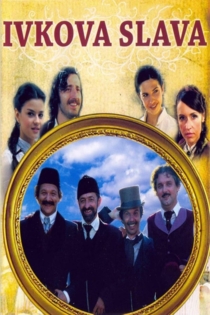
The story takes place in Nis, towards the end of the nineteenth century, during the calm down of the stormy historic events which led to final liberation of southern Serbian parts from Turkish occupation. The comedy is about celebrating traditional saint's day feast, organized by Ivko and how his guests test the Serbian hospitality.
Ivko's Feast
Шешир професора Косте Вујића
Zdravko Šotra
Aleksandar Berček, Miloš Biković
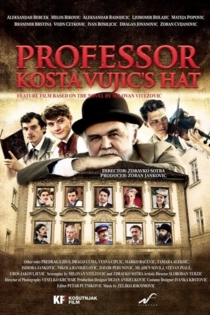
Professor Vujić's Hat (Serbian: Sesir profesora Koste Vujica) is a Serbian movie. The story was first presentet as a TV drama in 1972. The story of professor Kosta Vujić who in the mid-19th century taught an extraordinarily talented generation of gymnasium students, some of whom would go on to become prominent members of the Serbian society and eventually historically significant figures. They include Mihailo "Mika Alas" Petrović, Stevan Stojanović Mokranjac, Jovan Cvijić, and Jaša Prodanović.
Professor Kosta Vujic's Hat
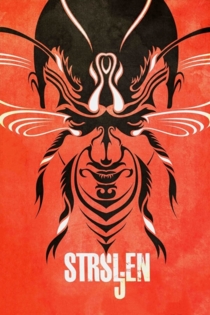
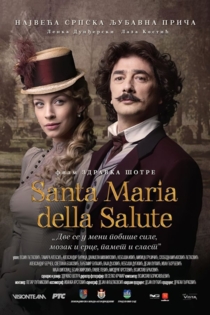
Santa Maria della Salute
Zdravko Šotra
Vojin Ćetković, Tamara Aleksić
The film narrates a tormented love story between one of the most famous poets of Serbian literature, Laza Kostic, renowned for his sublime poetic puns and word coining and an enchanting young girl by the name of Lenka Dundjerski, an educated and refined daughter of a landowner Lazar Dundjerski. Standing in the way of their love is the insurmountable age gap between the two, as Kostic is 29 years older than his beloved one. The affair inspired one of the most sophisticated and tender love poems of the time, an utmost expression of yearning, in which the poet's unflinching devotion is linked to his admiration for a Venice basilisk by the name of Santa Maria della Salute.
Santa Maria della Salute