Krzysztof Zaleski
1948 - 2008
The Mother of the Kings
Janusz Zaorski
Magda Teresa Wójcik, Zbigniew Zapasiewicz
Made in 1982, shelved for five years. Story opens with Lucja Krol's husband under the tram. She gives birth to her fourth son on the floor of their new apartment. Neighbor Wiktor, a communist intellectual, befriends the poverty-stricken family but is soon arrested and sent to jail. During the war Lucja narrowly escapes a Nazi roundup at the black market. Her sons hold ardent Communist meetings in their apartment, with her blessing. Lucja works hard, but without complaint. After the war, Klemens is inexplicably arrested, accused by the new regime of being a collaborator. Wiktor, now a high-ranking party member, trying to defend him, himself falls into disgrace. Klemens is tortured to "confess" and dies in jail, a Communist to the end. Lucja is never told about his fate.
The Mother of the Kings

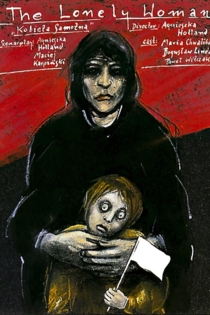
A Lonely Woman
Agnieszka Holland
Maria Chwalibóg, Bogusław Linda
Irena, a postal delivery worker, is struggling with inadequate housing, a drunk neighbor who wants to take her place, and a heartless boss, knowing that the whole day at work, she is leaving her young son. But the worst is the loneliness, exacerbated by her single mother status. She meets a crippled pensioner Jacek, who appears to be the key to her happiness, but tragedy continues to strike.
A Woman Alone
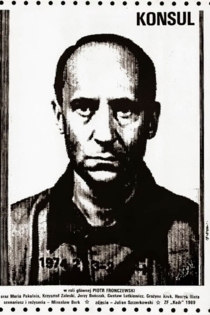
Konsul
Mirosław Bork
Piotr Fronczewski, Maria Pakulnis
After a con-man is released from prison, he gradually gets back to his old tricks, but his cons grow ever more elaborate and travel steadily up the ladder of society until he has local politicians and important government ministers involved in his schemes.
Konsul
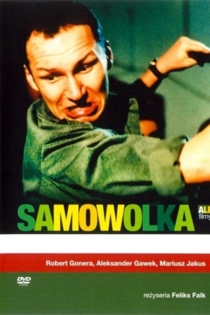
Samowolka
Feliks Falk
Robert Gonera, Aleksander Gawek
Do jednostki wojskowej przyjeżdżają nowi poborowi. Starsi koledzy ostrzegają ich przed Tygrysem, byłym kryminalistą, faktycznym władcą kompanii, słynącym z bezwzględności i sadyzmu. Co gorsza jest on w praktyce bezkrany, gdyż przełożeni chociaż wiedzą o jego wybrykach, nie reagują. Już pierwsze dni służby wystawiają cierpliwość świeżo upieczonych "kotów" na ciężką próbę. Grupka starszych żołnierzy, czekających na przejście do rezerwy bije, upokarza i demoluje dobytek poborowych. Ich okrucieństwu i złośliwości najodważniej próbuje przeciwstawić się niejaki Kowalski.
Samowolka
Piłkarski poker
Janusz Zaorski
Janusz Gajos, Małgorzata Pieczyńska
Laguna (Janusz Gajos) was once a great soccer player whose career was interrupted by an injury. He spent years climbing the ranks to become an international referee. He sees the prevailing arrangements, manipulations, and bribery around him. Now desperate, he decides to stage an extraordinary culmination of his career: he wants to create a so-called "miracle Sunday" by "printing" the final round of games - taking substantial bribes from the interested clubs and manipulating the matches so that the results align in the order he set up.
Soccer Poker

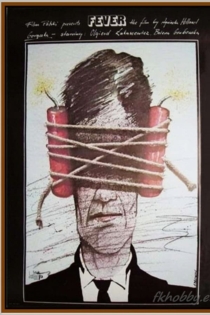
Gorączka
Agnieszka Holland
Barbara Grabowska, Adam Ferency
The film is set in 1905, in a time of feverish revolutionary underground activity in Poland partitioned between three neighbours. All the characters are committed anarchists. The bomb maker puts an invention together to place it at the disposal of young inexperienced terrorists fighting against Tsarist oppression. The story follows the passing of this bomb from anarchist to anarchist as several attempts are made on the life of Tsarist governor general, until, at the end, it is effectively and harmlessly defused by a bomb expert. The presence of the bomb has a destroying effect on all of the Polish revolutionaries, they either die or breakdown.
Fever
Szansa
Feliks Falk
Jerzy Stuhr, Krzysztof Zaleski
Jerzy Stuhr plays a high school teacher with a sensitive outlook on life and a soft spot for students who like art and literature as passionately as he does. His adversary is a possessed sports instructor, gaining growing control over the students and authorities. His methods are questionable and his influence dangerous, but the handball team's prospects look good and the school needs success...
Chance

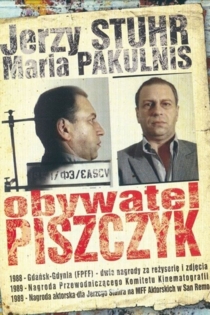
Obywatel Piszczyk
Andrzej Kotkowski
Jerzy Stuhr, Maria Pakulnis
This film is a sequel to Munk's Zezowate Szczescie and it's much the same, only more so. The film begins in a cinema, where the last scenes of Zezowate Szczescie are being shown. Born unlucky, a victim of the errors and distortions of Stalinism, he is released in 1956. He meets a politically feverish woman, her influential parents, and finally becomes the father of her child. But bad luck, or perhaps an unlucky era, will not let him forget.
Citizen Piszczyk
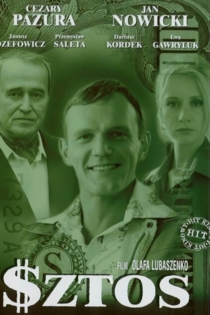
Sztos
Olaf Lubaszenko
Cezary Pazura, Jan Nowicki
Two friends recall the PRL. After serving time in jail, they took up an illegal currency exchange. Cheated by partner - they decide to take revenge. Preparations take many months, but the action ends differently than it was planned.
Sztos

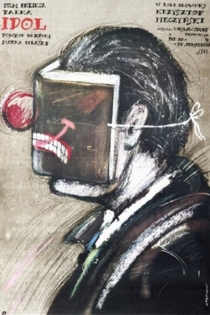
Idol
Feliks Falk
Witold Dębicki, Janusz Gajos
In 1969 a young writer decides to write an essay on a well known Polish writer, who had to leave the country in the 50's, later living, working and dying in exile. He slowly assembles the character and even the exterior appearances of his idol until his own identity tragically disappears.
Idol
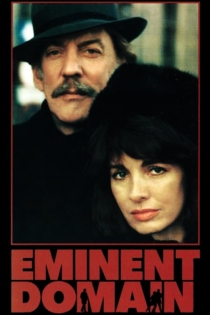
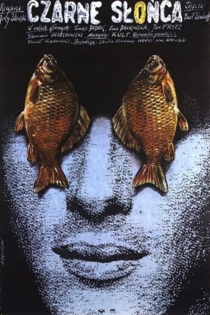
Czarne Slonca
Jerzy Zalewski
Ewa Dałkowska, Tomasz Dedek
Multiple recidivist Tadeusz Wilk out of jail thanks to an amnesty. He has no idea where to go and what to do with themselves. Post lays down back behind bars.Wolf meets Celine and tells the woman that she is his mother. Mysterious, strangely behaving stranger arouses more and more anxious new parents
Czarne Slońca