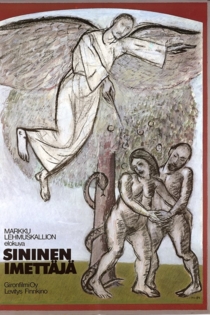
Markku Lehmuskallio
1938 (87 лет)Matka
Anastasia Lapsui, Markku Lehmuskallio
Nekochako Lapsui, Parasi Puiko
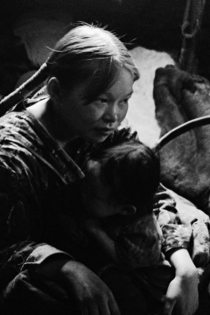
Nedarma (Travelling) is one of several documentary features co-directed by Anastasia Lapsui and Markku Lehmuskallio that portray the daily lives of the Nenets, Lapsui’s tribe based in the northern tundra of Siberia. The film invokes Nenets cosmology as a way of leading into a filmic structure that portrays the arc of life from birth to death.
Travelling
Korpinpolska
Markku Lehmuskallio
Pertti Kalinainen, Paavo Katajasaari
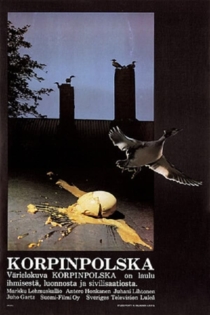
With a keen sense of visual beauty, director Markku Lehmuskallio has created a thought-provoking, aesthetic film about a married couple and an old man living in a remote part of Finland. The young husband goes out hunting but only to support himself and his wife, not to kill off hordes of animals. He sets traps, and that gets him in trouble with the police who proceed to ticket him for using the devices. The forest cycles themselves are intimated when an old tree is shown falling to earth -- perhaps a reflection on the old man's passing years. In contrast to these few people living off the land and basically keeping the ecological balance intact, a highway construction crew is shown at work felling trees. Soon the antagonism grows between encroaching civilization and the quiet life of the young couple and elderly man.
The Raven's Dance
Seitsemän laulua tundralta
Anastasia Lapsui, Markku Lehmuskallio
Anatoli Hudi, Igor Hudi
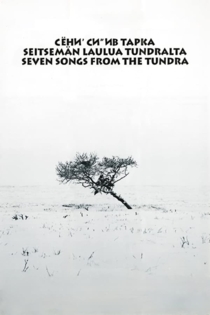
An anthology of stories about the indigenous nomadic people of the Russian tundra under modern Communist rule. Finland's submission for the Academy Award for Best Foreign Language Film in 2000
Seven Songs from the Tundra
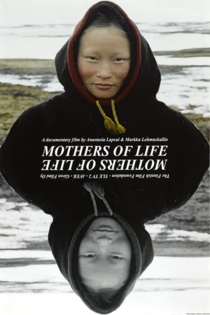
Sukunsa viimeinen
Anastasia Lapsui, Markku Lehmuskallio
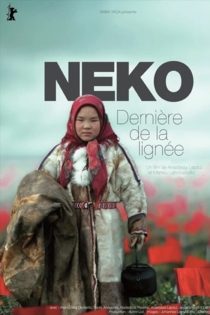
A little Nenets girl Neko is taken against her will from her home to a boarding school in a remote Russian village. Forced to adapt to a foreign culture and new customs, Neko rebels and decides to flee, hoping to get back to her family and old habits.
Pudana: Last of the Line
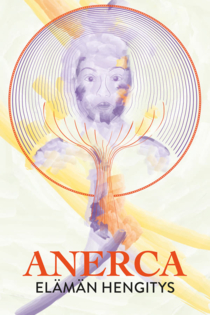
Anerca: Elämän Hengitys
Johannes Lehmuskallio, Markku Lehmuskallio
Fred Duck, Birit Haarla
Markku Lehmuskallio has devoted a large part of his documentary work to the indigenous people of the Arctic Circle. In this latest film, co-directed with his son Johannes Lehmuskallio, he composes a fascinating poetic ethnography inspired by the singing, dancing, forms of contemporary existence and, above all, the vital breath of these nomad communities mistreated by History.
Anerca, Breath of Life
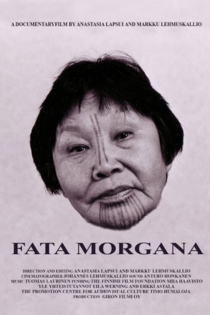
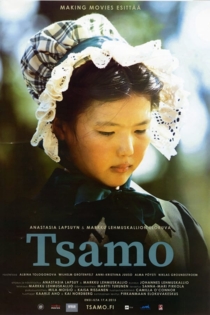
Tsamo
Anastasia Lapsui, Markku Lehmuskallio
In the 1860’s Alaska and Finland are simultaneously parts of the Russian Empire. A Finnish mining engineer Simon buys an Alaskan native American girl and decides to bring her to Finland. The child, Tsamo, is baptized and Simon starts to teach her European manners. Tsamo thinks she’s married to Simon and acts accordingly, but when Simon marries a lady of his own age and class, she gets confused. Simon is forced to send the girl away and the battle over Tsamo’s identity takes complicated turns.
Tsamo
Jumalan morsian
Anastasia Lapsui, Markku Lehmuskallio
Jana Hudi
An elderly Nenets woman in teepee on northern Russia's Yamal Peninsula recounts her early life betrothed to a deity for the entertainment of a blind young girl. In the Nenets culture, a girl child can be married to holiest of holies, Num, before or after her birth. Lonely old Numd' Syarda (which means, literally, 'tied to Num') entertains the blind young Ilne ('giver of life') with stories of how she became one of these chosen few.
A Bride of the Seventh Heaven