Ruth Weiss
2021Steven Arnold: Heavenly Bodies
Vishnu Dass
Steven Arnold, Anjelica Huston
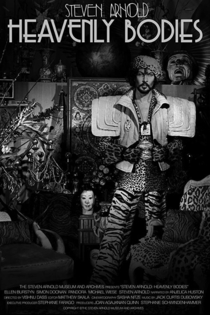
Anjelica Huston narrates this exploration of the spectacularly dreamlike world of Salvador Dali’s protégé, Steven Arnold, and his strikingly creative and influential body of work filled with occult rituals, Hollywood camp, and surrealist art nouveau whimsy. Taken from more than 70 hours of original and archival footage, including rare scenes of Holly Woodlawn, director Vishnu Dass digs deeply into the decadent countercultural and inspiring life of this unheralded multimedia artist of the queer community.
Steven Arnold: Heavenly Bodies
The Liberation of the Mannique Mechanique
Steven Arnold
Ruth Weiss
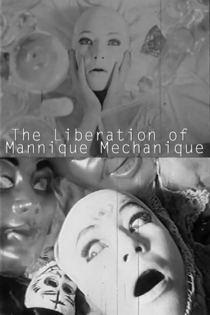
Although best known for his photography, Steven Arnold also wrote, designed, and directed several groundbreaking visionary films, The Liberation of Mannique Mechanique being the first. Stuart Comer of the Tate Modern (London) said of Mannique: “a macabre, decadent work presenting mannequins and models that travel through strange universes toward possible self-discovery.” Brooklyn-based artist and writer Kate Wadkins in a recent online article observed: “Arnold’s films are dream-like visions of androgynous beings. Their narratives are modern-day fairy tales and reveries about gender — all through the lens of an acid trip.”
The Liberation of the Mannique Mechanique
ruth weiss, the beat goddess
Melody C. Miller
Ruth Weiss
In a life that has spanned 92 creative years, ruth weiss is one of the most influential writers of the Beat Generation. Born to a Jewish family during the rise of Nazism, as a 10-year-old refugee, she escaped to the United States. ruth became a Jazz troubadour exemplifying the zeitgeist of Chicago, New Orleans, and San Francisco. The film further highlights ruth weiss' electrifying and intimate poetry with breathtaking images of exquisite modern dance, art, animation, and music to embody her oeuvre. This film documents not only weiss' gift to humanity but archives significant historical moments in our world's social and literary movements. As a contemporary of Lawrence Ferlinghetti and Jack Kerouac, she innovated poetry to jazz.
ruth weiss, the beat goddess

The Brink
Ruth Weiss
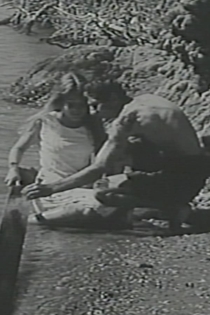
Upon reviewing her poem, The Brink, the painter Paul Beattie asked if weiss could turn it into a film script, a request which she willingly obliged. By 1961, weiss had finished her creation and filming of THE BRINK, incorporating "found objects" into her style and philosophy towards the film
The Brink