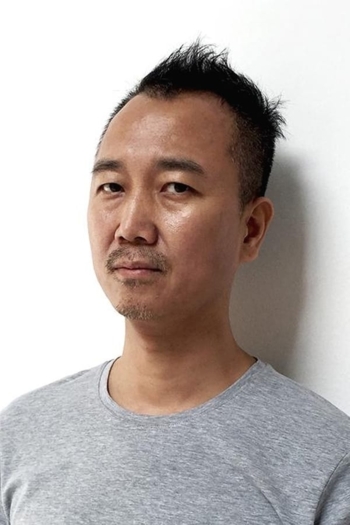
Im Heung-soon
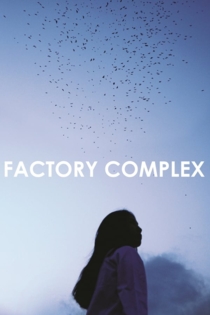
1969 (56 лет)위로공단
Im Heung-soon
Kim Jin-sook
The drastic economic development in South Korea once surprised the rest of the world. However, behind of it was an oppression the marginalized female laborers had to endure. The film invites us to the lives of the working class women engaged in the textile industry of the 1960s, all the way through the stories of flight attendants, cashiers, and non-regular workers of today. As we encounter the vista of female factory workers in Cambodia that poignantly resembles the labor history of Korea, the form of labor changes its appearance but the essence of the bread-and-butter question remains still.
Factory Complex
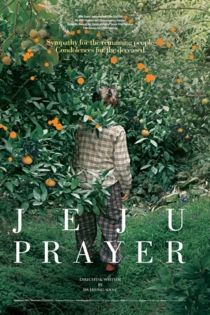
비념
Im Heung-soon
Kang Sang-hee, Han Shin-hwa
Focusing on Mrs. Kang Sang-hee’s life, she lost her husband in the Jeju Uprising (March 3rd, 1948). The film views the dark-side of Jeju Island, a huge grave, which is completely opposite of the other side of the island, the famous tourist attraction. It says that the tragedy has been going on about the recent Gang-jeong village situation.
Jeju Prayer
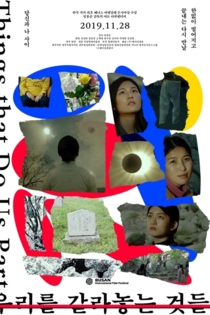
우리를 갈라놓는 것들
Im Heung-soon
Jeong Jeong Hwa, Kim Dong-il
Things That Do Us Part is a documentary that reframes the stories of three women fighters who dove into a tragic war in modern Korean history, using witness statements and reenactments.
Things That Do Us Part
교환일기
Momose Aya, Im Heung-soon
The Exchange Diary is a collaborative film project of two artists, Im Heung-soon and Momose Aya, since 2015. Having exchanged video clips recorded with the iPhone, the artists edited and recreated each other´s work in their own interpretation. The film explores private and social issues surrounding the artists with asynchronous images and sound, and blended time and space.
Exchange Diary

좋은 빛, 좋은 공기
Im Heung-soon
CHA CHO-GANG, CHU HYE-SEONG
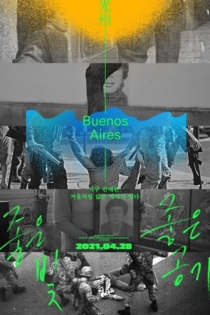
The title Good Light, Good Air is oddly paradoxical. Keenly working at the point where his artistic identity and persistent attention on modern Korean history meet, director Im in this film focused on where the history of oppression and struggle intersect between Gwangju and Buenos Aires. In both cities, a great number of people who fought against the dictatorship were slaughtered and disappeared. The people of both societies still live with that trauma. When the testimonies of the victims of the two cities cross over, the film gives us chills as the eerie history of the two is very similar. Through Good Light, Good Air, director Im asks us how we will remember the past from where we stand right now.
Good Light, Good Air
려행
Im Heung-soon
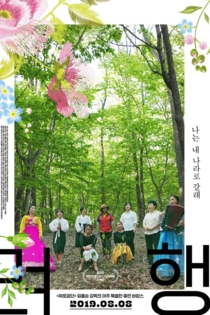
A group of women climbs a summer mountain situated in South Korea. They are refugees who have settled into South Korean society after fleeing from North Korea. For them, climbing the mountains has been an unavoidable journey for survival - a matter of life and death.
Ryeohaeng
포옹
Im Heung-soon
The bride and groom kiss at the wedding hall. Not all the guests are wearing masks. A, who is in a field of film, reckons it strange, and then B, a friend of A, tells him the pandemic has been completely over and asks A how could not know it. At that moment, A wakes up from his dream. The situation never ends up, and the world heads toward an unpredictable future for a new life.
Hug