Will Hindle
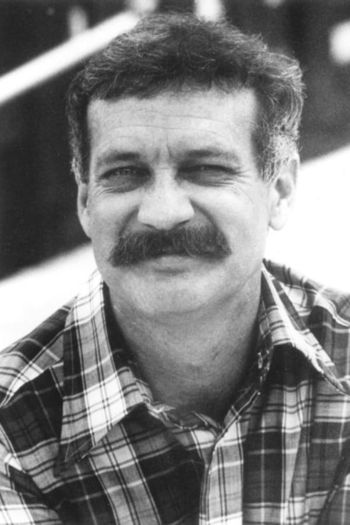
1929 - 1987From 1958 to 1976, he made ten 16 mm motion pictures. He employed complex rear-projection rephotography, slow motion, and subtle tinting techniques in his work. His movies have been widely praised for their astonishing cinematic techniques and deep personal feeling.
Description above from the Wikipedia article Will Hindle, licensed under CC-BY-SA, full list of contributors on Wikipedia.
Pastorale d'été
Will Hindle
PASTORAL D'ETE is one of the nation's first works of the Personal Film movement. Hindle dovetails the lyrical images of a singular high summer's day heat. A poignant first work. Initially used camera settings and lens operations. Evidences the mastery of editing to come.
Pastorale d'été
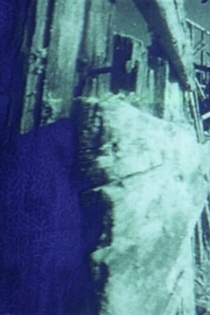
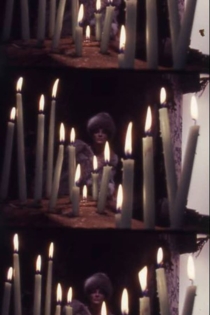
Saint Flournoy Lobos-Logos and the Eastern Europe Fetus Taxing Japan Brides in West Coast Places Sucking Alabama Air
Will Hindle
Presaging details and intent of the Charles Manson's cult and actions was not meant to be one of this film's greater attributes. It was, however, filmed uncannily months before the facts were known. The resemblance is oblique. The film: the mysticism of a "calling," a journey to be made, a vision in mid-desert to behold and oneness with it all. Filmed in Death Valley.
Saint Flournoy Lobos-Logos and the Eastern Europe Fetus Taxing Japan Brides in West Coast Places Sucking Alabama Air
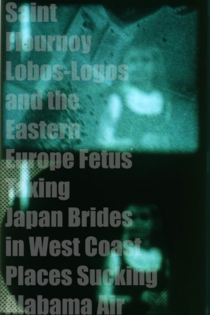
Non Catholicam
Will Hindle
Set to the music of Hindemith, filmed entirely in a Gothic cathedral and edited to precision counter-point. An almost somber beginning that rises to brilliant exaltation. As with PASTORALE, extremely innovative for its day and even now. Entire film was an "optical print" to retain light nuances. Has never been placed in competition.
Non Catholicam
FFFTCM
Will Hindle
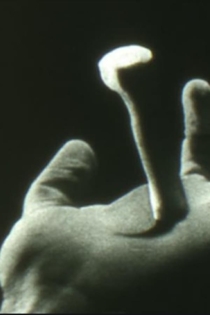
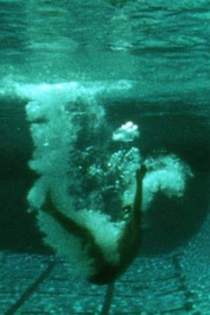
Renewed income and the ability to work on one's own produced this feeling and work. A Promethean awakening, de-bonding of the human spirit ... reaching for the unfiltered blaze of Light and Life. The driving sounds of heart beat, fanfare for the Common Man and devotional chants. A time of sharing ... a touch of vision in the night.
FFFTCM
Later That Same Night
Will Hindle
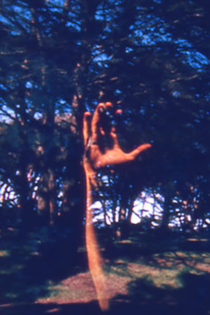
Hindle's first all-southern-made work, filmed shortly after moving his studio from San Francisco to the lower Appalachians. Jackie Dicie sings the song in disruptive out-of-synchronization. It is Hindle's first-water attempt to express the southern country mode of existence ... the alone woman and the lonesome land.
Later That Same Night
29: Merci, Merci
Will Hindle
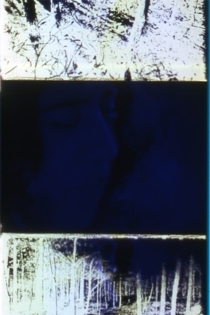
A rude and abrupt departure from Hindle's two early visual poems. Between those early works and MERCI, Hindle was sought to film the Winter Olympics, 150 short works for Westinghouse/CBS, and the South Sea voyages of Sterling Hayden's schooner, "Wanderer." The inability to get on with his own work produced MERCI. A poignant comment concerning the film artist's dilemma. Aftermaths of Western Civilization. Including never-seen-elsewhere Nazi footage inserts.
29: Merci, Merci
Trekkeriff
Will Hindle
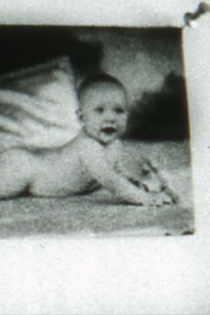
This remained in limbo for 24 years. The only people to have ever seen it were a few handfuls of Hindle's and, later, Shellie Fleming's students. Working from the only surviving print and Will's original magnetic sound masters, the Academy Film Archive has restored the film. Additional Will Hindle films are also in the process of being restored.
Trekkeriff