Sumiko Haneda
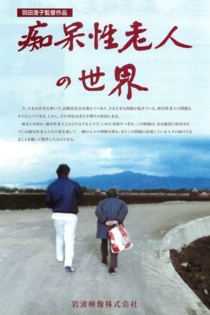
1926 (100 лет)痴呆性老人の世界
Sumiko Haneda
Shot in a retirement home over a period of two years, this film raises the question of "how to take care". The director films with great tenderness, not only the daily life of patients with senile dementia, but also the work of caregivers. Widely broadcast, the film sparked lively debate on the care and support society in Japan.
How to Care for the Senile
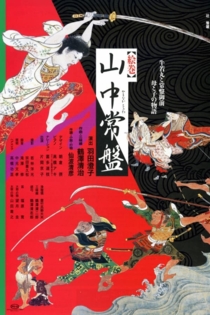
山中常盤ー牛若丸と常盤御前 母と子の物語ー
Sumiko Haneda
Michie Kita, Kyoko Kataoka
This extraordinary film presents Japanese classical scroll painting as never before. The Yamanaka Tokiwa comprises twelve scrolls painted by Matabei Iwasa some 400 years ago. Haneda redefines the art documentary and demonstrated that a film about a masterpiece can be equally masterful.
Into the Picture Scroll: The Tale of Yamanaka Tokiwa
薄墨の桜
Sumiko Haneda
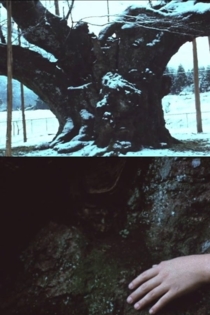
The poignant focal point for this film is a cherry tree that is over 1400 years old. Beginning with the tree, the director then explores the families and environment around the tree. The editing and music contribute to the sense of a haunting past contained within the solid structure of an ancient natural wonder.
The Cherry Tree with Gray Blossoms
Devotion: A Film About Ogawa Productions
Barbara Hammer
Nagisa Ōshima, Sumiko Uno
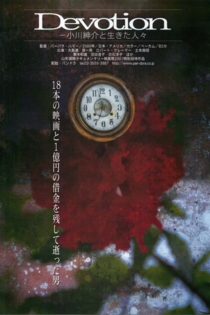
Devotion investigates the extremely complex and heirarchical relationships among a committed group of Japanese filmmakers who dedicated up to 30 years of their lives making films for one man-Ogawa Shinsuke. Members of Ogawa Pro filmed the student movement of the late 60's; the fight by farmers to save their land from government confiscaton for the Narita airport at Sanrizuka; and the village life of a small farming community, Magino Village, in northern Japan. These heartbreaking and sometimes funny stories have never been told on film before. Rare footage, stills, and diaries with interviews with Oshima Nagisa, Hara Kazuo and Robert Kramer make this historical inquiry visually exciting as well as valuable.
Devotion: A Film About Ogawa Productions
AKIKO あるダンサーの肖像
Sumiko Haneda
Akiko Kanda
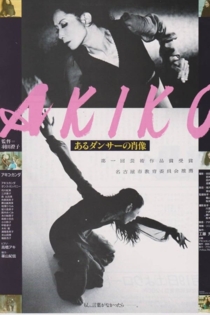
“I have three tasks in my life: to dance, to teach dance, and to create dance,” says the pioneering Japanese performer Akiko Kanda in this intimate portrait of creativity and individuality, After seeing a Martha Graham performance in college, Kanda left her family behind in Japan and arrived in New York City, where she studied under the legendary Graham and became a principal dancer with the troupe. Following the wiry artist as she moves from practice floor to performance hall, and from the cramped single-room apartment she lives in to a trip home to see her aging mother, director Sumiko Haneda reveals a woman who has rebelled against traditional ideals of marriage and motherhood, and who nearly single-handedly brought modern dance to Japan-and kept it alive. “When I die,” Kanda tells the director, “I will be content if I can just say, ‘I danced.'”
Akiko: Portrait of a Dancer
Kodai No Bi
Sumiko Haneda
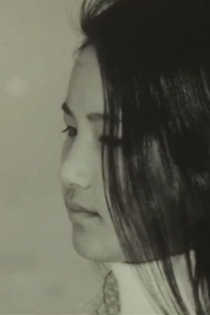
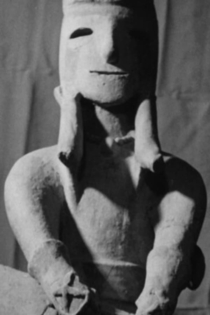
Commissioned by the Tokyo National Museum, this film, regarded in some quarters as the masterpiece of Haneda’s Iwanami period, is one of several in which she documented Japan’s ancient and classical artistic treasures. Here she focuses on the Tokyo National Museum’s collection of art from the earliest eras of Japan’s (pre)history, including earthenware pottery and the striking terracotta figurines known as haniwa.
Beauty of the Ancients

早池峰の賦
Sumiko Haneda
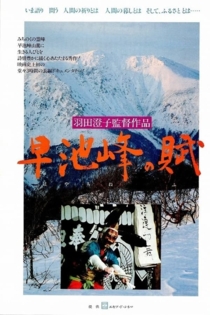
Iwate Prefecture, Ohasamacho. In the foothills of Mt. Hayachine, the kagura (devotional dance) offered to the mountain goddess by the mountain priests is still performed today nearly unchanged from mediaeval times. This dance, which has been handed down along several lines of succession in the villages of Take and Otsugunai, has its origins in prayer. Take's kagura and Otsugunai's kagura are said to be closely related. The film shows the people who lovingly continue to perform these two types of dance and the transition from ancient tradition to modern life. Even from the first moment that director Haneda was charmed by Hayachine's kagura, the mountain villages that were home to the gods had already begun to disappear.
The Poem of Hayachine Valley
嗚呼 満蒙開拓団
Sumiko Haneda
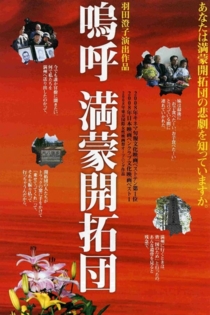
Set in the Japanese puppet state of Manchukuo, the tragic theme of the film is the destruction of millions of lives in the 13 years before Manchukuo collapsed with Japan’s World War II surrender in August 1945, and the years of suffering it brought in its wake.
The Japanese Settlers to the Manchuria and Inner Mongolia of Mainland China
女たちの証言 -「労働運動のなかの先駆的女性たち」
Sumiko Haneda
In 1982, the socialist researcher Ishidō Kiyotomo organized a round table with women activists who had participated in the rise of the labor movement, from the Taishō era (1912-1925) to the Shōwa era (1926-1989). At his request, Haneda records this meeting. Stimulated by her desire to " preserve the history of these women ", the director adds additional sequences to the recording. In the film, the discrimination and domination suffered by these activists are told in the first person.
Women’s Testimonies - Pioneering Women in the Labor Movement
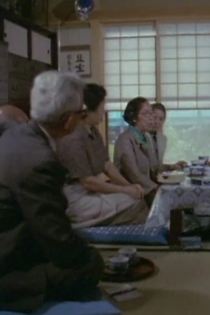
Mura No Fujin Gakkyu
Sumiko Haneda
Haneda’s debut as full director, made after four years spent as an assistant, is set in a farming village in Shiga Prefecture (east of Kyoto). The film depicts the traditional architecture, lifestyles and customs of the village, its agricultural and domestic labour, but its central focus, as with many of Iwanami’s early films, is on education.
School for Village Women, Women’s College in the Village