Eugenia Bosânceanu
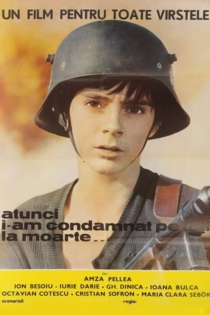
1925 - 2018Then I Sentenced Them All to Death
Sergiu Nicolaescu
Amza Pellea, Cristian Șofron
A young boy is adopted by a priest and his wife during the Nazi occupation of Romania during the Second World War. He befriends the village idiot, who's despised by everyone else. When a German is killed in the last days of the war, the village is threatened with total destruction unless the murderer is handed over. The villagers decide to hand over the idiot.
Then I Sentenced Them All to Death
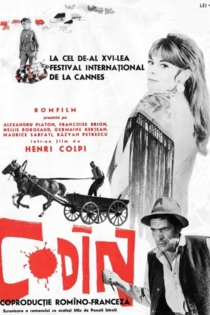
Codine
Henri Colpi
Alexandru Virgil Platon, Răzvan Petrescu
An ex-convict struggles to survive by brute force alone in a turn-of-the-century slum in Bucharest. Codine is the thug who served 10 years for murdering a friend. He returns home to his miserly mother, whose penny-pinching ways infuriate her son. A young boy looks up to Codine, and through the man's eyes he sees the economic and social injustices from an adult perspective. When Codine kills another man who violated his trust, his mother becomes more unhinged and paranoid. Thinking her son will steal her hoarded money, she plots to kill her only son. The impressionable child watches in horror and amazement at the cruel machinations of the adult work that surrounds him.
Codine
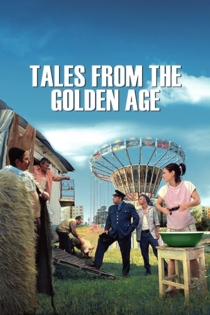
Tales from the Golden Age
Răzvan Marculescu, Constantin Popescu Jr.
Tania Popa, Diana Cavallioti
Tales from the Golden Age is composed of 6 unconventional short stories, each one dealing with the late communist period in Romania, told through its urban myths from the perspective of ordinary people. The title of the film refers to the alluded "Golden Age" of the last 15 years of Ceauşescu's regime.
Tales from the Golden Age
September
Timotei Ursu
Geo Costiniu, Anda Onesa
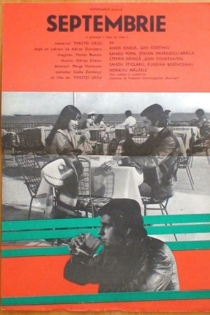
After he fails to be accepted in college, Vali is questioned by police for participating in various thefts. He needs an alibi and he thinks the best one would be his father in Bucharest. To get there, he steals a motorcycle. In Bucharest he meets store clerk Anișoara, and he invites her to a seaside escapade. Their one day of love and future optimism is ended abruptly by a tragic motorcycle accident.
September
Bless You, Prison
Nicolae Mărgineanu
Maria Ploae, Dorina Lazăr
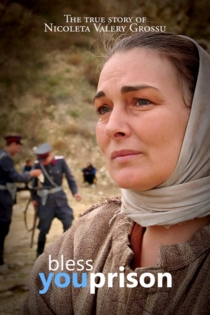
Based on Nicole Valery-Grossu's European best seller autobiographic novel "Bless you, prison", the film is a true story, with real events and characters. A young intellectual woman, Nicole is arrested. There follow three months of exhausting interrogation and isolation. Alone in a cell, she undergoes a spiritual experience similar to that of the great mystics.
Bless You, Prison
Vlashins' Leaving
Mircea Drăgan
Emanoil Petruţ, Christian Maurer
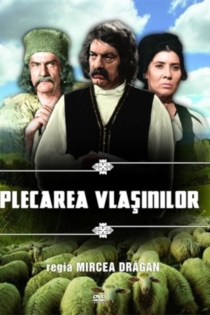
In 18th century Hapsburg ruled Transilvania the Romanian shepherds from the village of Vlașini face the oppression and injustice of imperial authorities, being forced to flee from their place of birth or pay tribute to the Germans of Hermannstadt for grazing sheep on their own pastures.
Vlashins' Leaving
Pintea
Mircea Moldovan
Florin Piersic, Nae Mazilu
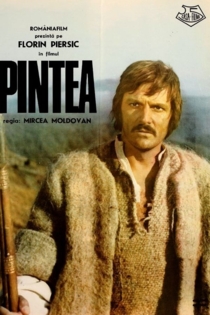
The movie is set in 18th century Maramureș region of Romania. The Romanian officer Grigore Pintea return to his village and finds out that his parents were killed, and other villagers were tortured because they protested against the unfair treatment of Bartolok Graff. He deserts the Austrian army and he becomes an outlaw. He is joined by many peasants and so his band manages to occupy 2 fortresses.
Pintea
Păcală
Geo Saizescu
Sebastian Papaiani, Mariella Petrescu
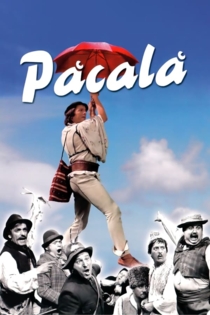
Pacala is an important hero in Romanian popular tradition. He is always making fun of everything wrong with the human behaviour such as stupidity, greed or vanity. His attitude and actions always bring damages to the mean, evil and materialistic people. So beside the jokes, the movie has this philosophical layer, undoubtedly because Pacala's independent way of being, free spirit and his love for the nature creates a way of seeing life, bringing joy. Filmed in a very beautiful part of Romania in 1974, the movie had an important success at that time and it is considered one of the most loved movies in Romania ever. Like the hero, found in many stories and jokes, the movie forwards the spirit of true freedom and pure link with the nature, forgetting about times and governments.
Păcală
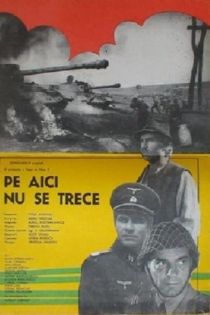
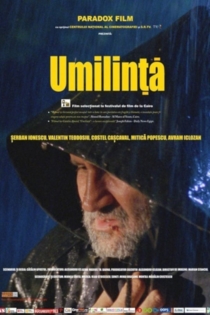
Pe aici nu se trece
Doru Năstase
Silviu Stănculescu, Vlad Rădescu
The film follows the stories of a handful of characters: Andrei (Radescu), who finds himself in conflict with his peers; Colonel Maxineanu (Stanculescu), the school commander; and Adrian (Mavrodineanu), a young villager who is inspired by the bravery of the cadets. The Hungarians arrive and launch a series of attacks against the Romanians. The Axis are pushed back again and again, despite superior numbers and weaponry. At the end of the film, they launch one last attack, which seems to momentarily begin breaking through. Just at that moment, reinforcements from the Soviet and Romanian armies arrive, pushing the Hungarians back.
No Trespassing
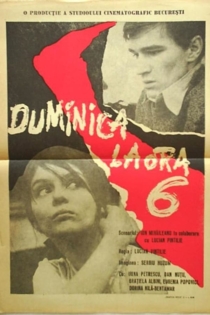
Duminică la ora 6
Lucian Pintilie
Irina Petrescu, Dan Nuțu
Romania, 1940. A boy meets a girl. They fall in love without suspecting anything about their real identities. They chose an eventful, tense and dangerous life as underground anti-fascists fighters. The significance of their activity is manifest in the consequences it has on the tormented progress of their love. Reality is against it. Two parallel lines which meet for a second, only to drift apart for ever.
Sunday at Six
Sieranevada
Cristi Puiu
Mimi Brănescu, Eugenia Bosânceanu
Back from a professional trip to Paris, a neurologist at the pinnacle of his career has to pick up his wife so that they can attend a family meal to commemorate his father, who died a year before. At his mother's flat, the guests are waiting for the priest to arrive while arguing about all kinds of things connected and unconnected with the world’s events and wars.
Sieranevada