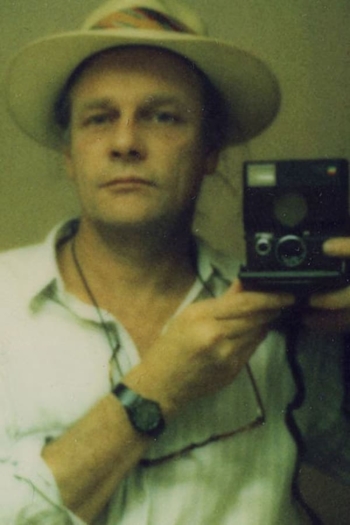
Robby Müller
1940 - 2018Müller's first work as a cinematographer was also Wim Wenders' first as director, Alabama: 2000 Light Years. They went on making many more films together such as Summer in the City, The Goalie's Anxiety at the Penalty Kick, The Scarlet Letter, Alice in the Cities, Wrong Move, Kings of the Road, The American Friend, Wings of Desire, Until the End of the World and Paris, Texas.
Throughout the course of his career, he also worked closely with directors Jim Jarmusch (Down by Law, Mystery Train, Dead Man, Ghost Dog: The Way of the Samurai), Lars Von Trier (Breaking the Waves, Dancer in the Dark), Peter Bogdanovich (Saint Jack, They All Laughed), Barbet Schroeder (Barfly, Tricheurs) and Hans W. Geissendörfer (Jonathan, The Glass Cell, Carlos, The Wild Duck, Der Fall Lena Christ, Die Eltern).
Müller's other work has been on both mainstream productions and independent films, including the hazy, yellow-tinted cinematography of William Friedkin's To Live and Die in LA, Alex Cox's Repo Man, Michael Winterbottom's 24 Hour Party People, Andrzej Wajda's Korczak, Jerry Schatzberg's Honeysuckle Rose, Peter Handke's The Left Handed Woman, Sally Potter's The Tango Lesson, Dom Rotheroe's My Brother Tom and Steve McQueen's Carib’s Leap.
Paul Thomas Anderson referred to Müller as "The master of night exteriors. Like a chef with a secret sauce. I can't quite figure it out." Barry Sonnenfeld recalls the first thing he and the Coen Brothers bonded over was Müller's The American Friend cinematography, which convinced the brothers that Sonnenfeld had good enough taste to shoot their first film (Blood Simple).
Müller died on 3 July 2018, aged 78, having suffered from vascular dementia for several years.
Counterfeit World: Making 'To Live and Die in L.A.'
Michael Arick
William Friedkin, William Petersen
The magic and creation behind the making of William Friedkin's classic action film To Live and Die in L.A. (1985). It follows cast, crew and the director several years after the film sharing their experiences while working on the project, also including footage from the shooting, and they discuss in detail the conception of the most spectacular scenes filmed there and also the great debate about the different endings developed for the film.
Counterfeit World: Making 'To Live and Die in L.A.'

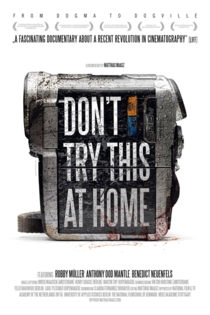
From Dogma to Dogville: Don't Try This at Home
Matthias Maaß
Robby Müller, Anthony Dod Mantle
A documentary with the three cinematographers known for breaking away cinema away from celluloid with the introduction of digital video.
From Dogma to Dogville: Don't Try This at Home
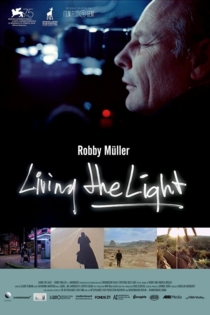
Living the Light: Robby Müller
Claire Pijman
Robby Müller, Wim Wenders
For her extraordinary film essay, Living the Light, Director and Director of Photography Claire Pijman had access to the thousands of Hi8 video diaries, pictures and Polaroids that Müller photographed while he was at work on one of the more than 70 features he shot throughout his career; often with long term collaborators such as Wim Wenders, Jim Jarmusch and Lars von Trier. The film intertwines these images with excerpts of his oeuvre, thus creating a fluid and cinematic continuum. In his score for Living the Light Jim Jarmusch gives this wide raging scale of life and art an additional musical voice.
Living the Light: Robby Müller
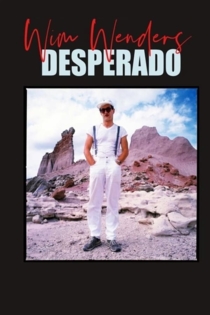
Wim Wenders, Desperado
Eric Friedler
Wim Wenders, Francis Ford Coppola
"Wings Of Desire" and "Buena Vista Social Club", "Paris, Texas" and "The State Of Things": Wim Wenders is considered one of the pioneers of New German Cinema and one of the most important and influential representatives of contemporary cinema. With never before shown archive material and extraordinary encounters with companions and contemporary witnesses such as Francis Ford Coppola, Willem Dafoe, Andie MacDowell, Hanns Zischler, Patti Smith and Werner Herzog, this documentary provides unique insights into the life and work of one of the most multifaceted artists of our times. Renowned documentary filmmaker Eric Friedler ("It Must Schwing. The Blue Note Story") and his co-director Andreas Frege were given the exclusive opportunity to portray Wenders for this film. From Dusseldorf to Paris, and all the way to the desert of Texas, the film traces iconic locations and decisive moments in Wenders' work as director, producer, photographer and author.
Wim Wenders, Desperado
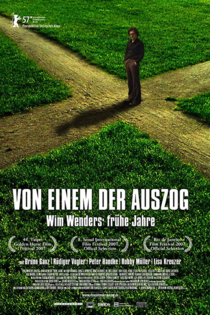
Von einem der auszog - Wim Wenders' frühe Jahre
Marcel Wehn
Wim Wenders, Donata Wenders
The early films of Wim Wenders are now regarded as landmarks of European film. Alice in the Cities, Wrong Move and Kings of the Road became foundations of the German New Wave and cemented the reputation of their director. In One Who Set Forth: Wim Wenders' Early Years Marcel Wehn explores the background to these films. Through personal recollection and rare home movie footage, it documents the director's early life, from experiments with his first camera, via his deviation from a career in medicine in favour of art and film, through to international recognition for the Road Trilogy. Central to these were themes that became cornerstones of all his work: national identity, the importance of personal relationships and the allure of the road. With contributions from the director and the many collaborators who helped define his vision, One Who Set Forth is a compelling account of Wim Wenders' life and work.
One Who Set Forth: Wim Wenders' Early Years
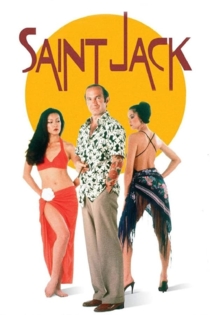
Saint Jack
Peter Bogdanovich
Ben Gazzara, Denholm Elliott
Jack Flowers is an American hustler trying to make his fortune in 1970s Singapore in small time pimping. His dreams of building a fortune by running a brothel himself and returning to the States is materialized when he is offered the opportunity by the CIA to run a brothel for the R&R activities of U.S. soldiers on leave in Singapore.
Saint Jack
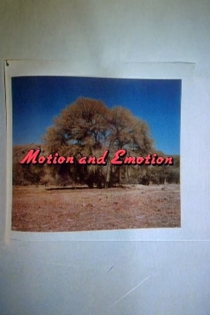
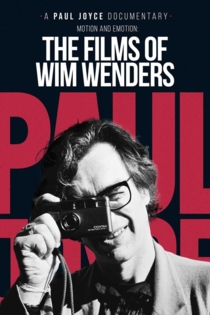
Motion and Emotion: The Films of Wim Wenders
Paul Joyce
Peter Falk, Dennis Hopper
Though very polite and British, this feature-length documentary about German filmmaker Wim Wenders offers the most penetrating insights and the best overall critique of his work that I have encountered anywhere. Paul Joyce, who directed it, has also made documentaries about Nicolas Roeg, David Cronenberg, Nagisa Oshima, and Dennis Hopper, and he knows the conventional format well enough to get the most out of it. There are good clips and interesting commentaries from the interviewed subjects, who include Wenders himself, cinematographer Robby Muller, filmmaker Sam Fuller, novelist Patricia Highsmith, musician Ry Cooder, actors Harry Dean Stanton, Peter Falk, and Hanns Zischler, and critic Kraft Wetzel, who is especially provocative. A must-see for Wenders fans, highly recommended for everyone else. –Jonathan Rosenbaum, 1989
Motion and Emotion: The Films of Wim Wenders
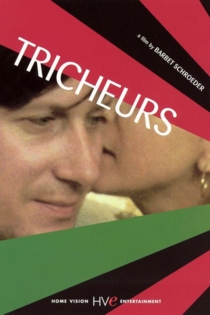
Tricheurs
Barbet Schroeder
Jacques Dutronc, Bulle Ogier
Swaying between pleasure and despair, Elric throws himself into his pathological passion for the casino. Meeting Suzie could have saved him, but the young woman also sinks into gambling hell. The couple then start getting involved in the fearsome world of professional cheaters.
Cheaters