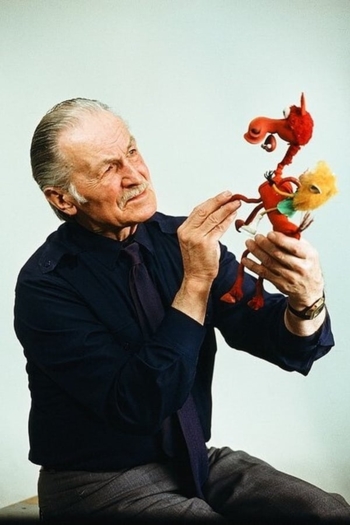
Arnolds Burovs
1915 - 2006Vanadziņš
Arnolds Burovs
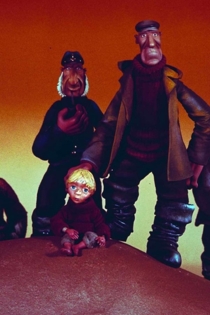
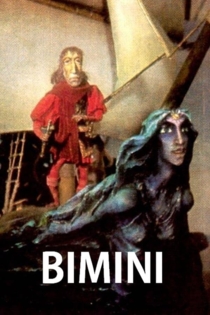
A kitten and a young boy live in a small fisherman's hut. The boy's father calls him Little Hawk. The threesome are poor but happy, and the father goes to sea every day to fish. One day, there is a storm at sea and the father doesn't come home...
The Little Hawk
Tīģeris Ņau-Ņau
Arnolds Burovs
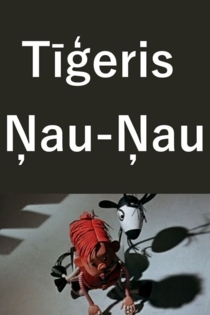
A little boy neglects his toys and treats his best friend - a red kitten - just as badly. While inventing more cruel games, the boy happens to annoy the magician, who in anger turns the boy into a doll, and the kitten grows into a wild tiger in the eyes of his tormentor. It is not easy to escape the beast and make everything fall into place again.
Tiger the Cat
Ki-ke-ri-gū!
Arnolds Burovs
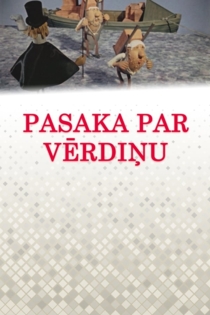
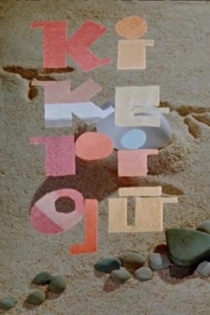
Based on themes from Latvian folk tales, Cock-a-doodle-doo! tells of how a rich man steals a magic mill from a poor farmer. Eventually the farmer wins back the mill with the help of two loyal friends – a dog and a rooster. The first stop-motion animation film by the Riga Motion Picture Studio, created by four professional puppeteers from the Latvian Puppet Theatre and directed by Arnolds Burovs. The film constituted a successful beginning for a stable and long-standing tradition and is evidence of the intuitive skills of the filmmaker required for stop-motion animation, namely, the ability to work with precision and economy of expression.
Cock-a-doodle-doo!
Puķu Ansis
Arnolds Burovs
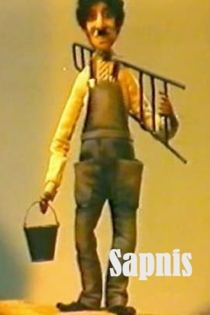
После смерти своего отца сын садовника Ансис берёт с собой нехитрый скарб, дудочку, своего черного кота и отправляется в путешествие по миру. Ансис хочет найти прекрасные редкие цветы, собрать их все в одном месте и разбить сад, который обязательно понравился бы его отцу, а поможет ему его дудочка, обладающая волшебными свойствами. Один из самых поэтических и живописных фильмов Арнольда Бьюро, в котором рассказывается о романтических представлениях о природе с самого детства самого режиссера, городского мальчика. Цветущий и цветущий мир фильма тем более впечатляет, потому что он сделан чрезвычайно лаконично в минималистском стиле 1960-х годов.
Puķu Ansis