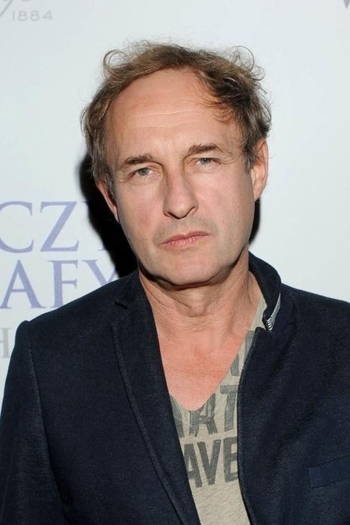
Marek Kalita
2021Śmierć Rotmistrza Pileckiego
Ryszard Bugajski
Marek Probosz, Marek Kalita
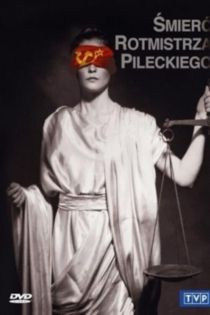
Captain Witold Pilecki was a Polish intelligence officer during WWII who volunteered for a Polish resistance operation to get imprisoned in the German Nazi Concentration and Extermination Camp Auschwitz-Birkenau in order to gather intelligence and enable the Polish government-in-exile to inform the allies about the ongoing Holocaust in occupied Poland. The film also tells the story of Witold Pilecki’s fate at the hands of the Communist government after the end of WWII. The film is a reconstruction of the trial which took place in Warsaw during the communist regime in Poland. Captain Pilecki described his investigation as more cruel than his stay at Auschwitz.
The Death of Captain Pilecki
Life Feels Good
Maciej Pieprzyca
Dawid Ogrodnik, Arkadiusz Jakubik
Mateusz is an intelligent, romantic young man tragically trapped inside his own body, suffering from severe cerebral palsy that makes speech and controlled movement nearly impossible. Born into a loving family, Mateusz’s protected world is shattered when circumstances place him in an institution where he is misunderstood and mistreated. Featuring an astonishing, virtuoso lead performance, Life Feels Good beautifully recounts the true story of one man’s extraordinary efforts to endure in the face of impossible odds.
Life Feels Good


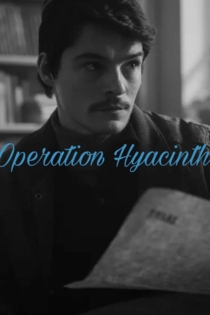
All That I Love
Jacek Borcuch
Mateusz Kościukiewicz, Olga Frycz
Follows four friends in their quest to form a punk band. As workers protests sweep across the country, Janek and Staszek, the sons of a navy man, the rebellious Kazik, and the affluent Diabel gel as a band, but their disparate lives are touched by social turmoil and outside perceptions.
All That I Love

Mug
Małgorzata Szumowska
Mateusz Kościukiewicz, Agnieszka Podsiadlik
After fun-loving metalhead Jacek is disfigured in an accident at work, he becomes the first person in Poland to receive a face transplant. This leads to his status as a media spectacle and martyr, all while battling ensuing identity issues as a consequence.
Mug

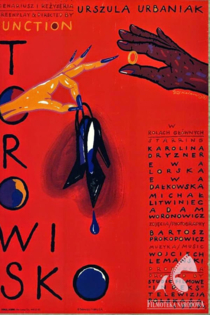
Torowisko
Urszula Urbaniak
Karolina Dryzner, Ewa Lorska
Using the backdrop of the banality and ordinariness of everyday life in a small provincial town, the film analyses the relationship between two women friends, who struggle to find their way in post-communist Poland. The small events of their lives represent universal feelings of being trapped and lost in a new world, in contrast to the successes of the dark side of democracy - drug dealing, crime and pornography. By its very nature, the film creates a picture of provincial Poland after democracy, but its charm is in the understated relationship between the two friends and the people around them and in the mosaic structure that builds up the film piece by piece.
Torowisko
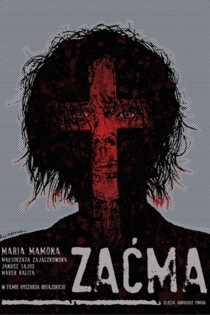
Zaćma
Ryszard Bugajski
Maria Mamona, Malgorzata Zajaczkowska
A little known episode from the life of Stalinist security police office Julia Brystiger. Her nickname Bloody Luna was a reference to her incredibly brutal methods of interrogation. In the early 1960s, she appears in a centre for the blind on the outskirts of Warsaw, a place often visited by Cardinal Wyszyński, whose imprisonment in 1953-1956 Brystiger supervised personally. During a difficult and heated discussion with the cardinal, Brystiger denounces the communist ideology and begs for forgiveness for her crimes and for guidance in her search for God.
Zacma: Blindness

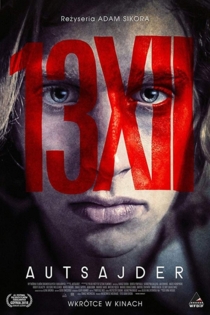
Dzień, w którym znalazłem w śmieciach dziewczynę
Michal Krzywicki
Michal Krzywicki, Dagmara Brodziak
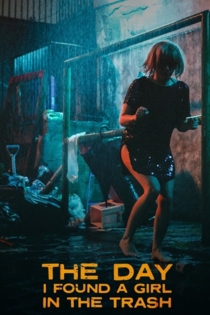
In the near future an indifferent activist announces that at midnight on New Year’s Eve he is going to commit suicide in protest against the renewed slavery system in Poland. His plan is put on hold the moment he finds an abandoned slave woman in the trash and decides to help set her free.
The Day I Found a Girl in the Trash