
Astrid Ofner
2021Jetzt und alle Zeit
Astrid Ofner
A description of a day in the life of the 'Sisters of Bethania'. The only convent of this small, contemplative congregation of Dominicans in Austria is situated in the rural remoteness of the village of Nestelbach, near Graz (Styria). Today there are eleven sisters living in a former country-castle, following the determination of their order in strict cloisterly regularity. Significant for the mystic-contemplative existence of the Bethanians are the vivid, daily mechanics and the ritualized form of their life, the sequence and the systematics of practice, introspection, (keeping) silence, change and return of the hourly prayers, of the times of daily work and chores in the house and garden and the silent presence in the chapel.
Now and for all times
Ins Leere
Astrid Ofner
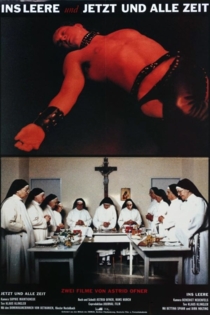
The film "Into the Emptiness" describes an example of the ritual game of "serfdom" in a "studio for bizarre eroticism". This game comprises a masochistic phantasy in which theguest assumes the role of an obedient slave and servant while the woman employed by the "studio" plays a domina who rules and punishes without mercy.
Ins Leere
Abschied von den Eltern
Astrid Ofner
Sven Dolinsky, Peter Nestler
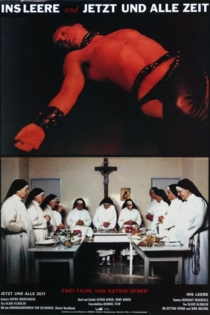
The film is based on the eponymous 1960 novel by author Peter Weiss. In this autobiographical text, the author describes the years of his childhood and youth in Germany in the 20s and 30s as well as the flight of his half-Jewish family from persecution by the Nazis. This odyssey also portrays the young first-person narrator’s struggle for his artistic existence, as he was striving to establish himself as a painter and writer. In a free, sensual essay between fiction and document, realistic description and stylised invention, the film attempts to kindle today’s flame based on the past’s, and to create a new and vibrant third work from it. (Locarno Festival)
Farewell to the Parents
Sag es mir Dienstag
Astrid Ofner
'Tell me on Tuesday', wrote Franz Kafka in a letter to Milena Jesenská. He planned to visit her on Tuesday, stopping in Vienna on the way to Prague. 'It would be most sensible to tell you today where I would like to wait for you, but I would suffocate till we met... Is there in the world, Milena, as much patience as is necessary for me? Tell me on Tuesday.' Kafka's longing to see Milena again, before he was able to spend four days with her in Vienna, was marked by delay, and a transition to written form in letters and diary entries. A trembling before and a drained after frame those days in July, 1920, the particulars of which remain a blank. Astrid Ofner matched Kafka's love letters to Milena with fragile images that permit the existence of that blank space, making it visible rather than filling it in.
Tell me on Tuesday