Paula Heredia
1957 (68 лет)The Couple in the Cage
Coco Fusco, Paula Heredia
Coco Fusco, Guillermo Gómez-Peña
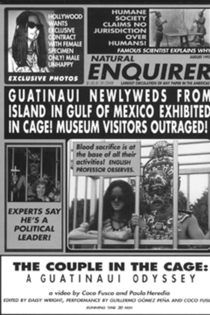
A witty satire about cultural stereotyping. In a series of 1992 performances, Coco Fusco and performance co-creator Guillermo Gómez-Peña decked themselves out in primitive costumes and appeared before the public as "undiscovered AmerIndians" locked in a golden cage - an exercise in faux anthropology based on racist images of natives. Presented eight times in four different countries, these simple performances evoked various responses, the most startling being the huge numbers of people who didn't find the idea of "natives" locked in a cage objectionable. This provocative video, directed and produced by Coco Fusco and Paula Heredia, suggests that the "primitive" is nothing more than a construction of the West, and uses comic fiction to address historical truths and tragedies.
The Couple in the Cage
Slavery and the Law
Paula Heredia
Gloria J. Browne-Marshall, Gerard Cantalupo
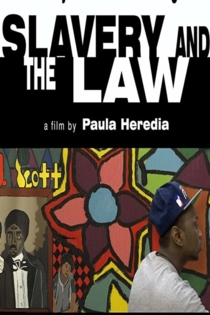
Follows a group of Brooklyn youth as they work to create a wall mural that commemorates the shift from enslavement to the Civil Rights Movement. The youth seen in the film are participants in the Youth and Congregations in Partnership (YCP), and Gender-Responsive Re-Entry Assistance Support Program (GRASP), under the office of the Kings County District Attorney. The history of slaves is discussed by distinguished professors and historians, beginning with the development of Colonial America and the slave trade. As the title suggests, the legal system is introduced in the film as the youth and professors explore the laws imposed on slaves.
Slavery and the Law
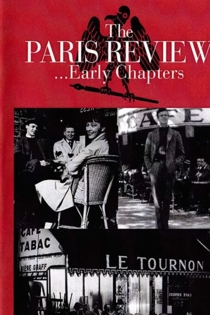
The Paris Review...: Early Chapters
Paula Heredia
In the summer of '53, an expatriated trio of young Americans founded the international literary quarterly, The Paris Review. Guided by George Plimpton, we roam the streets and cafés of Paris, glimpse the expatriate literati world of the 50s and 60s, and step into the bustling New York offices of the Review, meeting people, past and present, who remain central to this singular literary endeavor.
The Paris Review...: Early Chapters