
Oľga Sýkorová
1918 - 1976
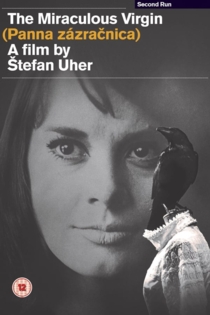
Panna zázračnica
Štefan Uher
Jolanta Umecka, Ladislav Mrkvička
A film adaptation of the novelette of the same title written by Dominik Tatarka depicts the life of a young generation of artists that was formed in Slovakia during the war. Anabella, a young and beautiful girl meets a group of artists. She awakens their erotic desires but also pure feelings of love; she becomes the object of their secret fantasies as well as their artistic inspiration. And it seems that the boundaries between reality and fantasy suddenly cease to exist.
Miraculous Virgin
Drevená dedina
Andrej Lettrich
Samuel Adamčík, Andrej Bagar
Slovak movie is based on the novel by the prominent representative of Slovak prose František Hečka, who was in 1952 awarded the State Prize. The novel and the movie successfully capture the development of Slovak village after the liberation in 1945. The narrative is centred around the characters of the old Púplava, who after the liberation begins to organise a new village life, and his struggle for the construction of settlements Mrzáčky, burnt by the fascists. It is centred around the conflict, greatly reflecting the situation of the countryside at this time: the conflict between the rural poor and the rural rich. In the movie, a rich personal and emotional life of other heroes pulsate besides the main storyline. The movie ends with the final defeat of the reactionary forces by Communists in February 1948, taking over all power in the state of workers and peasants. - "The Wooden Village" is released in celebration of the 7th anniversary of the Communist February Victory.
The Wooden Village