Ugo Nespolo
1941 (84 года)Neonmerzare
Ugo Nespolo
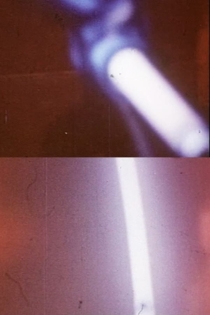
From 1967 to 1969 Ugo Nespolo made three films about three artist friends: Mario Merz, Alighiero Boetti and Michelangelo Pistoletto. Neonmerzare, featuring Merz, was shot in the gallery of Gian Enzo Sperone in Turin, in 1968. With lyrical movements, the camera tracks a series of neon tubes, establishing an ideal dialogue between the traditions of the abstract cinema of light and colour, and experimental documentary filmmaking. The symphony of lights is accompanied by jazz improvisation by the saxophonist Carlo Actis Dato. —Tate Modern
Neonmerzare
Boettinbianchenero
Ugo Nespolo
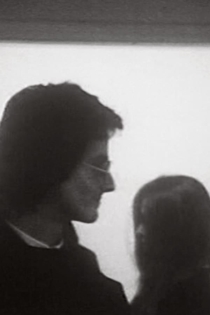
In 1967, a few months after the famous exhibition Arte povera-Im Spazio at the gallery La Bertesca in Genoa (when the critic Germano Celant defined the first guidelines of arte povera), Alighiero Boetti, at the age of 27, had a solo show at the Turin-based gallery Christian Stein. The first part the film explores the works assembled with iron, wood and industrial materials (Eternit, camouflage fabric, enamel paint), then shifts to the reactions and relations with the works of the audience at the opening (the artists Michelangelo Pistoletto, Mario Ceroli and Giulio Paolini, and the dealer Gian Enzo Sperone are recognisable). The black and white images are accompanied by a saxophone improvisation by Carlo Actis Dato. —Tate Modern
Boettinbianchenero
Buongiorno Michelangelo
Ugo Nespolo
Michelangelo Pistoletto, Maria Pistoletto
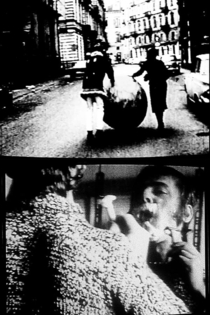
The film challenges the aura of the artwork, pushing it towards performance in urban space. During the exhibition Con-temp-l’azione (1967–68), at the three galleries Stein, Sperone and Il punto, two works by Michelangelo Pistoletto are taken out into the street. The film marks the beginning of a more militant and performative phase in Pistoletto’s career, opening up possible references to Situationism, Fluxus and nouveau réalisme. The film starts with Pistoletto shaving in front of one of his ‘mirrors’: the codes of everyday life and advertising burst into the scene. The large ball of newspapers roams Turin in a convertible automobile. The music of The Beatles accompanies the exploration of different filming and editing techniques. Intense, amused and brilliant, Buongiorno Michelangelo suggests a performative, cooperative and perhaps also playful aspect of the attitude of this short and intense period. —Tate Modern
Good Morning, Michelangelo