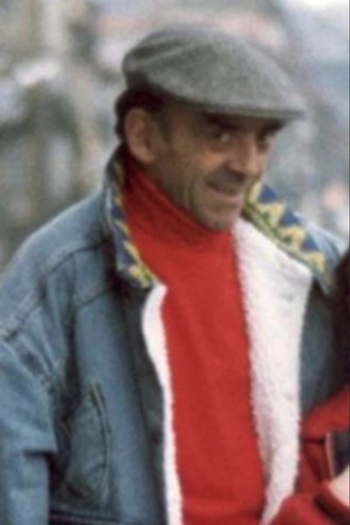
António Reis
1927 - 1991Description above from the Wikipedia article António Reis, licensed under CC-BY-SA, full list of contributors on Wikipedia.
Painéis do Porto
António Reis, César Guerra Leal
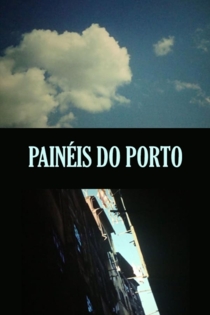
Made by commission of the Porto City Council, Panels of the Porto is a visual essay on the city, gathering sequences filmed between the river and downtown, commented with the reading of poems by authors like Vasco de Lima Couto, Egito Gonçalves, Rosália de Castro, Pedro Homem de Mello, Fernando Pessoa, and António Reis himself, with music by Francisco Rebelo.
Painéis do Porto
Ana
Margarida Cordeiro, António Reis
Ana Maria Martins Guerra, Octávio Lixa Filgueiras
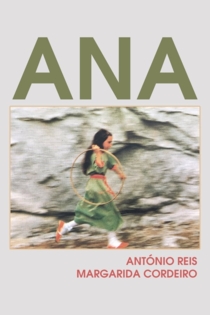
Ana is a young Portuguese girl who lives with her grandmother. Through their relationship, we are witness to the Cycle of Life: Grandmother takes care of granddaughter until granddaughter is obliged to do same for grandmother. The scenes between the two protagonists are counterpointed with impressionistic camera compositions based upon famous religious paintings.
Ana
Trás-os-Montes
Margarida Cordeiro, António Reis
Albino S. Pedro, Carlos Margarido
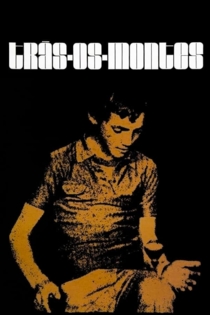
Reis and Cordeiro’s undisputable masterpiece exploded the meaning and possibilities of ethnographic cinema with its lyrical exploration of the still resonant myths and legends embodied in the people and landscapes of Portugal’s remote Trás-os-Montes region.
Trás-os-Montes
Rosa de Areia
Margarida Cordeiro, António Reis
Francisco Nascimento
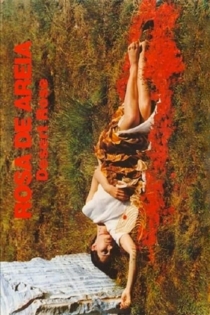
Marking a stylistically and philosophically turn away from the earlier features, The Sand Rose is Reis and Cordeiro’s most abstract, conceptual and literary work. The film’s collage structure gathers texts from multiple sources – including Kafka and Montaigne – and crafts a world of theatrical artifice far from the documentary inspired naturalism of Ana and Trás-os-Montes. Reis and Cordeiro’s least known film has lingered in obscurity and never recovered from the unfairly negative reviews that resulted in its severely limited release. Reis died less than two years later, just as he and Cordeiro were about to begin an ambitious adaptation of Juan Rulfo’s Pedro Parámo. - Harvard Film Archive
Rosa de Areia
Do Céu ao Rio
António Reis, César Guerra Leal
Fernando Pessa
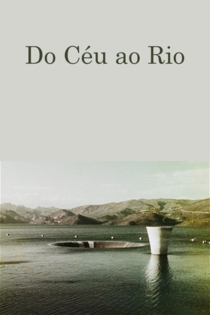
This short film, probably commissioned by the Hidro-Eléctrica do Cávado, shows several aspects of the dams’ network construction in that hydrographic basin, with a commentary read by Fernando Pessa. “Do céu ao rio” was premiered at the Odéon cinema in Lisbon, on January 29, in 1964, but it is in a more fragile heritage situation since its original image negative is not located.
Do Céu ao Rio