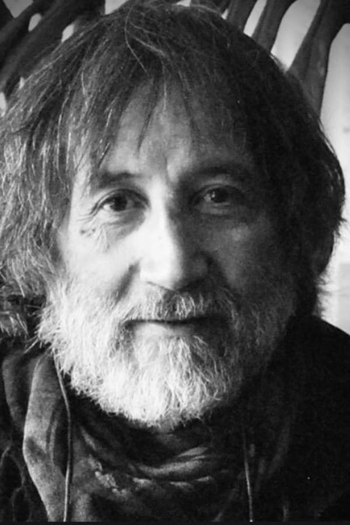
Pocho Álvarez
1953 (72 года)Gartelmann la memoria
Pocho Álvarez
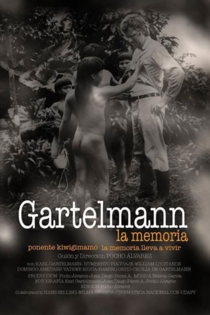
Karl Dieter Gartelmann, a German photographer and filmmaker, arrived in Ecuador in the seventies, in the midst of the oil boom, with an old 16mm Bolex video camera, and began a journey through the Ecuadorian jungle, collecting the visual testimony of a life that is dying. This documentary brings together the director's permanent concerns: culture and nature wasted by extractivism. A conversation between two directors about the creation of memory through cinema.
Gartelmann la memoria
Tóxico, Texaco, Tóxico
Pocho Álvarez
Diana Borja
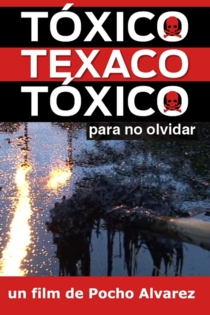
The imagination of history in Ecuador never thought that oil, “its redeeming hope”, discovered in the Lago Agrio No. 1 well, was going to mean the beginning of the worst environmental catastrophe on the planet. Thirty years of operation and exploitation of the Texaco company, forever transformed the rivers and estuaries, the forests and the life of the indigenous communities in the northern Amazon of Ecuador.
Tóxico, Texaco, Tóxico
Javier con i, Íntag
Pocho Álvarez
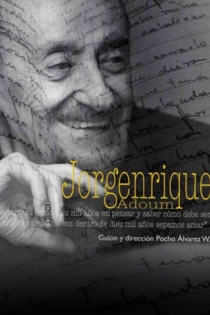
On April 10, 2014, the environmental activist and president of the Junín community, Javier Ramírez, was arrested and sentenced to ten months in prison for the crimes of “rebellion, sabotage and terrorism”. A few days later, the National Mining Company entered the area accompanied by a squad of at least 200 policemen to carry out studies related to the Llurimagua mining project, in the Íntag cloud forest. Javier with I, Íntag collects Javier Ramírez's reflections after his release, his feeling of condemned innocence, the pain of living in a divided, busy and frightened community, with its social fabric destroyed.
Javier con i, Íntag

Piel Dolor
Pocho Álvarez
Piel dolor (Skin Pain) explains how power is structurally sustained in violence. Its nature and the relationships it establishes in society are based more on the imposition and use of force than on building consensus, dialogue, and respect for diversity. In that sense, power is a behavior that seeks dominance through force and man as a gender, becomes an instrument of violence that is exercised against the weakest. Extinguishing the socially constructed violence means eliminating the current power and its historical sustenance, questioning the source of origin, religion, ideology, the system and its values. Is that utopia possible?
Skin Pain