Tomás Lipgot
2021
Moacir III
Tomás Lipgot
Tomás Lipgot, Moacir dos Santos
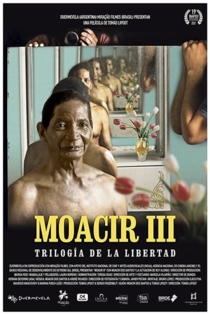
The third and last part of the trilogy where we see Moacir as a film director: the film and the scenes that Moacir conceives and shoots - scenes entertained, tragic, dramatic and romantic - with its particular cinematic and aesthetic style. On the other hand, we see the behind the scenes of the construction of this film: a documentary that shows Moacir conducting his fictions, in everyday familiar situations.
Moacir III


El árbol de la muralla
Tomás Lipgot
Jack Fuchs
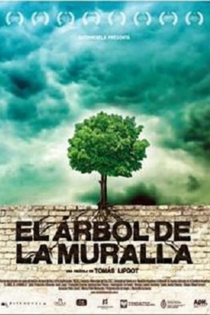
Jack Fuchs is one of the last Holocaust survivors who currently lives in Buenos Aires. With a serene face, relaxed tone and intelligent humor, it is difficult to connect this Pole with that man who was imprisoned for years in concentration camps, including Auschwitz, and who lost his entire family in World War II. Despite the pain, and after 40 years of silence, Jack offers talks and conferences, receives visitors and cooks for his family and friends. Using animation and images filmed by Fuchs himself as resources, the new documentary by Tomás Lipgot composes the portrait of a survivor of the Nazi genocide who, at almost ninety years old, surprises with his lucidity and enchantment.
El árbol de la muralla
Moacir y yo
Tomás Lipgot
Moacir has died, but he’s able to live in images and in Tomás Lipgot’s heart. The director cannot abandon his unforgettable character yet, and so he embarks on a farewell that is also some sort of personal journal made with all the warmth and care in the world.
Moacir y yo

¡Viva el palíndromo!
Tomás Lipgot
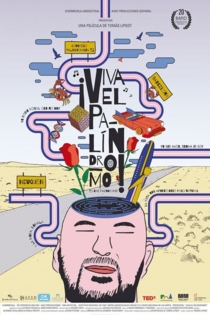
“Neuquén,” “Eva, can I stab bats in a cave?”... We know about those. What perhaps we don’t know is that there are fans that have turned palindromes into the passion of their lives. A happy journey through four countries, with dozens of men and women for whom the beauty of words lies in symmetry.
To the palindrome!
Ricardo Becher, Recta Final
Tomás Lipgot
Ricardo Becher, José Campitelli
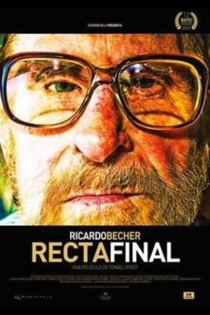
The filmmaker, writer and teacher-teacher Ricardo Becher likes extreme decisions, both in his life and in his work. Now, at 80 years of age, he begins a new book called “Recta Final”, about his geriatric experience. Lipgot portrays the present of the filmmaker, at the same time that he reviews his history, from his first shorts and the collaboration with Torre Nilsson, passing through the fundamental "Shot of Grace" (1969) - a film that defied its time and was censored -, leading to the new movement that Becher founded with his students: digital neo-expressionism
Ricardo Becher, Recta Final