Mariella Navale
2021Dei
Tonino De Bernardi
Mariella Navale, Pia Epremian
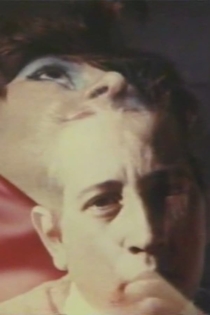
The construction of the film is very simple. Most of the time we see faces in close-up. Three pairs of faces, usually, on three different levels of superimpositions. At first, the faces are very theatrical, made-up. It's not clear whether they are men or women. They move only slightly. They are, indeed, godlike. As the film progresses, very unnoticeably, these faces begin to gain more life and masculine and feminine qualities. At the end of the film, after three hours, the faces are very real, and very human, and sexes and ages are very clearly defined: men, women, children.
Dei
O Termómetro de Galileu
Teresa Villaverde
Tonino De Bernardi, Mariella Navale
A whole summer long, Portuguese filmmaker Teresa Villaverde stayed with Italian cult director Tonino De Bernardi, who was working on projects including a film version of Sophocles’ Electra starring only local villagers. She sits at the table with the family in their garden, on the back seat of the car on the way home in the evening or listens to the stories told by the woman De Bernardi buys cheese and eggs from.
Galileo’s Thermometer
Ifigenia in Aulis
Tonino De Bernardi
Alcmene Kirìkou, Christos Karavas
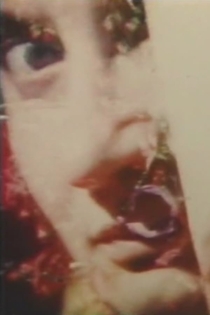
Italian director Tonino De Bernardi, a regular guest at IFFR, filmed on the Greek island Evia (or Euboea) during the refugee crisis. Many immigrants arrived on the Greek islands, as well as in Italy. De Bernardi also filmed the border town Ventimiglia, where refugees play football and queue up for aid in a parking lot.
Ifigenia in Aulide
Ed è così. Circa. Più o meno.
Tonino De Bernardi
Franco Chiapino, Adelina Capone Chiapino
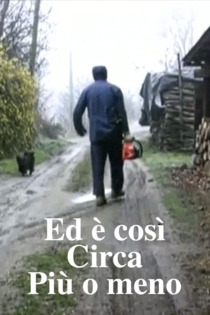
A film in seven chapters. A documentary overwhelmed by life. A story with no plot. A trip. From the countryside to cities, from Italy to India to Greece. Through the ages and generations, through the work of farmers and the exploitation of migrant bodies. In the end, the singing and music lead you elsewhere, to the pleasure of discovery.
Ed è così. Circa. Più o meno.
Lune
Tonino De Bernardi
Adamo Vergine, Angela Rolando
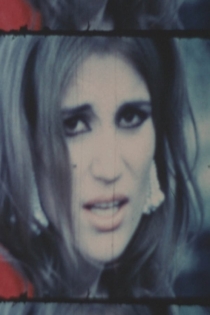
Lune (Moons) is a fragment from Cronache del sentimento e del sogno (Chronicles of the Sentiment and the Dream) and consists of a series of images-in-images of faces and bodies. It is a study of the significance of the face, movement and the character of (photographic) light.
Lune