Keiko Tsushima
1926 - 2012
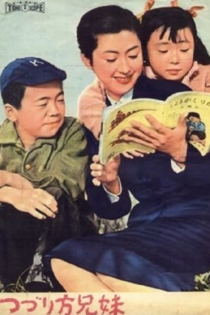
つづり方兄妹
Seiji Hisamatsu
Takao Zushi, Masao Oda
Трогательная история о маленьком Футяне и его сестрёнке Матико. Родители ребят очень бедны, но дети не унывают — они вместе бегают в школу и находят много интересного в жизни. Дети любят литературу и хорошо пишут сочинения. Услышав, что объявлен всемирный конкурс на лучшее сочинение, они решают принять в нём участие и пишут сочинение о том, что их школу хотят снести, а на её месте хотят построить военный завод, о том, как трудно живётся их родителям, как они бедны, но никогда не теряют бодрости духа и надежды. Сочинение ушло в Москву, и ребята с нетерпением ожидают решения. Но Футян не дождался ответа, он простудился и тяжело заболел. А так как на его лечение не было денег, маленький Футян умер, а вскоре пришёл и ответ — сочинению брата и сестры присуждена первая премия.
The Child Writers
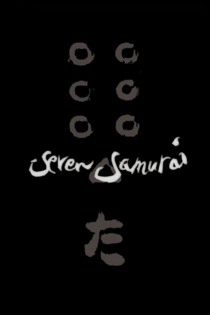
七人の侍
Akira Kurosawa
Toshirō Mifune, Takashi Shimura
A samurai answers a village's request for protection after he falls on hard times. The town needs protection from bandits, so the samurai gathers six others to help him teach the people how to defend themselves, and the villagers provide the soldiers with food.
Seven Samurai
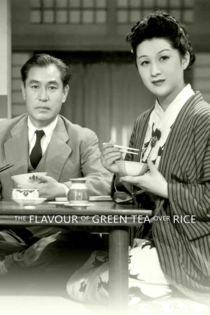
お茶漬けの味
Yasujirō Ozu
Shin Saburi, Michiyo Kogure
Takeo, a capricious wife from Tokyo high society, is bored by her dull husband, a quiet and reliable company executive raised in the country. After a crisis, she understands better his true value. A parallel sub-plot shows her niece rebelling against the tradition of arranged marriages.
The Flavor of Green Tea Over Rice
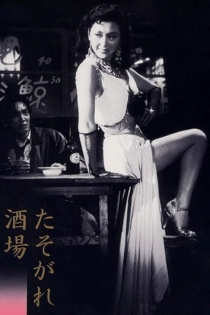
たそがれ酒場
Tomu Uchida
Daisuke Katō, Eijirō Tōno
Takes place in one place, a beer hall, over the course of one evening. Uchida employs this concentration of setting and time to fashion a microcosm for a group portrait of Japan. One by one, the regulars of the bar appear: the pianist who dreams of becoming a composer but has disappeared from the music world after a knifing; a stripper who had planned to be a ballet dancer; an elderly painter trying to make a living at pachinko, and who rues his art having been used for militarist propaganda during the war; a young waitress considering elopement; a colonel turned real estate broker who attempts to rouse the crowd in military song until he realizes the tune has been transformed by marchers in the street into a leftist chant. The "twilight" is more than just a time of day; here, it is a state of being, a suspension between past and present, between the camaraderie of the saloon and the harsh world outside.
Twilight Saloon
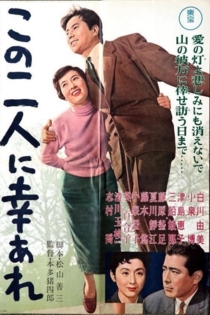
安城家の舞踏会
Kōzaburō Yoshimura
Setsuko Hara, Yumeko Aizome
After Japan's loss in the war, the wealthy, cultured, liberal Anjo family have to give up their mansion and their way of life. They hold one last ball at the house before leaving. The seemingly cold, cynical son secretly grieves for his defeated father and the values that the war destroyed, while the daughter tries to prevent father from taking his life and to find her own place in the new Japan.
The Ball at the Anjo House

Tonkatsu taishô
Yūzō Kawashima
Shūji Sano, Etsuko Miyama
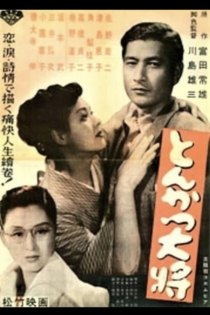
It chronicles the experiences of a neighbourhood doctor, whose taste for tonkatsu (a popular Japanese dish, similar to a pork schnitzel) earns him the nickname ‘the pork cutlet prince’ (‘Tonkatsu Taisho’, the film’s Japanese title) from the affectionate residents of the tenement in which he lives. When a local hospital, run by a female doctor, plans to expand, the future of the tenement is called into question.
Our Chief, Our Doctor
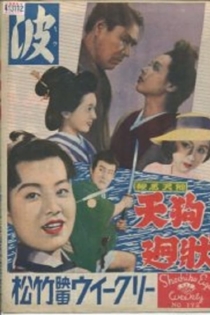
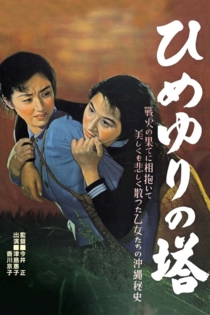
ひめゆりの塔
Tadashi Imai
Keiko Tsushima, Eiji Okada
A group of Okinawan high school girls are drafted as nurses during the American invasion of the island. As the enemy army advances further, the situation for the girls becomes increasingly desperate as food and shelter run out and the number of injured climbs, leading to the film's tragic finale.
Tower of Lilies