Jamal Belmejdoub
1956 (69 лет)Born in SidiKacem in 1956, Jamal Belmajdoub studied film at the Art Institute and the
Diffusion of Brussels (Belgium) and worked as a film critic;
Writer, he participated in writing the script of Moroccan films including "Women ... and
women "by Saad Chraibi (1998) and" Stolen Childhood"by Hakim Noury;
His directing career began with his shorts, "a less" (1994), "Man of Straw" (1996) and "Holy
Night" (1998). The latter won the prize of the press in National Film Festival in 1998.
Author of three feature films: "Yacout" (2000) who won three major awards at the Festival
of African Cinema of Khouribga in 2000, including Best Actor and feminine, "Morrocan
Dream" (2007) and "Meghiss" (2010);
For television, Jamal Belmajdoub has made TV films of the various issues.
Yacout
Jamal Belmejdoub
Fatima Khair, Mohammed Miftah
Moulay Driss, a cultured and quick-witted man, silently dedicates an unlimited love to his cousin, the beautiful Yacout. He is forbidden to confess his love for fear of displeasing him because of his hunchback and his one-eyed eye. As Moulay Driss can not even hope to seduce Yacout, he decides to help Moulay Ali, his best friend, to conquer her. Moulay Driss begins writing fiery letters to Yacout on behalf of Ali. At times, hidden behind a tree, he recites them himself to a subjugated Yacut. Yacout, who really falls in love with Moulay Driss's words, believes he loves Moulay Ali.
Yacout
القسم 8
Jamal Belmejdoub
Fatima Khair, Aziz Hattab
After her move to the high school near to her place of residence, Ms. Laila was very happy, but her educational responsibility was in class 8, a difficult one. Unfortunately, she was subjected to many inconveniences and troubles caused by two naughty students, influenced her personal life.
Class 8

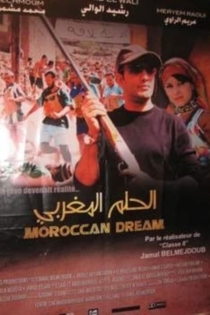
Le rêve marocain
Jamal Belmejdoub
Rachid El Ouali, Ali Asmaï
Said, a Moroccan émigré in Switzerland,arrives one day in a village in the High Atlas. He announced from the start the reason for his arrival in the village. He did not come to go sightseeing or visit family, but his reasons are professional or rather pecuniary. Said tells villagers that he has come to recruit young people who, after an accelerated training in Europe, will become future athletes like Hicham El Guerrouj. Soon the inhabitants of the village, women and children, are interested. They all dream of changing the course of their lives.
Moroccan Dream