Mattijn Seip
2021In August of 1968, Seip and Niko Paape co-founded ‘STOFF’, due to their dissatisfaction with the existing subsidy regulations. They demanded more freedom, and wanted to democratize filmmaking. STOFF emerged from a collaboration that also included other filmmakers such as Jos Schoffelen and Seip’s then-partner Barbara Meter. This collaboration was continued in Electric Cinema.
The films that Seip made in this period had a strong structuralist focus; they were films in which the properties of the film medium played the central role. Examples include Double Shutter and After the Colours from 1972.
From 1974 onwards, Seip increasingly began to focus on socially critical films. Together with Meter, he was part of the Polkin collective. In the 1980s, he directed two feature films: the short In de buik van de stad (1983) and the feature film De val van Patricia Haggersmith from 1986.
After the Colours
Mattijn Seip
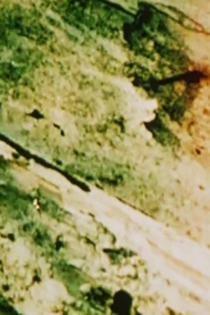
For After the Colours, Mattijn Seip filmed abstract collages of strips. The first part of the film consists of footage shot by using rotating objects that were located between the camera and the collage. The image is thus split, causing a hypnotic effect. The second part of the film consists of a single shot of collages that keep changing. The images are interrupted by shots of flat colour surfaces.
After the Colours
...And a Table
Barbara Meter
Barbara Meter, Mattijn Seip
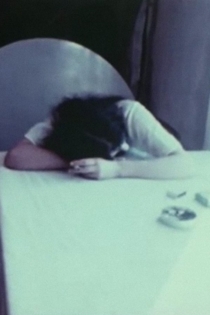
A man and a woman sit in front of a window and eat breakfast. Through the window, we see the countryside. During the day, they remain seated at the table. The settings, light, and depth of field change: slowly we learn the vocabulary of the medium. In the final shots, the camera is reflected in the windows, and we see lights being cleared away. The film itself, and not the man and woman at the table, has become the subject of the film.
...And a Table