Kassem Hawal
2021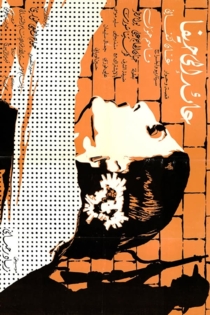
Al Ahwar
Kassem Hawal
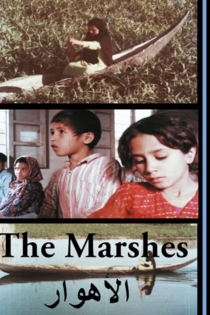
The Marshes area is a cultural extension of the Sumerian civilization by more than seven thousand years. It is the largest ecosystem of its kind in the Middle East and West Asia and constitute two-thirds of southern Iraq. In the year 1975, director Kassem Hawal decided to make a film about the Iraqi Marshes. He then wrote the script, shot the film and completed a 45 minutes documentary. But in 1985 the Iraqi regime had begun to dry it, resulting in humanitarian, cultural, environmental and natural disasters in the area with the disappearance of tens of thousands of residents, air, water and soil pollution and the extinction of countless species of birds, plants and animals. The Government have also burned the original film material, luckily, Kassem kept a copy to share it with the world.
The Marshes
Ritorno a Haifa
Kassem Hawal, Kassem Hawal
In 'Return to Haifa', Palestinian novelist Ghassan Kanafani created sympathetic characters on both sides of the 1948 conflict. Three years after completing the work, he was assassinated by Israeli forces in Beirut. In 2008, the Cameri Theater of Tel-Aviv produced a play based upon his work. For the first time, the Palestinian narrative was given a legitimate voice on mainstream Israeli stage. Our film recounts the impact of the controversial play on the Jewish and Palestinian members of the creative team and the response of mixed audiences in Israel and Washington, DC.
Return to Haifa: The Other's Story

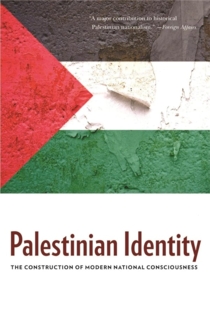
Palestinian Identity
Kassem Hawal
In 1982, Israel invaded Lebanon and occupied its capital, Beirut. The film is a rare example of a PLO film made after the PLO’s departure from Beirut. It documents the burned and destroyed cultural and educational centers from which Israelis stole films, photographs, and historical and contemporary manuscripts. It includes interviews with key members of the Palestinian cultural scene such as Mahmoud Darwish and Ismail Shammout and those in charge of cultural and educational centers that were destroyed.
Palestinian Identity