Kim Dae-jung
1924 - 2009노무현입니다
Lee Chang-jae
Roh Moo-hyun, Lee Hwa-chun
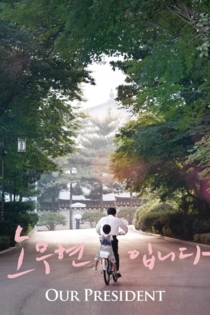
In 2002, the Millennium Democratic Party elects the first presidential candidate by introducing a popular election system. While politicians like Ki Ra-seong have joined the election, Roh Moo-hyun the very last candidate with only 2% approval, throws in his hat. This is the story of a nation and the nation he led.
Our President
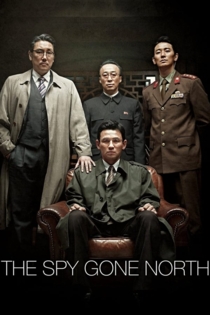
The Spy Gone North
Yoon Jong-bin
Hwang Jung-min, Lee Sung-min
South Korea, 1993. An agent of the National Intelligence Service is sent to Beijing to infiltrate a group of North Korean officials with the ultimate goal of obtaining information about their nuclear program.
The Spy Gone North
논픽션 다이어리
Jung Yoon-suk
Chun Doo-hwan, Roh Tae-woo
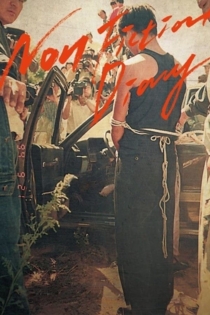
What happened in Korean society in the 1990s? The film starts with the Jijon-pa (Supreme Gangsters) case. The shocking story is narrated through the discussion by the two detectives who arrested the gangsters, of details of the roundup, data screens, and the death sentence. Nevertheless, Nonfiction Diary’s focus is not on the crime story. Starting from Jijon-pa onwards, the film reflects on the 1990s, when Korea digressed into contemporary history. The Seongsu Bridge and the Sampoong Department Store’s collapses are recalled, followed by the then-government’s punishment of the May 18 Uprising leaders, revealing the Korean legal system’s death penalty status, touching on political and power issues. The audience is reminded that today, 2013, is an extension of that same flow.
Non Fiction Diary
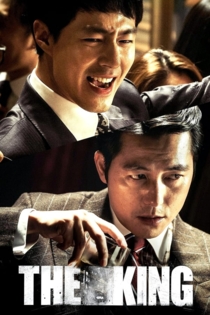
The Drug King
Woo Min-ho
Song Kang-ho, Cho Jung-seok
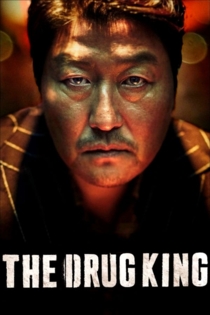
Busan, South Korea, 1970s. Lee Doo-sam is a small-time smuggler. After helping a drug gang to smuggle meth, he falls into the dark crime world. Quick-witted and full of ambition, he eventually takes over the drug underworld and starts to lead a double life: a good community leader during the day but an infamous drug lord during the night.
The Drug King