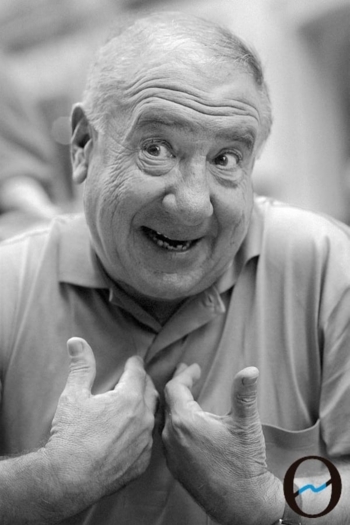
Alfredo Landa
1933 - 2013Alfredo Landa Arena born in Pamplona (Navarre), Spain. He finished his pre-university studies in San Sebastián. He then began university studies on Law, where he began to work with university school groups. He left university to work in the theater. After working as a dubbing actor for a short time in the 1950s, he debuted with his first considerable role in film in José María Forqué's Atraco a las tres in 1962. When Francisco Franco died in 1975, censorship began to disappear. This led to a growth of erotic comedies on Spanish cinema. Landa became the "sexually repressed" role of that trend, especially under directors Mariano Ozores and Pedro Lazaga. He even created his own trend, that some people called landismo.[2]
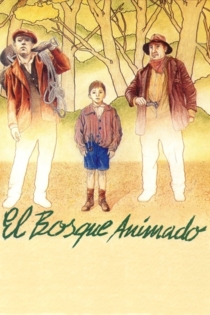
Afterwards, Landa changed his image, taking much deeper roles, like his bandit in El Bosque animado. Landa, along with Francisco Rabal, won Best Actor award at 1984 Cannes Film Festival for his memorable performance in Los santos inocentes. He is now widely recognized as a great dramatic actor. After a career with more than one hundred and twenty movies, one dozen of television series, and several stage successes, with a great amount of Spanish and European awards, 74-year-old Landa announced his retirement at the X Festival de Cine de Málaga (10th Movie Festival of Málaga) while receiving a new award. Description above from the Wikipedia article Alfredo Landa (actor), licensed under CC-BY-SA, full list of contributors on Wikipedia.
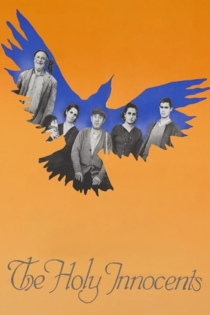
The Holy Innocents
Mario Camus
Alfredo Landa, Terele Pávez
Somewhere in the spanish country, in the 60s. Paco and his wife Régula are very poor. They work as tenant farmers for a very wealthy landowner. They have 3 children. One is backward. The others can not got to school because the master "needs" their work. When Regula's brother is fired from where he has worked for 61 years, he settles down at their little place... An attack against the archaism of the spanish country of the 60s.
The Holy Innocents

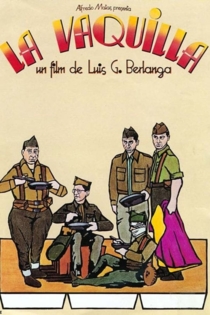
La vaquilla
Luis García Berlanga
Alfredo Landa, Guillermo Montesinos
During the Spanish Civil War a platoon of mismatched Republican soldiers cross the front-line to steal the bull that the enemy is going to fight on the local holiday of the nearby village. In addition to ruining the Nationalist faction's celebration they want the animal in order to butcher it and feed their famished troops. They get caught in the process and have to go through a series of funny and pathetic incidents before they can get back to their side.
The Heifer
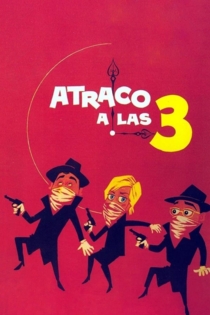
Robbery at 3 o'clock
José María Forqué
José Luis López Vázquez, Cassen
Galindo works in a bank. One day he convinces the other employees in the bank to plan a hold-up in the bank they are working. They prepare everything carefully. However, real robbers come just before the fake ones.
Robbery at 3 O'clock
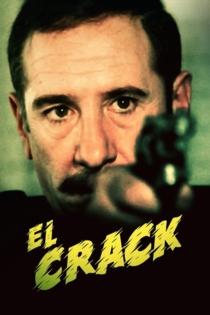
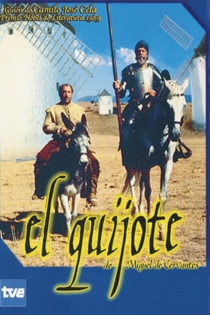
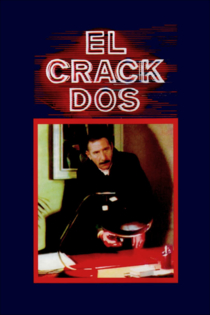
El crack dos
José Luis Garci
Alfredo Landa, María Casanova
Private detective Germán Areta el Piojo investigates the life of a gay man who has apparently abandoned his partner. When they both turn up dead, it seems one killed the other before committing suicide, but Areta is not convinced.
El crack dos
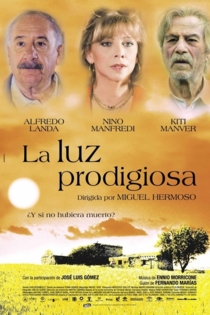
The End of a Mystery
Miguel Hermoso
Alfredo Landa, Kiti Mánver
Joaquin comes back to Granada in the eighties trying to find out about something happened when he was a child and the Spanish Civil War was going on. He helped an unknown man who survived after being executed. He finds the man, Galapago, who is now quite old, poor and with almost no memory. Joaquin takes care of him and finds hints that point to Galapago as Federico García Lorca.
The End of a Mystery
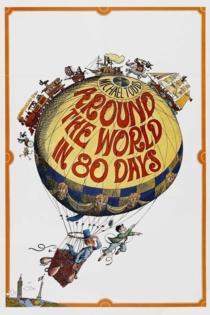
Around the World in Eighty Days
Michael Anderson
David Niven, Cantinflas
Based on the famous book by Jules Verne the movie follows Phileas Fogg on his journey around the world. Which has to be completed within 80 days, a very short period for those days.
Around the World in Eighty Days
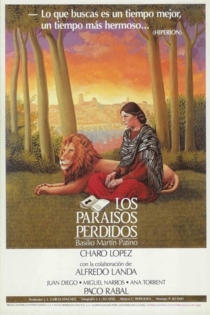
Los paraísos perdidos
Basilio Martín Patino
Charo López, Alfredo Landa
This literary film is imbued with the disenchantment of Spanish exiles who left their homes to protest Franco's fascist regime and then returned after its demise to find that democracy had not instilled either ethics or deep motivation in government leaders. Director Basilio Martin Patino presents his story, and a large part of the film is based on his own life, through the experiences of an exiled heroine played by Charo Lopez. She has returned to Spain to look for meaning in her life, something that she never found living in Germany, not even after having a child. She is also in the process of translating the German lyric poet Friederich Holderlin (see the 1985 Halfte Des Lebens) into Spanish, focusing on his epic Hyperion. Excerpts from the translation are voiced over throughout the film. As she looks up old friends from many, many years ago, even those who have achieved worldly success are suffering from the same ennui that propelled her back home.
The Lost Paradise
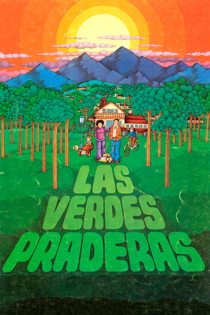
Las verdes praderas
José Luis Garci
Alfredo Landa, María Casanova
José is a happily married executive, with children, a flat in Madrid and a house in the suburbs. It's Friday and the weekend seems to follow the usual pattern: football match with mates, travel to the mountains and family visit. Nevertheless, José feels no motivated by his routine, he no longer distinguishes leisure from their obligations, all of which result in an unexpected final decision by his attentive wife.
Las verdes praderas
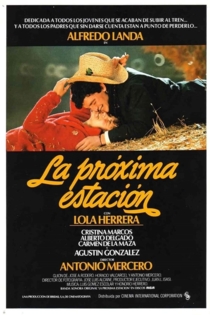
La próxima estación
Antonio Mercero
Alfredo Landa, Lola Herrera
A seventeen year old boy, the only son of a family of upper middle class, there is a night with a friend of his age. She has run away from home and he wants to stay and live with them, for in their home just burst a major family conflict. As in his ...
La próxima estación