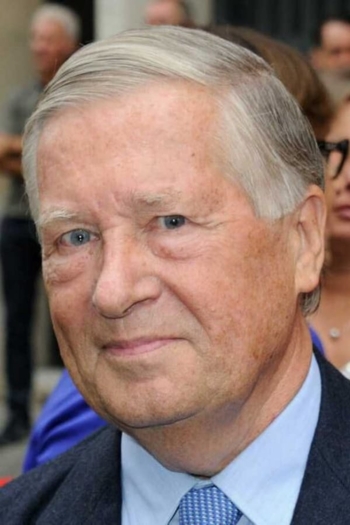
Alain Duhamel
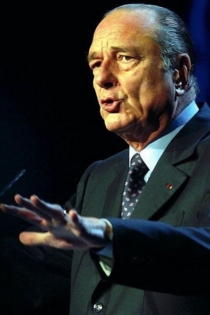
1940 (85 лет)In 1963, Duhamel started working at Le Monde. He started giving talks on Europe 1 from 1974. He has also written in Libération since 1992, and in Les Dernières Nouvelles d'Alsace.
Duhamel has also hosted several television political broadcasts: À armes égales from 1970, Cartes sur table on Antenne 2 from 1978, succeeded by L'Heure de vérité, and eventually 100 minutes pour convaincre from 2002, as well as Question Ouverte. During the French presidential election of 1995, Duhamel, along with fellow journalist Guillaume Durand, hosted the television debate between Jacques Chirac and Lionel Jospin.
Duhamel has also worked with RTL from 1999.
In 2006, Duhamel published Les Prétendants 2007, listing 20 likely contendants of the French presidential election of 2007, and notably ignoring Ségolène Royal. Duhamel persisted in denying that Royal was a likely contendant, even as she rose in popularity. He eventually included a chapter on the pocket edition of the book.
On November 27, 2006, during a talk at Sciences Po, Duhamel stated his intention to vote for François Bayrou. A video of the event was released on Dailymotion, and Duhamel was suspended from his activities at France 2 and RTL until the end of the campaign.
In 2009, Duhamel released La Marche Consultaire, a book which made comparisons between Nicolas Sarkozy and Napoleon.
Source: Article "Alain Duhamel" from Wikipedia in English, licensed under CC-BY-SA 3.0.
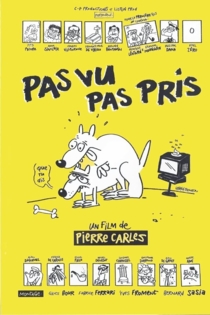
Pas vu, pas pris
Pierre Carles
François Léotard, Alain Duhamel
"Pas vu, pas pris" starts with a subject filmed 2 years ago ; ordered then forbidden to broadcasting by Canal + : it was "Pas vu à la télé". Bernard Benyamin, Henri de Virieux, Patrick de Carolis, Anne Sinclair, Charles Villeneuve (amongst others) appear before the candid camera of Pierre Carles, for once subjected to an investigation that concerns their profession. After proclaiming that there is no taboo subject on television, they discover a pirate document showing Étienne Moujeotte and François Léotard in a business discussion about the destinies of TF1. Question asked : would they have agreed to broadcast this document and if not, why not ? The investigation itself is objectively searching : anything can be said on TV except one thing, the more or less close collusion of journalists and the political powers. Pierre Carles gives us a sharp reflection on the scope of this "fourth power" that the media have become, and on the compromises of those who are its masters.
Pas vu, pas pris
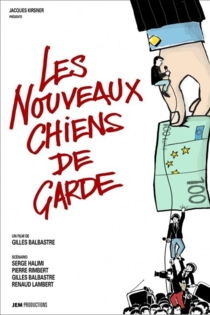
Les nouveaux chiens de garde
Gilles Balbastre, Yannick Kergoat
Renaud Lambert, Nicolas Sarkozy
In 1932, the writer Paul Nizan published "The New Watchdogs" to denounce the philosophers and writers of his time who, sheltering behind intellectual neutrality, imposed themselves as true watchdogs of the established order. Today the watchdogs are journalists, editors, and media experts who've openly become market evangelists and guardians of the social order. In a sardonic manner, "The New Watchdogs" denounces this press that, claiming to be independent, objective and pluralist, makes out it is a democratic force of opposition. With forcefulness and precision, the film puts its finger on the increasing danger of information produced by the major industrial groups of the Paris Stock Exchange and perverted into merchandise.
The New Watchdogs
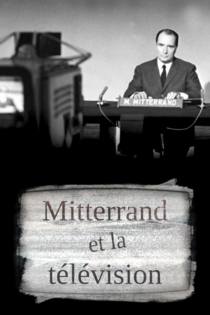
Mitterrand et la télé
Serge Moati
Serge Moati, François Mitterrand
May 10th, 1981. François Mitterrand is elected President of the Republic. The “soviet tanks” supposedly coming upon the Champs-Élysées dressed in red, feared by some, did not march. Serge Moati takes a personal look at this episode, focusing on the relationship the president had with television, that he witnessed and played a role in.
Mitterrand et la télé