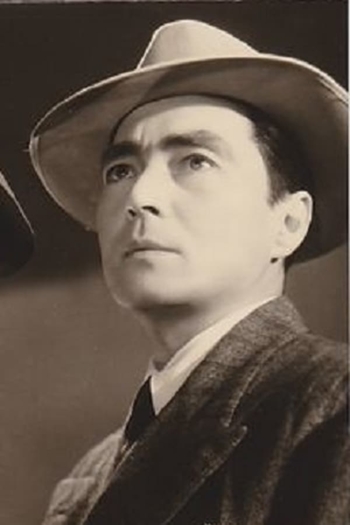
Joji Oka
1902 - 1970
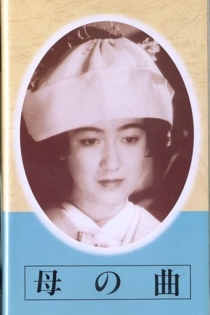
Haha no kyoku
Satsuo Yamamoto
Setsuko Hara, Joji Oka
The prewar film Haha no kyoku (Mother's Melody, 1937) is known for its place in Japanese film history as one of the top three melodramas as well as for its authorship: Yamamoto Satsuo is an auteur not usually associated with filming melodramas. Yamamoto made the film right after he moved, along with his mentor Naruse Mikio, to the Toho film company. A number of subsequent postwar mother's films adopted some of its essences, making it a genre-defining moment in Japanese cinema. This great melodrama is atypical of Yamamoto's output, much of which deals with political corruption and inequities within social institutions and offers a strong anti-establishment appeal.
Mother's Melody

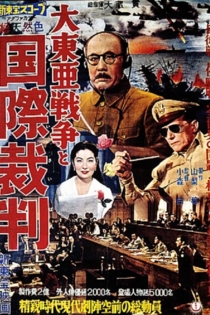
大東亜戦争と国際裁判
Kiyoshi Komori
Kanjūrō Arashi, Minoru Takada
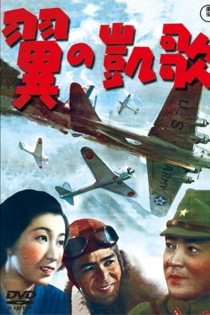
In 1941, overpopulated Japan faces an economic boycott and its armed forces push further to the south. And despite negotiations between Japan and the U. S. A. war is declared with the attack on Pearl Harbour. Victories follow for Japan on land and sea and her forces push forward to the borders of India. But gradually the tide turns in favour of the Allies and after the atom bombings of Hiroshima and Nagasaki, Japan is compelled to accept the Potsdam Declaration and by the order of the Emperor agrees to unconditional surrender. Under the supervision of the occupation forces the International Military Tribunal opens in Tokyo to try the Japanese war leaders. Established in the cause of justice, and to prevent future aggressive wars the trials drag on for two and a half years. And on December 23, 1948, General Tojo and six other war leaders mount the thirteen steps to the gallows at Tokyo's Sugamo prison.
The Pacific War and the International Military Tribunal
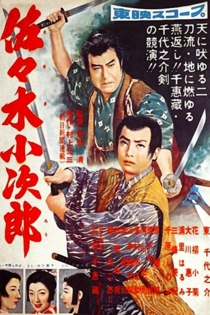
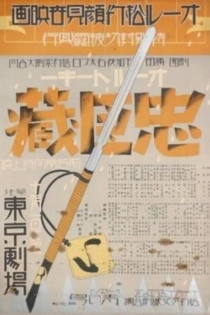
Chushingura
Teinosuke Kinugasa
Jusaburo Bando, Kazuo Hasegawa
This 1932 adaptation is the earliest sound version of the ever-popular and much-filmed Chushingura story of the loyal 47 retainers who avenged their feudal lord after he was obliged to commit hara-kiri due to the machinations of a villainous courtier. As the first sound version of the classic narrative, the film was something of an event, and employed a stellar cast, who give a roster of memorable performances. Director Teinosuke Kinugasa was primarily a specialist in jidai-geki (period films), such as the internationally celebrated Gate of Hell (Jigokumon, 1953), and although he is now most famous as the maker of the avant-garde silent films A Page of Madness (Kurutta ichipeji, 1926) and Crossroads (Jujiro, 1928), Chushingura is in fact more typical of his output than those experimental works. The film ranked third in that year’s Kinema Junpo critics’ poll, and Joseph Anderson and Donald Richie noted that 'not only the sound but the quick cutting was admired by many critics.
The Loyal 47 Ronin