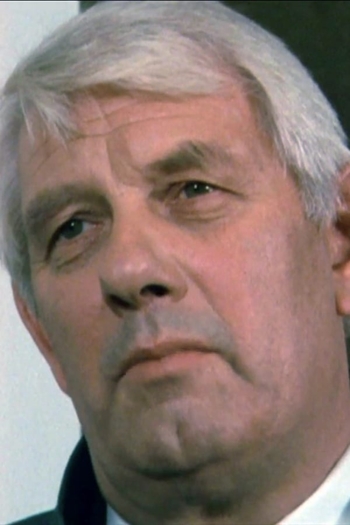
Peter Borgelt
1927 - 1994
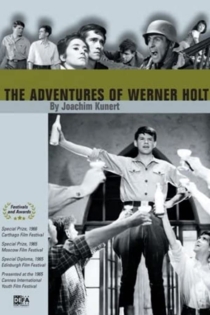
The Adventures of Werner Holt
Joachim Kunert
Klaus-Peter Thiele, Manfred Karge
Two 17-year-olds, Werner Holt and Gilbert Wolzow, are pulled out of school and into Hitler's army. Gilbert becomes a fanatical soldier; but at the front, Werner begins to understand the senselessness of war.
The Adventures of Werner Holt
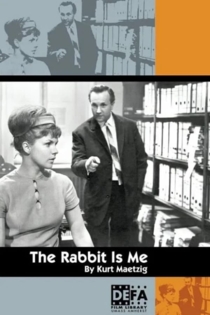
The Rabbit Is Me
Kurt Maetzig
Angelika Waller, Alfred Müller
The Rabbit Is Me was made in 1965 to encourage discussion of the democratization of East German society. In it, a young student has an affair with a judge who once sentenced her brother for political reasons; she eventually confronts him with his opportunism and hypocrisy. It is a sardonic portrayal of the German Democratic Republic's judicial system and its social implications. The film was banned by officials as an anti-socialist, pessimistic and revisionist attack on the state. It henceforth lent its name to all the banned films of 1965, which became known as the "Rabbit Films." After its release in 1990, The Rabbit Is Me earned critical praise as one of the most important and courageous works ever made in East Germany. It was screened at The Museum of Modern Art in 2005 as part of the film series Rebels with a Cause: The Cinema of East Germany.
The Rabbit Is Me
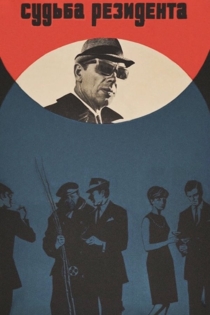
The Secret Agent's Destiny
Venyamin Dorman
Georgi Zhzhyonov, Mikhail Nozhkin
After Tulyev's arrest, Soviet counterintelligence continues the radio game with the enemy, sending encryptions signed "Nadezhda" to the Western intelligence center. KGB officer Sinitsyn, friendly towards Tulyev, tries to persuade him to take his side — he arranges a meeting to a scout with Mariya and her son, whom he has never seen before. In addition, Mikhail learns that his father didn't die of his own death, but was most likely killed. Meanwhile, a young Soviet scientist Borkov, who spoke at an international conference about his innovative work, finds himself in the spotlight of the Western security services.
The Secret Agent's Destiny
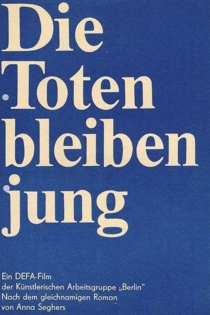
Die Toten bleiben jung
Joachim Kunert
Barbara Dittus, Klaus Piontek
A depiction of class conflicts in Germany between 1918 and 1945. The Spartacist Erwin is shot by officers in 1918, and his pregant working-class bride Marie begins a new relationship with social democrat Geschke. Erwin's son Hans grows up to be a communist like his father, leading to bitter hatred between him and his Nazi step-brother, while Geschke becomes increasingly resigned to the political situation in Germany. The three aristocratic officers who shot Erwin many years ago meet again during the Kapp Putsch, but their support for the Third Reich eventually leads each to their deaths.
Die Toten bleiben jung
12 Uhr mittags kommt der Boss
Siegfried Hartmann
Peter Borgelt, Rolf Herricht
Фильм, как и многие другие детективы, начинается с дорожного происшествия. В автокатастрофе погибает водитель и сгорает машина. Полиции зацепиться не за что, да и незачем, если бы не одно "но"... На следующий день произошло нападение на охранника автостоянки, куда отбуксировали полусгоревшую машину. Так начинается противостояние полиции с бандой контрабандистов золотом (или, по нашему, с "расхитителями социалистической собственности"), во главе которой стоит неуловимый и хитроумный босс. Немного стрельбы, немного погони, чуток драк. Всё как полагается. Зло будет наказано.
The boss will come at 12 o'clock

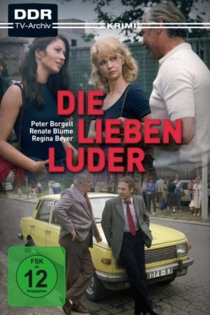
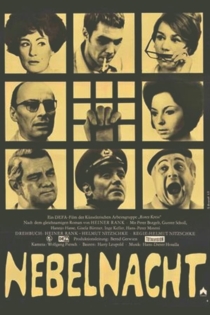
Nebelnacht
Helmut Nitzschke
Peter Borgelt, Hans-Peter Minetti
When a motorcyclist dies in an accident, lieutenant Kreutzer and his colleague Arnold receive the order to investigate the backgrounds of this mysterious case. Although the leads point to murder, head physician Dr. Nikolai, the driver of the car involved in the accident, maintains his innocence and even has an alibi. With a lot of arduous detail work, Kreutzer follows all leads and evidence. Both Nikolai’s colleagues and his son act suspiciously. Eventually, Kreutzer convicts the criminal who secretly used the physician’s car for his criminal dealings.
Nebelnacht