Kinuyo Tanaka
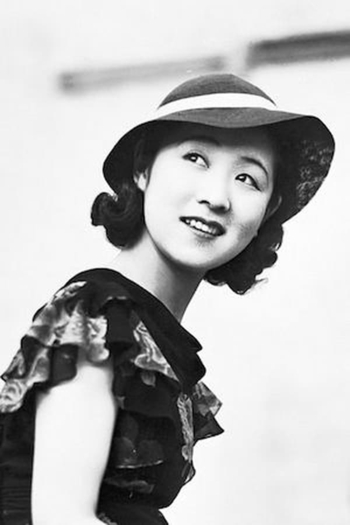
1909 - 1977Kinuyo Tanaka (田中 絹代 Tanaka Kinuyo, 29 November 1909 – 21 March 1977) was a Japanese actress and director.
Tanaka was born in Shimonoseki, Yamaguchi Prefecture, Japan. She became a leading actress at an early age, appearing in Yasujirō Ozu's I Graduated, But... in 1929. The following year she played the lead in Aiyoku no ki, and in 1931 she appeared in Japan's first talkie, The Neighbor's Wife and Mine, directed by Heinosuke Gosho.
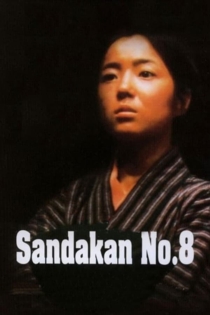
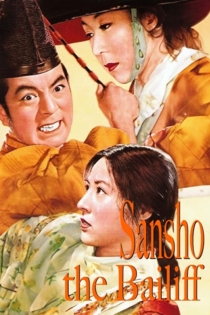
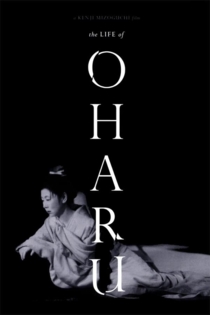
She had a close working relationship with director Kenji Mizoguchi, having parts in 15 of his films, including leading roles in The Life of Oharu (1952), Ugetsu (1953) and Sansho the Bailiff (1954). Their working relationship ended when Mizoguchi countered a recommendation from the Directors Guild of Japan for the Nikkatsu studio to hire her as a director. Despite this, the production of her second film as director went ahead, but Tanaka never forgave Mizoguchi, and the reasons for his behaviour are unclear. She also played Noboru Yasumoto's mother in Akira Kurosawa's Red Beard (1965). For her portrayal in Kei Kumai's Sandakan N° 8 she won the Best Actress Award at the 25th Berlin International Film Festival in 1975.[2] Her last screen appearance was in 1976 in Kei Kumai's Kita No Misaki.
Tanaka was the second Japanese woman who worked as a film director, after Sakane Tazuko (1904‐1975). Her first directing job was on the film Love Letter in 1953, and she made five further films in that role.
Description above from the Wikipedia article Kinuyo Tanaka, licensed under CC-BY-SA, full list of contributors on Wikipedia.
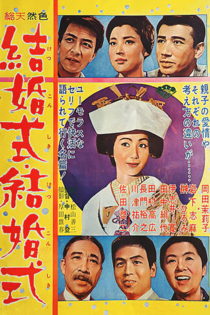
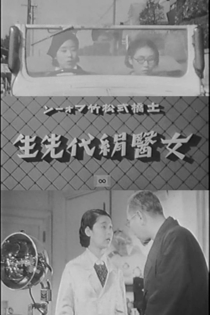
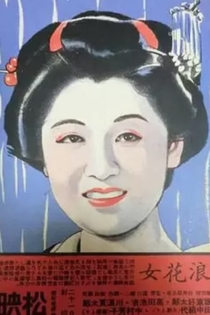
女医絹代先生
Hiromasa Nomura
Kinuyo Tanaka, Takeshi Sakamoto
Kinuyo is a daughter of doctor of Chinese medicine, and Yasuo is a son of surgeon. Their families always fight like cat and dog. This relationship is ancestral. Although Kinuyo and Yasuo love each other, they have different thoughts toward treatments.
Joi Kinuyo sensei
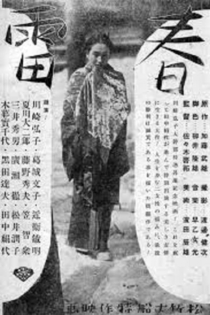
春雷
Keisuke Sasaki
Daijirō Natsukawa, Kōji Mitsui
Eiko is an innocent young lady born into a wealthy family with nothing to offer. She was good at singing, and lived her life playing around with her cronies, organizing music concerts and so on. However, things change when her father's business fails and she was suddenly thrown out into the world without any foundation. Eiko has no one to support her after she loses her social status, and her only tutor, Shinnosuke (Natsukawa Daijiro) was the only one who was sincere. Eiko is a stickler for using everything she can get her hands on, and she quickly moves into Shinnosuke's house.
Spring Thunder

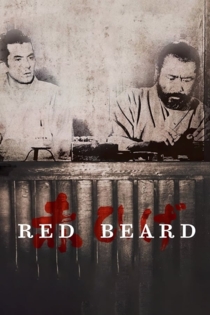
Red Beard
Akira Kurosawa
Toshirō Mifune, Yûzô Kayama
Aspiring to an easy job as personal physician to a wealthy family, Noboru Yasumoto is disappointed when his first post after medical school takes him to a small country clinic under the gruff doctor Red Beard. Yasumoto rebels in numerous ways, but Red Beard proves a wise and patient teacher. He gradually introduces his student to the unglamorous side of the profession, ultimately assigning him to care for a prostitute rescued from a local brothel.
Red Beard
Arashi
Hiroshi Inagaki
Chishū Ryū, Kinuyo Tanaka
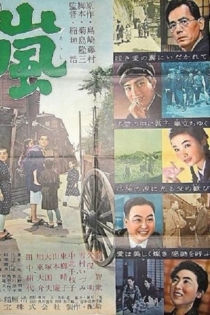
With one of the busiest film industries in the world, Japan was able to submit several films into competition at the 1957 Berlin Film Festival. One of the best of these was Arashi, directed by Hiroshi Inagaki of Rickshaw Man fame. Anticipating Hollywood's Table for Five by nearly a quarter of a century, the film concerns the efforts by a recently widowed high-school teacher to raise his four children alone. Chihu Ryu is terrific as the central character, while Izumi Yukimura is even better as Ryu's eldest daughter. For reasons unknown, Arashi is often omitted from "official" lists of Inagaki's films.
The Storm
Ugetsu
Kenji Mizoguchi
Machiko Kyō, Mitsuko Mito
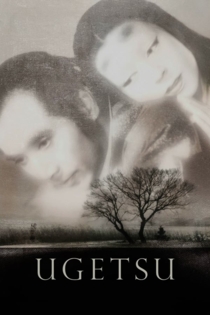
In 16th century Japan, peasants Genjuro and Tobei sell their earthenware pots to a group of soldiers in a nearby village, in defiance of a local sage's warning against seeking to profit from warfare. Genjuro's pursuit of both riches and the mysterious Lady Wakasa, as well as Tobei's desire to become a samurai, run the risk of destroying both themselves and their wives, Miyagi and Ohama.
Ugetsu
楢山節考
Keisuke Kinoshita
Kinuyo Tanaka, Teiji Takahashi
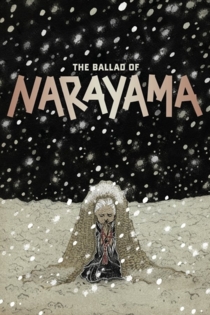
In Kabuki style, the film tells the story of a remote mountain village where the scarcity of food leads to a voluntary but socially-enforced policy in which relatives carry 70-year-old family members up Narayama mountain to die. Granny Orin is approaching 70, content to embrace her fate. Her widowed son Tatsuhei cannot bear losing his mother, even as she arranges his marriage to a widow his age. Her grandson Kesa, who's girlfriend is pregnant, is selfishly happy to see Orin die. Around them, a family of thieves are dealt with severely, and an old man, past 70, whose son has cast him out, scrounges for food. Will Orin's loving and accepting spirit teach and ennoble her family?
The Ballad of Narayama
乳房よ永遠なれ
Kinuyo Tanaka
Yumeji Tsukioka, Masayuki Mori
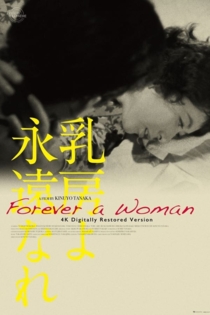
Fumiko, mother of two children and wife of an unfaithful man, shares her family life with her budding vocation as a poet. The beginning of her successful literary career coincides with her divorce and her breast cancer diagnosis. In the last stage of her life, she meets a young journalist from Tokyo who wants to write a story on her life.
Forever a Woman
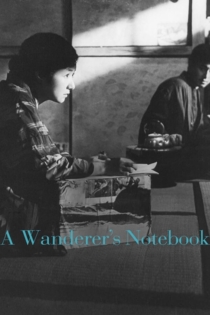
A Wanderer's Notebook
Mikio Naruse
Hideko Takamine, Akira Takarada
Considered one of the finest late Naruses and a model of film biography, A Wanderer’s Notebook features remarkable performances by Hideko Takamine – Phillip Lopate calls it “probably her greatest performance” – and Kinuyo Tanaka as mother and daughter living from hand to mouth in Twenties Tokyo. Based on the life and career of Fumiko Hayashi, the novelist whose work Naruse adapted to the screen several times, A Wanderer’s Notebook traces her bitter struggle for literary recognition in the first half of the twentieth century – her affairs with feckless men, the jobs she took to survive (peddler, waitress, bar maid), and her arduous, often humiliating attempts to get published in a male-dominated culture.
A Wanderer's Notebook