Nelson Makengo
1990 (36 лет)Nuit debout
Nelson Makengo
Although Nuit debout opens with a woman’s account deploring the shortage of electricity in Kinshasa, the direct nature of the invective is put at a distance by the way it is treated: the image that should accompany the voice is first absent, then tripled. The film seems to be the result of a mischievous prism that sometimes multiplies the image, sometimes associates it with others. By combining colourful shots bordering on the abstract with ambient sounds, the filmmaker proposes a personal variation on a documentary tradition: that of the urban symphony. The visual stream is as precarious as the electric current and it happens that darkness invites itself onto the screen without warning. The images echo each other or are sometimes attuned to create veritable triptychs.
Up at Night
E'ville
Nelson Makengo
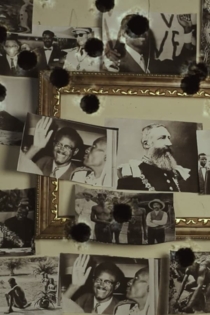
E’ville (short for Elisabethville, name given to the city of Lubumbashi before 1960). A film in layers, which superimposes musical atmospheres, sound archives, images and ghosts. A juxtaposition of images of an empty place with the weight of history, through an intimate story in off: an open letter from Lumumba to his wife. The desolation of the place unfolds under the impulse of the voices and the bodies which cross it. Combining family intimacy with history, the film immerses us in the collective memory of the country.
E'ville
Rising Up at Night
Nelson Makengo
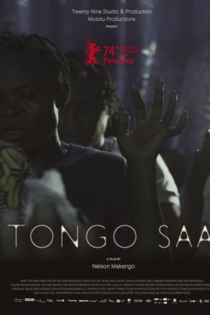
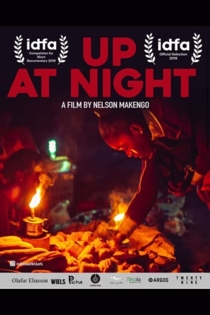
After an election that has shaken its already precarious political and economic stability, DR Congo is trying to revive its project to build Africa’s largest power plant on the Congo River. Kinshasa, the capital, remains in darkness while its population struggles for access to light. Rising Up at Night subtly portrays a population that is reinventing itself in spite of everything, in an environment plagued by the violence and beauty of Kinshasa’s nights and the uncertainty of the next day.
Rising Up at Night