
IP Yuk-Yiu
2021HTTP//ICT
IP Yuk-Yiu
HTTP//ICT is a creative documentation of the artist's web browsing of the homepage of the Institute for Creative Technologies (ICT) at the University of Southern California, one of the leading research centers of game and simulation technology for war training. Juxtaposing words on the ICT web page randomly, the artist transforms the webpage into a wild and dark playground for automatic writing, creating a sort of virtual cut-up poem for the new military-industrial-entertainment-media-academic complex as epitomized by ICT.
HTTP//ICT
WE WANT ANGEL
IP Yuk-Yiu
WE WANT ANGEL restages the final showdown of Sam Peckinpah’s Western classic THE WILD BUNCH (1969) as a loop of endless shootouts. Cutting and mapping images from the heroic finale in real-time with custom software, Peckinpah’s final shootout is transformed into a psychedelic orgy of fetishistic self-destruction that borders between the sublime and the mundane. The never-ending cycles of senseless killings mirror and unwind the obsessive-compulsive disorder of (male) destructive heroism/eroticism that haunts the history of narrative cinema.
WE WANT ANGEL
風景
IP Yuk-Yiu
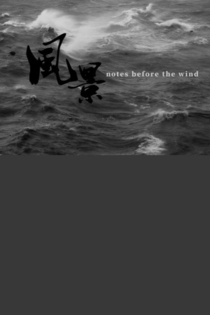
A loose collection of scenes in Hong Kong shot over a five-year period, this film begins with the Umbrella Movement in 2014 and ends right before the summer of 2019, when large-scale social unrest and violent resistance erupted. The everyday scenes capture the ambience and the landscape of change in the city, standing as a quiet prelude to the ensuing conflicts.
Notes before the Wind
九龍百哀圖
IP Yuk-Yiu
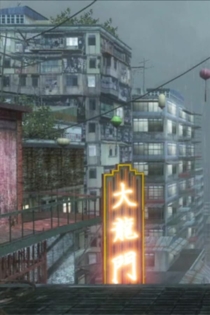
ANOTHER DAY OF DEPRESSION IN KOWLOON is a virtual study and a digital portrait of Hong Kong as seen through the lens of contemporary popular culture incarnated in the forms of video game and screen media. Using the map “KOWLOON” from the popular video game CALL OF DUTY: BLACK OPS (2010) as a field of study, the filmmaker conducted a yearlong virtual fieldwork: playing, observing and documenting “Hong Kong” as simulated in the video game world. ANOTHER turns the violent first-person shooter into a series of vacant, uncanny and yet meditative tableaux, unearthing a formal poetry that is often overlooked during the original gameplay. It combines methodologies from both the observational and assemblage film traditions in raising questions about cultural representations in contemporary popular media, while at the same time creating evocative metaphors for a post-colonial Hong Kong through the reworking of media materials.
Another Day of Depression in Kowloon
notes before the revolution
IP Yuk-Yiu
notes before the revolution is the first part of a film diary series postcards from Hong Kong. It documents the passing of the filmmaker’s father and the fateful historical changes of Hong Kong in the turmoil years of 1996-98. Personal and social events intertwined, destined to become parallel metaphors for each other. To record the personal is to make a testimony of time and space that is particular, lived as well as historical.
notes before the revolution

The Moon is Larger in Peking
IP Yuk-Yiu
THE MOON is a literal remake of the Hollywood blockbuster LOVE IS A MANY SPLENDORED THING (1955), starring Jennifer Jones and William Holden. Stripping the images and sound from the original film, the remake retains only the film dialogues in the form of subtitles, rendering the original romantic tale into a hollow and ghostly story. The film dialogues, taken out-of-context and dissociated from the original images, become an allegorical conversation about displacement, alienation and cultural representations.
The Moon is Larger in Peking
The Griffith Circle
IP Yuk-Yiu
Recycling a scene from a D.W. Griffith short, THE GRIFFITH CIRCLE explores the enigma of the cinematic space that dominated classical film practices for over a century. It turns a simple and often neglected act of screen direction into a playful meditation on spatial construction and a symbolic game of cinematic “hide and seek”.
The Griffith Circle
Panic Room
IP Yuk-Yiu
Shot over a three-month period, PANIC ROOM documents a small Tokyo apartment before and after the East Japan earthquake and the ensuing nuclear outbreak in 2011. The ordinary apartment, a seemingly uneventful domestic space, suddenly becomes a mirror of both a collapsing physical reality and a shaken personal state, creating an intertwining parallel between the external and the psychological that reflects the panicking times of the great catastrophe.
Panic Room